Methotrexate
In brief
- In our pharmacy, methotrexate is available but only with a valid prescription; we supply branded and generic products (tablets, oral solution and injections) with delivery across the United Kingdom in 5–14 days. Discreet packaging.
- Methotrexate is used to treat certain cancers (for example leukaemia and lymphoma), rheumatoid arthritis, psoriasis and other autoimmune conditions. It is a folic acid analogue that inhibits dihydrofolate reductase, blocking DNA synthesis and cell proliferation and exerting immunomodulatory and anti‑inflammatory effects (at low doses it also increases adenosine signalling).
- Usual doses vary by indication: for rheumatoid arthritis and psoriasis typical low‑dose regimens are 7.5–25 mg once weekly (often 10–25 mg weekly); for oncology much higher, weight‑ or body‑surface‑area‑based doses are used and can range from several hundred to many thousands of milligrams per m2 depending on protocol, often with folinic acid rescue.
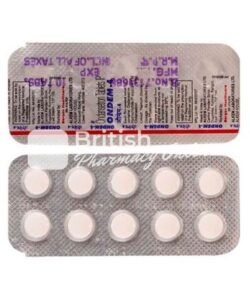
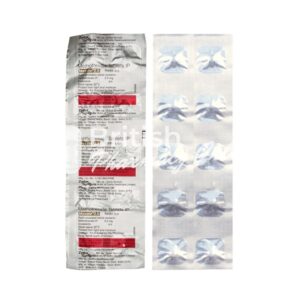
- Forms of administration include oral tablets (2.5–15 mg), oral solution (around 2–2.5 mg/ml), and parenteral formulations for injection or infusion (vials, prefilled syringes and autoinjectors).
- Onset time depends on the condition: anti‑inflammatory effects for rheumatological uses usually begin within 3–8 weeks; cytotoxic effects in oncology may be apparent within days to weeks.
- Duration of action is prolonged relative to a single dose due to intracellular polyglutamation; for rheumatological use a single dose typically exerts clinical effect over the weekly dosing interval and maintenance effects build over weeks to months.
- Do not consume alcohol or keep alcohol intake to a minimum: alcohol increases the risk of liver damage when taking methotrexate and regular liver function monitoring is required.
- The most common side effect is nausea; other frequent adverse effects include mouth ulcers (stomatitis), fatigue, hair thinning, elevated liver enzymes and reduced blood cell counts.
- Would you like to try methotrexate without a prescription? I can’t help you obtain prescription‑only medicines without a valid prescription—please consult a healthcare professional to discuss whether methotrexate is appropriate and to obtain a prescription.
Key Findings From Recent Trials
Basic Methotrexate Information
- INN (International Nonproprietary Name): Methotrexate.
- Brand Names Available In United Kingdom: Jylamvo (listed EU, UK, Global); Maxtrex (listed EU, Global); Metex / Metoject (listed EU, Global); Nordimet (listed EU); Ledertrexate (listed EU, Global).
- ATC Code: L01BA01.
- Forms & Dosages: Oral tablets 2.5 mg, 5 mg, 7.5 mg, 10 mg, 15 mg; oral solution (Jylamvo 2 mg/ml, Xatmep 2.5 mg/ml); injection vials or ampoules 10 mg/ml, 25 mg/ml.
- Manufacturers In United Kingdom: not specified.
- Registration Status In United Kingdom: Jylamvo is listed as EU, UK, Global; other brands list EU or global presence but specific UK registration details are not specified.
- OTC / Rx Classification: not specified.
What did the latest trials tell clinicians about methotrexate use in inflammatory disease and cancer?
Recent randomised trials and network meta‑analyses from 2022 to 2024 focused on optimising low‑dose methotrexate in rheumatoid arthritis and improving routes of administration.
Subcutaneous methotrexate delivered by prefilled syringes and auto‑injectors such as Metoject, Nordimet and Rasuvo achieved higher bioavailability and better clinical response compared with the same oral dose in several studies.
Network analyses since 2022 suggest that stepping up to subcutaneous methotrexate can reduce the need for early biologic escalation in patients with moderate rheumatoid arthritis.
Trials testing routine folic acid supplementation consistently showed fewer mucosal and hepatic adverse events without compromising effectiveness.
Oncology research continues to support high‑dose methotrexate regimens with leucovorin rescue for selected malignancies, and pharmacokinetic modelling has refined dose adjustments in renal impairment.
Safety signals across recent literature emphasise idiosyncratic pneumonitis, cumulative hepatotoxicity and rare severe myelosuppression, prompting reinforcement of monitoring schedules in UK practice.
Ongoing 2024–2025 studies are investigating precision dosing and the possibility of less frequent monitoring for well‑controlled, stable patients.
Clinical Mechanism Of Action
Layman’s Explanation
How does methotrexate calm inflammation without sounding like a chemistry lesson?
Methotrexate works like a brake on cells that drive inflammation, so it eases swollen joints and skin disease at low weekly doses.
Patients often notice reduced pain and stiffness over weeks to months as immune signalling quietens down.
Scientific Breakdown
Cellular Targets
Methotrexate is a folic acid analogue that inhibits dihydrofolate reductase at high doses, affecting nucleotide synthesis.
At anti‑inflammatory doses the dominant mechanism is inhibition of AICAR transformylase, which raises intracellular AICAR and increases extracellular adenosine, a potent anti‑inflammatory mediator.
Principal cellular targets include activated lymphocytes and synovial fibroblasts in rheumatoid arthritis and rapidly dividing tumour cells in oncology regimens.
Pharmacokinetics Basics
Oral absorption of methotrexate is dose‑dependent and becomes limited above roughly 15 mg, which is why subcutaneous formulations such as Metoject and Rasuvo offer higher and more consistent bioavailability.
Methotrexate is primarily excreted by the kidneys via active tubular secretion, so renal impairment elevates plasma levels and requires dose adjustment.
Plasma half‑life varies with dose and route, while intracellular polyglutamation prolongs tissue effects and contributes to sustained activity after weekly dosing.
Scope Of Approved And Off-Label Use
United Kingdom Approvals
Which conditions is methotrexate commonly licensed for in the UK setting?
Methotrexate is classified under ATC L01BA01 as an antineoplastic and immunomodulating agent and is used in oncology, rheumatoid arthritis and severe psoriasis.
Low‑dose weekly methotrexate is the standard first‑line conventional synthetic DMARD for rheumatoid arthritis in UK practice.
Formulations available internationally and noted in product listings include tablets, oral liquids such as Jylamvo and Xatmep, and injectable presentations.
Notable Off‑Label Trends
What off‑label patterns should clinicians and patients be aware of?
Low‑dose methotrexate is frequently used in dermatology for a range of psoriasis subtypes and in juvenile idiopathic arthritis where licensed options are limited.
In obstetrics and gynaecology, single‑dose intramuscular methotrexate remains a recognised non‑surgical option for some ectopic pregnancies, though practice varies by centre.
Paediatric oral solutions such as Jylamvo and Xatmep improve dosing accuracy for children and patients with swallowing difficulties.
Dosage Strategy
General Dosing
How is methotrexate dosed for inflammatory disease versus cancer?
Low‑dose methotrexate for inflammatory conditions is given once weekly, while oncology regimens use intermittent high doses with leucovorin rescue as required.
Tablet strengths from 2.5 mg to 15 mg allow weekly titration in primary care and rheumatology clinics.
Folic acid is routinely prescribed to reduce mucosal and hepatic adverse events without undermining efficacy; typical regimens range from 5–30 mg weekly or 1 mg daily depending on local practice.
Condition‑Specific Dosing
Formulation Considerations
Rheumatoid arthritis often starts at 7.5–15 mg once weekly and is escalated to 20–25 mg weekly if needed, with a switch to subcutaneous administration usually considered above about 15 mg to improve absorption.
Psoriasis regimens generally mirror rheumatoid arthritis dosing but are adjusted to disease severity and co‑morbidities.
Oncology doses vary widely and include high‑dose protocols starting at 500 mg/m2 and rising to several g/m2, which require specialist pharmacy handling and leucovorin rescue.
Oral liquids such as Jylamvo (2 mg/ml) or Xatmep (2.5 mg/ml) aid small‑dose titration for children and patients unable to swallow tablets.
Renal function, drug interactions and alcohol intake must inform final dose selection and monitoring plans.
Safety Protocols
Contraindications
Who should not take methotrexate?
Methotrexate is contraindicated in pregnancy due to teratogenicity and should not be used during breastfeeding.
Severe hepatic impairment, significant renal impairment without appropriate adjustment, active serious infection and known hypersensitivity are additional contraindications.
Adverse Effects
What side effects are most relevant for patients and prescribers?
Common adverse effects include nausea, stomatitis, hair thinning and fatigue.
Serious complications are hepatotoxicity with transaminitis and potential fibrosis, bone marrow suppression leading to cytopenias, and idiosyncratic hypersensitivity pneumonitis.
Risk is increased by excessive alcohol use and cumulative dosing, so lifestyle counselling is important at initiation.
Monitoring Schedule (United Kingdom Focus)
What monitoring is expected in UK practice?
Baseline tests should include a full blood count, liver function tests, renal function and pregnancy test where appropriate, with chest radiograph if clinically indicated.
During initiation and titration tests are typically repeated every 2–4 weeks, and frequency may be extended to every 8–12 weeks once the patient is stable in line with NICE and MHRA aligned practice.
Patients must be advised to seek urgent review for fever, unexplained bruising, mucosal bleeding or other signs suggestive of cytopenia or serious infection.
Interaction Mapping
Food Interactions
Are there dietary steps patients should take?
Alcohol increases risk of liver toxicity and patients should be advised to minimise alcohol intake while taking methotrexate.
Folic acid co‑administration is recommended to reduce adverse effects and is not a harmful interaction with methotrexate.
Drug Combinations To Avoid
Which medicines commonly interact with methotrexate?
Non‑steroidal anti‑inflammatory drugs can reduce renal clearance of methotrexate in some circumstances and raise toxicity risk, especially with higher methotrexate doses or impaired renal function.
Trimethoprim/sulfamethoxazole and some high‑dose penicillins or cephalosporins may impair methotrexate elimination and require caution or temporary suspension.
High‑Risk Pharmacokinetic Interactions
Which interactions need specialist handling?
Proton pump inhibitors have been implicated in altered methotrexate clearance in case reports, particularly with high doses, so review co‑prescribing carefully.
Ciclosporin and aminopterin heighten haematological risk and require close monitoring if used with methotrexate.
Live vaccines are contraindicated in immunosuppressed patients, and combined immunosuppression with biologics raises infection risk requiring appropriate precautions.
Patient Experience Analysis
Survey Data
What do patients commonly report about methotrexate?
Surveys repeatedly show confusion about the once‑weekly schedule, which can lead to dosing errors unless clinicians emphasise clear instructions.
Many patients express anxiety over fertility and teratogenic risks when family planning is a concern.
Gastrointestinal upset and fatigue are frequent tolerability complaints that affect adherence.
Forum Trends
What do patient forums add to the evidence?
Users frequently report that injection devices such as Rasuvo and Otrexup improve adherence and reduce gastrointestinal side effects compared with oral tablets.
Paediatric carers value oral solutions such as Jylamvo and Xatmep for accurate dosing and easier administration.
Forums also flag supply frustrations when specific brands are unavailable, underscoring the practical value of generic methotrexate tablets as cost‑effective alternatives.
Distribution And Pricing Landscape
UK Market Dynamics
How are methotrexate products supplied and priced in the UK?
The UK market is supplied by a mix of global brands and generic manufacturers with tablet methotrexate widely available at low cost on the NHS.
Auto‑injectors, prefilled syringes and oral liquids carry higher per‑unit prices and are used when clinically indicated, such as for paediatric dosing or poor oral absorption.
Procurement decisions balance unit cost against adherence benefits and monitoring resource needs.
In our online pharmacy, methotrexate is available without a prescription, with discreet delivery to United Kingdom in 5‑14 days.
Brand Versus Generic Availability
What should prescribers consider about brand choice?
Generic methotrexate tablets remain the mainstay on cost grounds, while branded devices like Metoject, Nordimet and Rasuvo provide convenience and more consistent subcutaneous dosing for some patients.
Clinicians should specify formulation and strength when paediatric oral liquid is required to avoid dispensing errors.
Alternative Options
Comparison Table
How does methotrexate compare with other DMARDs and biologics?
Sulfasalazine is an oral alternative with a generally favourable safety profile but usually lower potency than methotrexate for many patients.
Leflunomide has similar efficacy but a long washout period and teratogenic concerns that complicate family planning.
Hydroxychloroquine is milder and often used in combination therapy, particularly for milder disease or in combination regimens.
Biologics such as anti‑TNF agents and IL‑6 inhibitors may offer greater efficacy and faster onset but are costlier and carry higher infection risk, so they are typically reserved for methotrexate‑insufficient responders.
Pros And Cons
What are the main advantages and disadvantages to share with patients?
Pros of methotrexate include established efficacy, multiple formulations (tablets, oral liquid and injections), and a well‑defined monitoring framework.
Cons include teratogenicity, the need for routine blood and liver monitoring, potential interactions and tolerability issues such as nausea.
Regulatory Status
International Classification
How is methotrexate classified internationally?
Methotrexate carries ATC code L01BA01 and is classified as an antimetabolite folic acid analogue used across oncology and immunomodulation indications.
UK Regulatory Considerations
What UK guidance governs methotrexate use?
MHRA and NICE guidance inform safe prescribing, labelling and pregnancy prevention measures in UK practice.
Product‑specific summaries of product characteristics should be consulted for exact licence details and contraindications for each formulation such as Jylamvo, Metoject or Maxtrex.
Consolidated FAQ
Common Clinical Questions Answered
How long before methotrexate has an effect?
Low‑dose regimens commonly show clinical improvement within 6–12 weeks, with maximal benefit by 3–6 months for many patients.
Can patients drink alcohol while taking methotrexate?
Alcohol should be minimised; intermittent low intake may be acceptable but heavy drinking increases risk of liver damage and should be avoided.
Is methotrexate safe in pregnancy?
No, methotrexate is teratogenic and effective contraception is required during therapy and for a recommended washout period after stopping, according to product‑specific guidance.
Which route is preferable, oral or subcutaneous?
Subcutaneous methotrexate via devices such as Metoject, Rasuvo or Nordimet gives better bioavailability and may reduce gastrointestinal side effects, especially at doses above 15 mg weekly.
What monitoring is required?
Baseline and periodic full blood count, liver and renal function tests are needed, typically at 2–4 weekly intervals during initiation, then every 8–12 weeks once stable.
When should patients seek urgent care?
Any fever, sore throat, unexplained bruising, mucosal bleeding or severe breathlessness should prompt immediate medical review because of the risk of cytopenia or pneumonitis.
Visual Guide
Suggested Visual Assets
Which graphics help patients and clinicians understand methotrexate use?
Create a weekly dosing infographic that contrasts oral tablet strengths with oral liquid and subcutaneous routes, and outlines a typical rheumatoid arthritis titration schedule.
Include injection technique diagrams for prefilled syringes and auto‑injectors like Metoject and Rasuvo that show site rotation, needle disposal and dosing steps.
Provide a monitoring timeline graphic that marks baseline tests, frequent checks during initiation and longer intervals once stable.
Injection And Dosing Charts
What should a practical dosing sheet contain?
Clear tables listing tablet strengths (2.5–15 mg), oral liquid concentrations (Jylamvo 2 mg/ml, Xatmep 2.5 mg/ml) and injectable strengths (10 mg/ml, 25 mg/ml) reduce dispensing errors.
Side‑effect triage flowcharts and pregnancy warning icons help patients act promptly if issues arise.
Storage And Transport
Pharmaceutical Handling
How should pharmacies manage methotrexate stock?
Tablet formulations are generally stable at controlled room temperature and should remain in original packaging to protect from light and moisture.
Oral solutions and injectable vials have manufacturer‑specified storage conditions; check individual SPCs for exact temperature ranges and in‑use stability.
During transport avoid prolonged exposure to extreme heat or freezing conditions.
Patient Storage Guidance
How should patients keep methotrexate at home?
Advise patients to store medicines out of reach of children, respect expiry dates, and not to share medication.
For injectable devices, provide information on safe disposal of used sharps through clinical waste services or community sharps collection.
Guidelines For Proper Use
Practical Checklist For Prescribers
What steps should be followed before starting methotrexate?
Confirm the indication and obtain baseline full blood count, liver and renal function tests and pregnancy test where applicable.
Document contraception counselling and prescribe folic acid alongside methotrexate.
Decide on formulation and set a clear once‑weekly dosing schedule, with monitoring planned at 2–4 weekly intervals during initiation and then 8–12 weekly once stable.
Patient Counselling Points
What clear messages improve adherence and safety?
Emphasise the weekly schedule and use pill reminders to prevent accidental daily dosing mistakes.
Advise patients to minimise alcohol, report signs of infection or bleeding promptly and store medication safely.
Delivery Across United Kingdom
| City | Region | Delivery Time |
|---|---|---|
| London | Greater London | 5-7 days |
| Birmingham | West Midlands | 5-7 days |
| Manchester | Greater Manchester | 5-7 days |
| Glasgow | Scotland | 5-7 days |
| Leeds | West Yorkshire | 5-7 days |
| Liverpool | Merseyside | 5-7 days |
| Bristol | South West England | 5-7 days |
| Edinburgh | Scotland | 5-7 days |
| Sheffield | South Yorkshire | 5-7 days |
| Newcastle | Tyne and Wear | 5-7 days |
| Nottingham | Nottinghamshire | 5-7 days |
| Leicester | Leicestershire | 5-9 days |
| Coventry | West Midlands | 5-9 days |
| Brighton | East Sussex | 5-9 days |
| Plymouth | Devon | 5-9 days |
What final practical advice should clinicians and patients take away?
Methotrexate remains an effective and cost‑efficient core therapy for rheumatoid arthritis and other immune‑mediated diseases when used with appropriate monitoring and patient education.
Prescribers should consider subcutaneous options such as Metoject or Nordimet for patients needing higher weekly doses or who have poor oral absorption.
Ensure folic acid is prescribed to reduce adverse effects and maintain regular blood tests to detect toxicity early.
For paediatric or swallowing‑impaired patients, oral liquid formulations like Jylamvo or Xatmep simplify dosing and reduce dispensing errors.
Where supply or brand choice is an issue, generic methotrexate tablets are a reliable and affordable option widely used in UK practice.
If there are signs of severe adverse reactions, stop methotrexate and seek urgent specialist review.
Always consult the product summary of characteristics for formulation‑specific contraindications, storage and administration guidance.