
Ventolin Inhaler
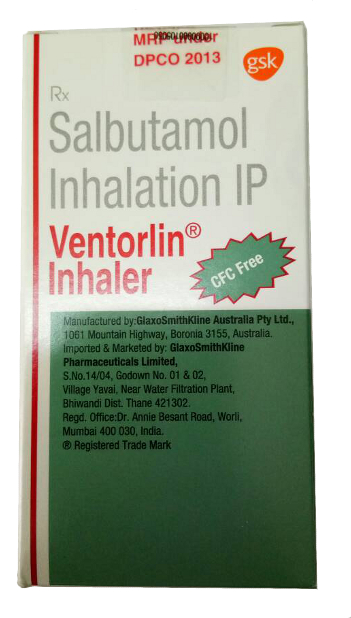
Ventolin Inhaler
- You can buy Ventolin inhaler from some pharmacies and online suppliers, and in many places it is prescription-only; however, in some pharmacies it may be available without a prescription or with pharmacist supply depending on local regulations.
- Ventolin inhaler is used for the relief and prevention of bronchospasm in asthma and COPD, including exercise-induced wheeze. Its active ingredient is salbutamol (albuterol), a short-acting beta-2 adrenoreceptor agonist that relaxes the airway muscles and opens the bronchi.
- The usual dose for adults and children aged 4 years and over is 2 inhalations (200 micrograms) as needed for relief, every 4 to 6 hours if required; for prevention of exercise-induced bronchospasm, 2 inhalations 15 to 30 minutes before exercise.
- The form of administration is an inhaler, usually a metered-dose inhaler (MDI) delivering 100 micrograms per actuation; it may also be available as nebuliser solution in some settings.
- Ventolin inhaler usually starts working within about 5 minutes.
- The duration of action is typically around 4 to 6 hours.
- Alcohol does not have a direct major interaction with Ventolin inhaler, but drinking heavily may worsen asthma control and can increase the risk of palpitations or dizziness; moderation is advised.
- The most common side effects are tremor, palpitations, headache, throat irritation, dry mouth, cough, and mild muscle cramps.
- Would you like to try Ventolin inhaler without a prescription?
Ventolin Inhaler
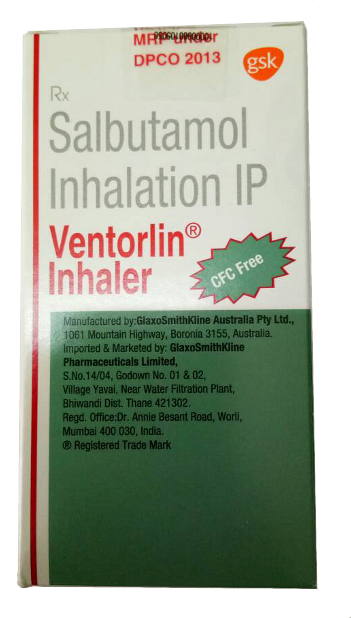
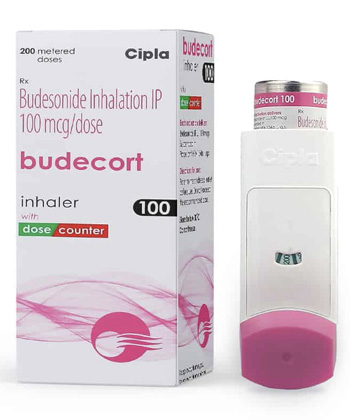
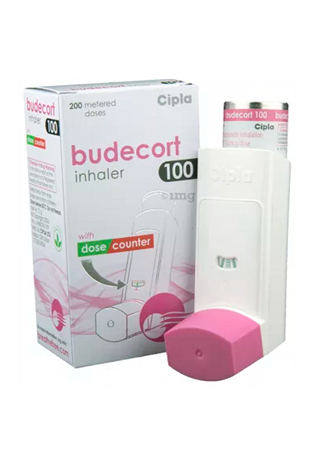
What The Evidence Shows About Ventolin Inhaler
Ever wondered why the blue inhaler is still the one people reach for first when breathing suddenly tightens up?
Recent trials from 2022 to 2025 have not changed the core message: salbutamol remains a fast, reliable bronchodilator for acute bronchospasm.
Across branded and generic salbutamol inhalers, the effect is broadly similar when the device is used correctly.
That is why the focus in UK guidance has shifted away from “which brand works best” and towards “how often is it being used”.
Frequent reliever inhaler use is consistently linked with poorer asthma control and a higher risk of flare-ups.
For many patients, that is the point where a GP or asthma nurse needs to review preventer treatment rather than just issuing more puffs.
Standard rescue dosing in adults and children aged 4 years and over is commonly 2 inhalations of 100 micrograms each, with relief usually starting within minutes.
The strongest evidence still supports use for acute asthma and COPD symptoms, plus prevention of exercise-induced bronchospasm.
Modern Ventolin Evohaler devices use HFA propellant rather than older CFC formulations, which helped reduce environmental impact.
Typical side effects remain tremor, palpitations, headache, throat irritation and mild tachycardia, while paradoxical bronchospasm remains rare but important.
If the rescue inhaler is being needed again and again, that is not a success story, but a warning sign that asthma control needs proper attention.
Basic Ventolin Inhaler Information
- INN (International Nonproprietary Name): Albuterol (also known internationally as Salbutamol)
- Brand Names Available In United Kingdom: Ventolin Evohaler
- ATC Code: R03AC02 — Adrenergics, inhalants (selective beta-2-adrenoreceptor agonists)
- Forms & Dosages: Metered Dose Inhaler, 100 micrograms per actuation, usually 200 puffs per inhaler; nebuliser solution, 1.25 mg, 2.5 mg or 2.5 mg/2.5 mL; tablets and syrup are rare
- Manufacturers In United Kingdom: GlaxoSmithKline (GSK) is the main global supplier/registrant; local and generic suppliers vary
- Registration Status In United Kingdom: MHRA approved as prescription-only
- OTC / Rx Classification: Prescription Only (Rx) in most countries
How Ventolin Works In The Airways
Have you ever felt your chest loosen within minutes of using a blue inhaler?
That quick change is exactly what Ventolin is designed to do.
Ventolin is a reliever inhaler, not a preventer, so it opens narrowed airways fast when breathing becomes wheezy, tight or short.
Its international name is albuterol, which is known in the UK as salbutamol.
It belongs to the selective beta-2 agonist group, with the ATC code R03AC02, and works by relaxing bronchial smooth muscle so air can move more freely.
In practical terms, that means less tightness, less wheeze and easier breathing during an asthma attack or another episode of bronchospasm.
The familiar UK format is the blue Ventolin Evohaler, usually supplied as 100 or 200 metered doses.
Each puff delivers 100 micrograms, so the dose is easy to count when a clinician says “two puffs now”.
More formal formats exist too, including nebuliser solution and rare oral forms, but the press-and-breathe MDI is the standard rescue option in everyday UK practice.
Where It Is Used And Where It Is Not
People often ask whether the Ventolin inhaler is only for asthma.
The answer is no, although asthma is the best-known use.
In the UK, this prescription only medicine is used mainly for acute asthma symptoms, COPD bronchospasm and prevention of exercise-induced bronchospasm.
It is approved as a reliever inhaler, not as stand-alone maintenance treatment.
That distinction matters because repeated daily need usually means the underlying inflammation is not being controlled well enough.
Some clinicians may use salbutamol nebuliser solution in supervised care when bronchospasm is more severe.
Oral tablets and syrup still exist, but they are rarely used in modern UK practice and are generally reserved for special circumstances.
If a patient is relying on the blue inhaler every day, the conversation should usually turn to inhaled corticosteroids and a proper asthma review.
In our online pharmacy, ventolin inhaler is available without a prescription, with discreet delivery to United Kingdom in 5-14 days.
How To Dose Ventolin Safely
What is the usual rescue dose when breathing starts to worsen?
For most UK-style use, the standard dose is 2 inhalations of 100 micrograms each.
That means 200 micrograms in total, taken every 4 to 6 hours as needed rather than on a fixed daily schedule.
For acute asthma or COPD bronchospasm, that dose is used for rapid relief.
For exercise-induced bronchospasm, the same 2 inhalations are usually taken 15 to 30 minutes before exercise.
Children aged 4 to 11 years generally use the same inhaler dose as adults, while younger children need specialist guidance.
Older adults usually take the adult dose too, but with extra attention to cardiac effects such as palpitations or tachycardia.
When a nebuliser is used in supervised care, dosing commonly falls in the 1.25 mg to 2.5 mg range depending on age and severity.
There is no real “missed dose” concept here, because the inhaler is taken when needed.
Daily or frequent use is not the goal; it is a clue that treatment needs review.
What Safety Checks Matter Most
Could this inhaler ever be wrong for someone?
Yes, although serious problems are uncommon when it is used properly.
The main absolute contraindication is allergy to salbutamol or albuterol, or to another component of the product.
Some inhaler formats may contain lactose, so severe lactose sensitivity can matter for selected products.
The most common side effects are throat irritation, dry mouth, cough, taste changes, muscle cramps and headache.
More noticeable effects can include tremor, palpitations, tachycardia, nausea and dizziness.
Rare paradoxical bronchospasm is important because it means breathing may worsen after use; that requires stopping the medicine and getting urgent help.
Extra caution is sensible in people with arrhythmias, hypertension, ischaemic heart disease, hyperthyroidism, seizure disorders and diabetes.
Pregnancy and breastfeeding are not automatic stop signs, but use should be based on benefit versus risk.
Chest pain, severe breathlessness after use, a racing pulse or suspected overdose should be treated as urgent.
What Can Interact With Salbutamol
Do food and drink affect the Ventolin inhaler?
Not in any major way that is routinely highlighted.
The bigger issue is whether it is being used alongside other medicines that affect heart rate or potassium levels.
Beta-blockers can blunt bronchodilator effects and need caution.
Other sympathomimetics may increase palpitations or tremor.
Diuretics can add to the risk of low potassium.
Tricyclic antidepressants and MAO inhibitors may also need careful consideration.
Thyroid medicines can matter in some cases because they may increase sensitivity to stimulant effects.
People with diabetes should be aware that salbutamol can sometimes affect glucose control.
When several reliever doses are needed alongside other treatment, asthma control should be reviewed promptly rather than simply increasing use.
What Patients Say About The Blue Inhaler
Why is the blue inhaler so familiar to UK patients?
Because it is often the first asthma medicine people learn to recognise by colour alone.
Fast relief within minutes is the benefit users talk about most often, especially when wheeze or chest tightness is making everyday tasks difficult.
Forum discussions commonly focus on the taste of the spray, a dry throat, and the need to get hand-and-breath coordination right.
Parents also ask whether a spacer will help, and in many cases it does, especially for children or anyone who struggles with timing.
Searches such as Ventolin inhaler for asthma, rescue inhaler for wheezing and Ventolin dosage for adults are common because patients want simple, practical answers.
Brand familiarity matters too, with Ventolin, Ventolin Evohaler, Airomir, Salamol and generic salbutamol often compared by people looking for the same reliever effect.
One familiar patient comment is that needing the blue inhaler more and more often feels like something is not right, and that is exactly why review is recommended.
From a pharmacy point of view, that instinct is usually correct.
How Ventolin Sits In The UK Market
What does access look like in practice?
Ventolin Evohaler is widely recognised, but generic salbutamol inhalers are also commonly used across the UK.
Main global supply is associated with GSK, while local suppliers and generic manufacturers vary by country.
Because this medicine is prescription only in the UK, routine access usually comes through a GP, pharmacist or repeat prescription pathway.
Price will depend on NHS prescription rules, private prescribing and stock availability.
Most inhalers come with 100 or 200 metered doses, so the packaging is simple to understand once people know what to look for.
Blue inhalers remain high-volume products because they are essential rescue medicines.
HFA propellant replaced the older CFC format to comply with environmental rules.
Supply can differ between England, Scotland, Wales and Northern Ireland, especially for branded versus generic stock.
That is why some patients are offered a generic salbutamol inhaler rather than the Ventolin brand, even though the rescue effect is similar.
What The Main Alternatives Look Like
Are there good alternatives if Ventolin is unavailable or not the best fit?
Yes, but the right choice depends on whether the goal is quick relief or prevention.
Airomir, Salamol and generic salbutamol inhalers are all similar reliever options and are often used at lower cost.
Nebuliser solution can be useful in supervised or more severe cases, although it is less portable and more resource intensive.
Controller inhalers are different altogether, because inhaled corticosteroids do not give instant relief but are essential for prevention.
Ventolin is a strong choice because it has a long evidence base, is widely recognised and works quickly.
Generic salbutamol is usually equivalent for rescue use, though the device feel can differ.
Oral tablets and syrup are now uncommon in UK practice and are not preferred for routine rescue treatment.
If symptom relief is needed quickly and repeatedly, the answer is usually not “more reliever forever”, but “review the treatment plan”.
How The Medicine Is Regulated
Is Ventolin approved in the UK?
Yes, and it is regulated as a prescription-only medicine under MHRA oversight.
The international nonproprietary name is albuterol, also known as salbutamol, and its ATC code is R03AC02.
In the EU, approval details are handled through national agencies, while in the United States Ventolin HFA is approved as a prescription drug.
Romania publicly lists Ventolin through ANMDMR for import and reimbursement pathways.
Those national differences mainly affect packaging and local availability rather than the basic medicine itself.
Ventolin Evohaler remains a standard branded product, although procurement and generic substitution can change what is stocked locally.
Patients should always follow the patient information leaflet for the exact device in hand, because dose counters and packaging can vary.
For pharmacy buyers, the practical point is simple: check the specific inhaler format, not just the brand name.
Common Questions About Ventolin
What is Ventolin used for?
It is a rescue inhaler for asthma, COPD bronchospasm and exercise-induced symptoms.
How fast does it work?
Usually within minutes.
Is Ventolin the same as salbutamol?
Ventolin is the brand name, while salbutamol is the INN; in the US, the equivalent term is albuterol.
Can children use it?
Yes, typically from age 4 years for the inhaler, with medical guidance.
Can I use it every day?
Daily or frequent use suggests poor control and needs clinical review.
Does it replace a steroid inhaler?
No, because it does not treat airway inflammation.
What if too much is taken?
Emergency help is needed if there is significant tremor, palpitations, chest symptoms or suspected overdose.
Those are the questions pharmacists hear most often, and they are the right ones to ask.
What The Inhaler Looks Like
How do you recognise the device in the hand?
In the UK, Ventolin Evohaler is usually a blue inhaler with a press-and-breathe design.
It commonly comes with 100 or 200 metered doses.
One actuation delivers 100 micrograms of salbutamol, so 2 puffs equal 200 micrograms.
The mouthpiece should be checked for cleanliness, and the canister should sit correctly in the device.
Some inhalers need shaking before use, depending on the leaflet instructions.
If the inhaler is new or has not been used for a while, it may need priming according to the product information.
A spacer can help with delivery, especially for children or poor coordination.
That simple blue device is easy to underestimate, but it remains one of the most important quick-relief asthma medicines in UK homes.
How To Store And Carry It
Does a Ventolin inhaler need special storage?
Not really, but a few basic rules matter.
Room temperature is best, and heat above 25 to 30 degrees Celsius should be avoided.
It should not be frozen or left in direct sunlight.
Because the canister is under pressure, it must not be punctured or incinerated.
In real life, many patients keep the reliever inhaler in a bag or coat pocket rather than leaving it at home.
That makes sense, especially when symptoms can flare on the train, at work or during exercise.
Expiry dates should be checked regularly, and the canister condition should be watched too.
If the dose counter is low or the inhaler no longer sprays properly, replacement should be arranged promptly.
Travel is easier when the inhaler is kept close, but protected from heat.
How To Use It Properly
What is the best way to use a Ventolin inhaler?
- Remove the cap and inspect the mouthpiece.
- Shake the inhaler if the leaflet says to do so.
- Breathe out gently.
- Put the mouthpiece between the lips.
- Press the canister once while breathing in slowly and deeply.
- Hold the breath for around 10 seconds if possible.
- Wait before taking a second puff if the dose prescribed requires it.
A spacer can improve delivery and reduce coordination problems.
Rinsing the mouth may be advised if several inhaled medicines are being used.
It also helps to keep track of how often the reliever is needed.
More frequent use is a sign to review asthma management, not a sign of good control.
If symptoms do not improve, or if they worsen after use, medical help should be sought.
The main practical message is simple: the blue inhaler supports long-term asthma care, but it does not replace it.
Delivery Across United Kingdom
| City | Region | Delivery time |
|---|---|---|
| London | England | 5-7 days |
| Birmingham | England | 5-7 days |
| Manchester | England | 5-7 days |
| Leeds | England | 5-7 days |
| Liverpool | England | 5-7 days |
| Sheffield | England | 5-7 days |
| Bristol | England | 5-7 days |
| Edinburgh | Scotland | 5-7 days |
| Glasgow | Scotland | 5-7 days |
| Cardiff | Wales | 5-7 days |
| Belfast | Northern Ireland | 5-7 days |
| Nottingham | England | 5-9 days |
| Newcastle upon Tyne | England | 5-9 days |
| Aberdeen | Scotland | 5-9 days |
| Exeter | England | 5-9 days |