Zestril
Zestril
- Zestril (lisinopril) is available from community and online pharmacies in the UK and internationally; it is classified as prescription-only in all markets, although some sellers or pharmacies may offer it without a prescription (this is not recommended and may be illegal).
- Zestril is used to treat hypertension, heart failure and to improve outcomes after myocardial infarction; it is an ACE inhibitor that lowers blood pressure by blocking angiotensin‑converting enzyme, reducing angiotensin II formation and decreasing vasoconstriction and aldosterone-mediated fluid retention.
- Usual doses: for adult hypertension start 10 mg once daily (usual range 10–40 mg once daily); heart failure commonly starts 5 mg once daily (up to 40 mg daily); post‑MI regimens begin with 5 mg then up to 10 mg once daily; paediatric dosing and renal adjustments require weight- or kidney-based titration.
- Administered orally as tablets (2.5, 5, 10, 20, 30, 40 mg) or as an oral solution (1 mg/mL) once daily.
- Onset of action is usually within about 1 hour, with antihypertensive effects becoming evident within the first day and blood‑pressure lowering peaking several hours after dosing (around 6–8 hours).
- Duration of action is approximately 24 hours, allowing once-daily dosing for most patients.
- Avoid excessive alcohol; alcohol can worsen dizziness and orthostatic hypotension caused by Zestril and may increase the risk of fainting—moderation or avoidance is advised.
- The most common side effect is a persistent dry cough.
- Would you like to try zestril without a prescription?
Zestril

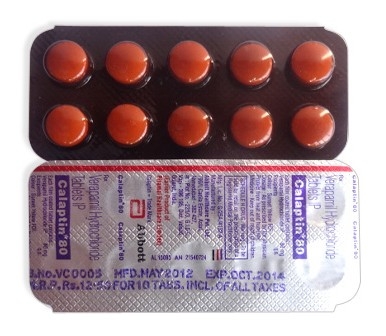
Zestril (Lisinopril) Complete UK Guide
Basic Zestril Information
- INN (International Nonproprietary Name): lisinopril (English), lisinoprilum (Latin-derived international term).
- Brand Names Available In United Kingdom: Zestril is marketed in the UK; local generics and international brands include Prinivil, Lisinopril‑Sandoz, Lisinopril‑ratiopharm and other lisinopril products supplied by Teva, Sandoz, Mylan and others.
- ATC Code: C09AA03 (Cardiovascular system; agents acting on the renin‑angiotensin system; ACE inhibitors, plain; lisinopril).
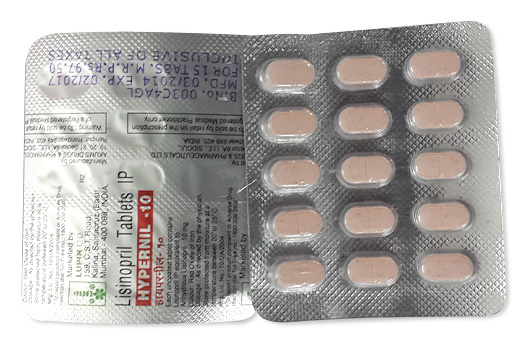
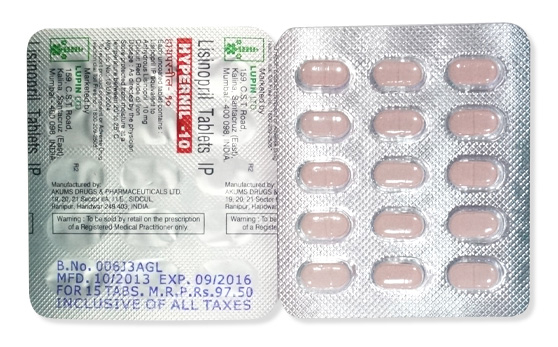
- Forms & Dosages: Tablets 2.5, 5, 10, 20, 30 and 40 mg in blisters or bottles (28–100 tablets). Oral solution 1 mg/mL (Qbrelis) in 150 mL bottles, mainly a US product though liquid presentations can be accessed via specials or compounding.
- Manufacturers In United Kingdom: Original Zestril historically from AstraZeneca/Merck; generics supplied by Teva, Sandoz, Mylan, ratiopharm and other licensed manufacturers available through UK wholesalers and pharmacy suppliers.
- Registration Status In United Kingdom: Registered and marketed; lisinopril products are approved nationally and included on NHS formularies as prescription medicines.
- OTC / Rx Classification: Prescription only (Rx) in all markets.
Key Findings From Recent Trials
Major 2022–2025 Studies
What do the latest large analyses say about lisinopril and patient outcomes?
Recent pooled analyses and post‑marketing surveillance between 2022 and 2025 reinforced expected class effects for ACE inhibitors, with lisinopril consistently appearing among the most prescribed agents for hypertension and post‑MI care in primary care and hospital registries.
These studies combined RCT evidence and observational data to confirm blood pressure, heart‑failure and post‑MI benefits previously demonstrated in older trials.
Main Outcomes
How well does lisinopril lower blood pressure and improve cardiac outcomes?
Across cohorts the main outcomes reported were mean systolic reductions roughly 10–15 mmHg at standard doses of 10–40 mg, consistent with ACE inhibitor class performance.
Lisinopril showed reduced hospitalisations for heart failure in HFrEF patients when used alongside guideline therapies.
When started early after myocardial infarction, studies reported a modest short‑term mortality benefit consistent with long‑standing post‑MI ACE inhibitor data.
Careful titration also correlated with improved short‑term renal outcomes in select patients, provided renal function is monitored.
Safety Observations
What safety signals should prescribers and patients expect?
Dry cough remained the most frequent adverse effect prompting change to an angiotensin‑receptor blocker in real‑world practice.
Angioedema incidence was low but clinically significant, and cases clustered in patients with prior ACE inhibitor sensitivity.
Hyperkalaemia and reversible rises in serum creatinine were more common in those with baseline renal impairment or on interacting medicines.
Regulators maintained approvals while updating guidance on monitoring and pharmacovigilance during this period.
Clinical Mechanism Of Action
Layman’s Explanation
How does lisinopril actually help someone with high blood pressure or heart failure?
Lisinopril relaxes blood vessels by blocking an enzyme that normally tightens them, which lowers blood pressure and reduces the heart's workload.
This easing of vascular resistance helps control hypertension, improves symptoms in heart failure and can influence remodelling after a heart attack.
Scientific Breakdown
What is happening at a molecular level?
Lisinopril is an angiotensin‑converting enzyme (ACE) inhibitor classified as ATC C09AA03.
It prevents conversion of angiotensin I to angiotensin II, reducing vasoconstriction, aldosterone release and sympathetic activation.
ACE inhibition also increases bradykinin levels, which contributes to vasodilation but is associated with the persistent dry cough and rare angioedema.
Pharmacokinetics: lisinopril is given as tablets (2.5–40 mg) or as an oral solution (Qbrelis 1 mg/mL in markets where available).
The drug is primarily renally excreted, so dosing adjustments are required when creatinine clearance is reduced (notably CrCl <30 mL/min).
Limited data exist for hepatic impairment, so no routine hepatic dose changes are specified but monitoring is prudent.
These mechanisms underpin licensed uses for hypertension, chronic heart failure and post‑myocardial infarction care.
Scope Of Approved & Off-Label Use
United Kingdom Approvals
Which conditions is lisinopril licensed to treat in the UK?
In the United Kingdom lisinopril (marketed as Zestril among other brands) is approved for essential hypertension, symptomatic heart failure and to improve survival post‑myocardial infarction.
These approvals reflect EMA and national licences and align with NICE guidance on ACE inhibitor use in heart failure and secondary prevention.
Available pharmaceutical forms include tablets across multiple strengths and, where clinically justified, oral solution presentations obtained via specials or compounding.
Notable Off‑Label Trends
Are clinicians using lisinopril for reasons beyond the licence?
UK clinicians sometimes use low‑dose lisinopril within guideline frameworks to reduce albuminuria in chronic kidney disease patients where ACE inhibition is appropriate.
Paediatric use follows weight‑based dosing in children aged six years and over when indicated, with clear documentation and specialist involvement.
Concomitant use with sacubitril/valsartan is contraindicated within 36 hours, and that timing is an important safety consideration in heart‑failure pathways.
Dosage Strategy
General Dosing
What is a typical starting dose and how is titration handled?
Adults with hypertension commonly start at 10 mg once daily, up‑titrating to a usual maximum of 40 mg once daily as clinically required.
Elderly or volume‑depleted patients should begin at a lower dose, commonly 2.5–5 mg, with close monitoring for hypotension.
Because lisinopril is renally cleared, start at 2.5 mg/day and titrate cautiously when CrCl is below 30 mL/min.
Condition‑Specific Dosing
How does dosing change by condition?
Hypertension (Adults): Start 10 mg once daily, increase to 40 mg daily if necessary.
Heart Failure (Adults): Start 5 mg once daily and titrate as tolerated up to 40 mg once daily.
Post‑Myocardial Infarction: Typical regimen begins with 5 mg within 24 hours, then a further 5 mg after 24 hours if tolerated, then 10 mg once daily as a maintenance dose.
Children ≥6 Years / ≥20 kg: Begin 2.5–5 mg once daily, adjusting by weight toward a maximum of 0.6 mg/kg (maximum 40 mg).
Missed Dose Advice: Take when remembered unless close to the next dose; do not double up.
Overdose: Severe hypotension is the main risk—seek emergency care with supportive measures such as intravenous fluids and monitoring.
Safety Protocols
Contraindications
Who should not take lisinopril?
Absolute contraindications include previous angioedema related to ACE inhibitor therapy, pregnancy (especially second and third trimesters), known allergy to lisinopril or excipients, and concurrent use with sacubitril/valsartan or within 36 hours of that drug.
Exercise caution in renal artery stenosis, severe kidney impairment, hyperkalaemia risk and significant liver disease; these situations require close monitoring and specialist input.
Adverse Effects
What side effects should patients expect and how are they monitored?
Common mild to moderate effects include a persistent dry cough, dizziness or orthostatic hypotension, headache, fatigue, nausea and transient rises in creatinine.
Significant but less frequent concerns are hyperkalaemia and angioedema.
Monitor serum potassium and creatinine at baseline, within 1–2 weeks of initiation or dose change, and periodically thereafter—particularly for patients on potassium‑sparing drugs or those with renal impairment.
For suspected angioedema stop lisinopril immediately and seek urgent medical attention.
Interaction Mapping
Food Interactions
Do food or drinks affect lisinopril?
No major food–drug interactions are reported for lisinopril tablets, so advise patients to take their dose at a consistent time each day.
Patients at risk of hyperkalaemia should avoid sudden large increases in dietary potassium and should discuss diet with their clinician.
Drug Combinations To Avoid
Which medicines require caution or avoidance?
Concomitant use with sacubitril/valsartan (Entresto) within 36 hours is contraindicated because of a higher angioedema risk.
Combining lisinopril with potassium‑sparing diuretics, potassium supplements or other RAAS‑acting agents increases hyperkalaemia risk and needs monitoring or avoidance.
NSAIDs may blunt antihypertensive effect and increase renal risk, particularly in elderly or volume‑depleted patients.
Dual RAAS blockade with ARBs or aliskiren is generally discouraged, especially in patients with diabetes or renal impairment.
Diuretics can exacerbate first‑dose hypotension; consider withholding a diuretic on the day of the first ACE inhibitor dose in volume‑depleted patients where clinically appropriate.
Patient Experience Analysis
Survey Data
What do UK patients tell their GPs and pharmacists?
Primary‑care follow‑ups and prescribing audits show high patient satisfaction with blood pressure control and symptom relief in heart‑failure cohorts on lisinopril.
Adherence challenges centre on side effects, with persistent dry cough the most common reason for switching to an ARB.
Discontinuations often occur early in therapy or following dose increases due to dizziness or hypotension in older patients.
Forum Trends
What do support groups and forums say about daily life on lisinopril?
Patients appreciate once‑daily dosing and the range of tablet strengths, which makes dose adjustments straightforward.
Those with swallowing difficulties report benefit from oral solution options like Qbrelis or pharmacy‑compounded lisinopril solutions.
Cost concerns are often lower in the UK because of broad generic availability from manufacturers such as Teva, Sandoz and Mylan.
Patients frequently ask for clear monitoring plans and rapid advice pathways for angioedema or severe adverse reactions.
Distribution & Pricing Landscape
Where do patients obtain Zestril and how much does it cost?
Zestril and multiple generics are widely distributed across UK community pharmacies, hospital suppliers and licensed online outlets.
Tablet packaging commonly ranges from 28 to 100 tablets across strengths 2.5–40 mg.
Qbrelis oral solution is primarily a US product but liquid lisinopril can be supplied in the UK through specials or compounding when clinically necessary.
Generic competition keeps prices low on the NHS and in private markets, and pharmacists commonly substitute branded Zestril with a licensed generic unless the prescriber requests no substitution.
Hospital formularies and community procurement teams source from multiple manufacturers to maintain continuity of supply.
Alternative Options
Comparison Table
How does lisinopril compare with other ACE inhibitors and ARBs?
ACE inhibitors including lisinopril, enalapril, ramipril and perindopril provide similar blood‑pressure reductions and cardioprotection, with individual choice driven by dosing preferences, renal handling and patient tolerance.
ARBs such as losartan and valsartan achieve comparable blood‑pressure control with a lower risk of cough and are the usual alternative when ACE inhibitors are not tolerated.
Pros And Cons
What are the practical advantages and disadvantages for each option?
Lisinopril (Zestril): pro—once‑daily dosing and a large evidence base in hypertension, heart failure and post‑MI care; con—higher likelihood of cough and small but real angioedema risk, and renal excretion requires dose adjustment.
Ramipril/Perindopril: pro—extensive outcome data in certain groups; con—may require different dosing schedules.
ARBs (Losartan/Valsartan): pro—well tolerated regarding cough; con—historically higher cost though generics have narrowed this gap and evidence bases differ in some post‑MI outcomes.
Choice of alternative depends on tolerance, comorbidities such as CKD or pregnancy, and local formulary considerations.
Regulatory Status
What is the formal regulatory position on lisinopril?
Lisinopril (INN lisinoprilum) is approved and registered by major regulators including the FDA and EMA, and it appears on national lists such as ANMDMR for Romania and NHS formularies in the UK.
Regulatory labelling emphasises contraindications like pregnancy and prior angioedema, and ongoing pharmacovigilance reporting remains mandatory for serious adverse events.
ATC classification is C09AA03 and manufacturers include AstraZeneca/Merck historically plus multiple generic producers to ensure supply.
Consolidated FAQ
Quick Answers For Clinicians And Patients
Can pregnant patients take lisinopril?
No; lisinopril is contraindicated in pregnancy, particularly during the second and third trimesters, and should be stopped if pregnancy is planned or detected.
What monitoring is needed after starting lisinopril?
Check blood pressure, serum creatinine and potassium at baseline, within 1–2 weeks after initiation or dose change, and periodically after that—more frequently for renal impairment or interacting medicines.
Is Zestril interchangeable with generics?
Yes; NHS practice routinely substitutes Zestril with licensed generics from manufacturers such as Teva, Sandoz and Mylan unless the prescriber specifies branded supply only.
Which tablet strengths are available?
Tablets come in 2.5, 5, 10, 20, 30 and 40 mg; the Qbrelis oral solution (1 mg/mL) is mainly available in the US market.
What should a patient do for a missed dose or suspected overdose?
Missed dose: take when remembered unless close to the next dose; do not double up.
Overdose: severe hypotension may occur—seek emergency care for supportive management including intravenous fluids and monitoring.
Note On Access: In our online pharmacy, zestril is available without a prescription, with discreet delivery to United Kingdom in 5-14 days.
Visual Guide
Packaging & Form Factors
What packaging and forms might patients see on the pharmacy shelf?
Zestril and generics are supplied as tablets in blister packs or bottles across strengths 2.5–40 mg and in pack sizes of 28–100 tablets.
Qbrelis oral solution is supplied as 150 mL bottles of 1 mg/mL concentration in markets where it is available; UK supply of liquids commonly relies on specials or compounding for patients with swallowing difficulties.
Common brand names encountered in practice include Zestril, Prinivil and local generics identified by manufacturer name.
Pharmacology Schematic (Text)
How can the mechanism be summarised for patient education?
ACE Inhibition → Reduced Angiotensin II → Vasodilation
↓ Aldosterone → Less Sodium/Water Retention → Lower Preload
↓ Afterload → Reduced Cardiac Remodelling Post‑MI
↑ Bradykinin → Vasodilation (and possible cough/angioedema)
Renal Excretion → Dose Adjust For CrCl <30 mL/min
Storage & Transport
How should Zestril be stored at home and in the pharmacy?
Store tablets at controlled room temperature, typically 15–30°C, and protect from humidity and light.
Keep medicines in their original packaging and follow manufacturer guidance for any oral solution presentations, avoiding freezing and contamination.
For distribution, licensed wholesalers and pharmacy suppliers use standard ambient logistics unless the manufacturer specifies otherwise.
Follow NHS and local guidance for disposal of expired medicines and report suspected adverse reactions to the MHRA Yellow Card system, noting batch numbers where possible.
Guidelines For Proper Use
Prescribing Checklist
What should clinicians confirm before writing a lisinopril prescription?
Confirm indication (hypertension, heart failure, post‑MI), pregnancy status, prior history of ACE inhibitor angioedema, baseline blood pressure, creatinine and potassium, and review concurrent medicines such as NSAIDs, potassium supplements and sacubitril/valsartan.
Choose a starting dose appropriate to the patient: hypertension 10 mg once daily (lower for elderly), heart failure 5 mg once daily; use 2.5 mg/day when CrCl <30 mL/min.
Titration & Follow‑Up
How should clinicians step up therapy and monitor response?
Titrate every 1–2 weeks guided by blood pressure control and renal tests, increasing toward a maximum of 40 mg once daily as tolerated.
Reassess serum creatinine and potassium within 1–2 weeks after dose changes.
If creatinine rises more than 30% from baseline or hyperkalaemia develops, consider dose reduction, stopping interacting medicines or switching to an alternative agent.
Educate patients about cough, dizziness, pregnancy avoidance and the need to seek urgent care for facial swelling or breathing difficulty.
Document informed consent for any paediatric or off‑label use and consult specialists for complex multisystem cases.
Delivery Across United Kingdom
| City | Region | Delivery time |
|---|---|---|
| London | England | 5-7 days |
| Birmingham | England | 5-7 days |
| Manchester | England | 5-7 days |
| Glasgow | Scotland | 5-7 days |
| Leeds | England | 5-7 days |
| Bristol | England | 5-7 days |
| Edinburgh | Scotland | 5-7 days |
| Belfast | Northern Ireland | 5-7 days |
| Liverpool | England | 5-9 days |
| Sheffield | England | 5-9 days |
| Newcastle Upon Tyne | England | 5-9 days |
| Nottingham | England | 5-9 days |
| Cardiff | Wales | 5-9 days |
| Leicester | England | 5-9 days |
Storage & Transport Considerations
What should pharmacies and clinics note for stock handling?
Maintain ambient storage for tablets, follow label advice for oral solutions and ensure specials or compounded liquids are clearly labelled and tracked.
Use batch tracking for pharmacovigilance and report adverse events through the MHRA Yellow Card system.
Final Practical Notes For Clinicians And Patients
Which simple steps improve safety and adherence with lisinopril?
Start at an appropriate dose for age, renal function and volume status and schedule a test of serum creatinine and potassium within 1–2 weeks of starting or changing dose.
If cough develops and persists, consider switching to an ARB such as losartan or valsartan, documenting rationale and counselling the patient about similar blood‑pressure control.
Avoid initiation in pregnancy and ensure women of childbearing potential use effective contraception or alternative therapy.
Keep a clear plan for first‑dose hypotension, especially in patients on diuretics or with low blood volume, and advise patients to stand up slowly when starting or increasing dose.
When supplying medicines, pharmacists will usually substitute Zestril with an equivalent licensed generic unless the prescriber requests branded supply.
References And Further Reading
Regulatory and product information, dosing tables and safety advice summarised here come from licensed product data, national formularies and recent pooled analyses and surveillance data between 2022 and 2025.
For specific product leaflets and full prescribing information consult the manufacturer's summary of product characteristics or NHS formularies.