
Chloromycetin
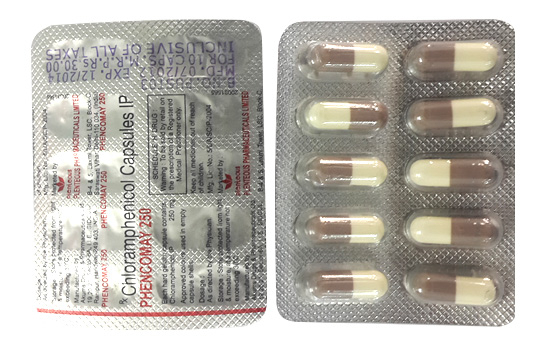
Chloromycetin
- In pharmacy settings, chloromycetin may be obtainable without a prescription in some jurisdictions, but it is officially a prescription-only medicine in most countries, including the UK, USA and Canada. Availability depends on local law and the specific product form.
- Chloromycetin (chloramphenicol) is used for serious bacterial infections when other antibiotics are unsuitable, and commonly for bacterial eye infections such as conjunctivitis. It works by inhibiting bacterial protein synthesis at the 50S ribosomal subunit, stopping bacteria from growing.
- The usual dose depends on the indication: for severe systemic infections in adults it is about 50 mg/kg/day in divided doses; children may need 50–100 mg/kg/day under specialist supervision. For eye infections, ointment is typically applied 2–4 times daily.
- The form of administration includes oral capsules, oral suspension, powder for injection, eye drops, eye ointment, and topical cream.
- Chloromycetin usually starts working within a few hours, although improvement in infection symptoms may take 1–3 days depending on the site and severity of infection.
- The duration of action varies by formulation: eye preparations are used for about 5–7 days, while systemic treatment is usually 7–14 days or as directed by a clinician.
- Alcohol should generally be avoided or limited during treatment, as it may worsen side effects such as nausea and can be unhelpful when your body is fighting a serious infection.
- The most common side effects are nausea, vomiting, diarrhoea, and mild allergic reactions; more serious risks include bone marrow suppression, aplastic anaemia, and in infants, grey baby syndrome.
- Would you like to try chloromycetin without a prescription?
Chloromycetin

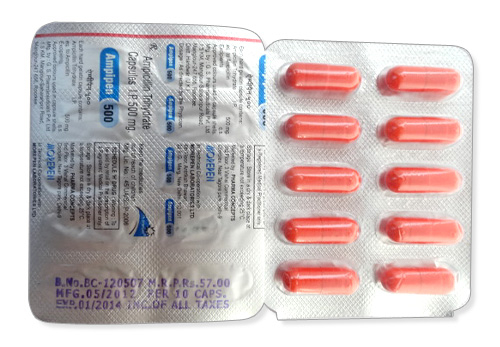
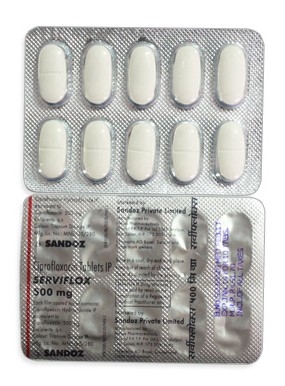
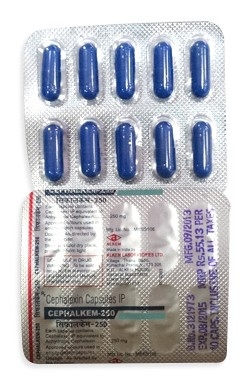
Basic Chloromycetin Information
- INN (International Nonproprietary Name): Chloramphenicol
- Brand names available in United Kingdom: Generic chloramphenicol ophthalmic products are the best-known UK presentations, especially eye drops and eye ointment.
- ATC Code: J01BA01
- Forms & dosages: Oral capsules 250 mg and 500 mg; powder for solution 1 g/vial as sodium succinate injection; eye ointment/drops 1%, 2%, 5%; oral suspension 125 mg/5 mL and 250 mg/5 mL; topical cream 1% and 2%.
- Manufacturers in United Kingdom: Multiple generic manufacturers supply chloramphenicol products; historical brand recognition is linked to Chloromycetin.
- Registration status in United Kingdom: Prescription Only Medicine for systemic use; ophthalmic products are widely used in UK practice for bacterial eye infections.
- OTC / Rx classification: Rx for systemic use, and ophthalmic access depends on local product rules and pharmacy supply.
Key Findings From Recent Trials
Wondering whether chloramphenicol is still relevant when there are newer antibiotics on the market?
The short answer is yes, but the way it is used has changed a lot.
Recent studies from 2022 to 2025 have not produced a large wave of new randomised trials for chloramphenicol.
Instead, the evidence base now leans heavily on older comparative data, resistance surveillance, ophthalmic use patterns, and safety monitoring.
That matters in UK prescribing because chloramphenicol is now used with a stewardship mindset rather than as a routine broad-spectrum option for every infection.
For systemic infection, the trend is restriction.
Clinicians reserve it for serious infections when other antibiotics are unsuitable because of allergy, resistance, or limited alternatives.
For eye infection, the picture is different.
Chloramphenicol eye drops and chloramphenicol eye ointment remain familiar options for uncomplicated bacterial conjunctivitis treatment in the UK.
That is why the drug still appears in community pharmacy consultations, especially when someone walks in with a red, sticky eye and wants a fast answer before the weekend.
The essential-medicine status also keeps chloramphenicol in the conversation.
It remains clinically useful where the pathogen, site of infection, or patient history limits safer choices.
For severe infections, systemic dosing is guided by weight and organ function, with careful review of liver and kidney status.
For eye infections, short courses are the norm, because the main goal is local treatment with as little exposure as possible.
Safety observations still dominate modern practice.
The serious concerns remain bone marrow suppression, aplastic anaemia risk, and the rare but important grey baby syndrome in neonates.
That is why CBC monitoring remains central for systemic use, along with the shortest effective duration.
Clinical Mechanism Of Action
Ever been told an antibiotic “stops bacteria growing”, but not quite how?
That is the simplest way to think about chloramphenicol.
It stops bacteria making the proteins they need to grow and multiply.
In plain terms, it takes away the bacteria’s ability to build and repair themselves.
That is why it can help clear certain bacterial eye infections and, in selected cases, serious systemic infections.
At a scientific level, chloramphenicol binds to the 50S ribosomal subunit.
It inhibits peptidyl transferase activity, which interrupts bacterial protein synthesis.
At standard concentrations, the effect is usually bacteriostatic rather than rapidly bactericidal.
That distinction matters because the drug is not a blanket answer for every infection, and it is one reason UK prescribing remains selective.
Formulation also changes the practical effect.
Chloramphenicol eye drops and chloramphenicol eye ointment act locally, so systemic exposure is limited.
By contrast, capsules, suspension and injection are used when tissue penetration is needed for serious disease.
That local-versus-systemic split is why the same active ingredient can have such different roles in pharmacy practice.
Scope Of Approved And Off-Label Use
Can you buy chloramphenicol for the problem you actually have?
In the UK context, the answer depends on the form.
Chloramphenicol is best known as a pharmacy-led topical treatment for bacterial conjunctivitis, depending on the product and route.
That is the use most people recognise when they ask for antibiotic eye drops for conjunctivitis.
Systemic use is much more restricted because safer alternatives are usually available.
Off-label systemic use may still happen in serious infections where standard therapies are unsuitable.
That decision is normally hospital-led and based on risk, benefit and monitoring capacity.
Ophthalmic use is the most common real-world application.
For many patients, it is the familiar choice when a pharmacist is trying to distinguish between a likely bacterial eye infection and a viral or irritant eye problem that needs different advice.
In practical UK use, the common scenarios are bacterial conjunctivitis treatment, eye infection drops and ointment, and rare severe infections in hospital settings.
In our online pharmacy, chloromycetin is available without a prescription, with discreet delivery to United Kingdom in 5-14 days.
That convenience is helpful, but it does not remove the need to use the right product for the right symptoms.
Dosage Strategy
What dose should be used, and does the answer change with age?
Yes, it changes with the route, severity and patient group.
For systemic therapy, a key adult reference point is 50 mg/kg/day in divided doses.
In more severe infections, selected cases may need up to 100 mg/kg/day, but that is not a casual starting point.
For children, dosing is also weight-based and can fall within 50 to 100 mg/kg/day depending on the indication and clinical judgement.
For eye infections, the usual approach is chloramphenicol eye ointment applied 2 to 4 times daily for a short course.
That short-course strategy fits uncomplicated bacterial conjunctivitis treatment, where local symptom control is the main aim.
The available formulations are straightforward to recognise.
Oral capsules come as 250 mg and 500 mg strengths.
The injection is supplied as 1 g per vial as sodium succinate.
Eye ointment and drops are commonly available at 1%, 2% and 5%.
Oral suspension appears in 125 mg/5 mL and 250 mg/5 mL strengths.
Topical cream is also listed in 1% and 2% forms.
Duration matters as much as dose.
Systemic infections are typically treated for 7 to 14 days, and the shortest effective duration is preferred.
Ophthalmic or topical treatment is usually 5 to 7 days.
In children, neonates need particular caution because immature liver and kidney function can raise exposure.
That is why grey baby syndrome is such an important warning in infants.
Older adults, and patients with liver or kidney impairment, also need careful adjustment and closer monitoring.
Safety Protocols
Is chloramphenicol safe?
The honest answer is that it can be safe when used correctly, but its safety profile is the reason it is restricted.
Do not use it in patients with known hypersensitivity to chloramphenicol.
It should also be avoided in people with previous bone marrow suppression, anaemia, or a history of blood dyscrasia.
Neonates and premature infants are at particular risk of grey baby syndrome, so use in that group is only considered when absolutely necessary.
Common side effects include nausea, vomiting, diarrhoea, oral or vaginal thrush, and mild allergic reactions.
Serious risks are the ones that shape UK prescribing.
These include bone marrow suppression, aplastic anaemia, rare optic or peripheral neuritis with prolonged use, and infant toxicity.
That is why CBC monitoring is essential for systemic therapy.
High-risk groups include elderly patients, people with liver or renal impairment, and those taking other myelosuppressive medicines.
Serum levels may also be considered where available, especially if treatment is prolonged or there are concerns about accumulation.
In practice, the safest approach is simple.
Use the shortest effective course, monitor blood counts when systemic treatment is used, and review any unusual fatigue, bruising, rash or visual change promptly.
Interaction Mapping
Are there major food rules with chloramphenicol?
Not really, especially with ophthalmic products.
For eye drops and ointment, food interactions do not dominate the picture.
For oral therapy, taking the medicine correctly matters more than timing it around meals.
The bigger issue is drug combinations to avoid.
Chloramphenicol should be avoided or used with great caution alongside other myelosuppressive medicines wherever possible.
That includes chemotherapy and other marrow-suppressing agents.
Multi-antibiotic regimens also need review if they are prolonged, because cumulative toxicity can make monitoring harder.
In UK practice, the focus is less on diet and more on cumulative marrow risk.
If a patient is already on medication that can depress blood counts, chloramphenicol becomes a much more cautious choice.
That is one reason alternatives such as ciprofloxacin, azithromycin or ceftriaxone are often preferred when they fit the infection and the pathogen.
Patient Experience Analysis
What do patients actually like about chloramphenicol?
Most people prefer eye drops or ointment because the treatment is local, short-term and familiar.
That suits the common UK experience of uncomplicated conjunctivitis, where someone wants relief without a long medicine list.
Patients often report a practical pattern.
Symptoms may start to improve quite quickly in mild bacterial eye infections.
Ointment can blur vision temporarily, which is normal but annoying if someone is trying to work, drive or look after children.
People also tend to ask about stinging, how long the course takes, and whether the medicine can be bought from a pharmacy without seeing a GP.
Online forum discussions usually circle around the same points.
Does it sting?
Will the eye look blurry after ointment?
How soon should the redness ease?
Can the tube tip touch the eye?
Those questions matter because adherence drops fast when the treatment feels messy or inconvenient.
The main barriers are missed doses, dislike of the greasy ointment texture, and worries about side effects.
Good advice usually helps: wash hands, avoid touching the tube tip, and finish the short course even if the eye looks better early.
Distribution And Pricing Landscape
Why is chloramphenicol so easy to find in some forms and not others?
The answer is supply pattern, regulation and demand.
Globally, the drug is supplied by many generic pharmaceutical companies.
Historically, the brand name Chloromycetin was strongly associated with the product, but most current use relies on generics.
In the UK, consumers most often encounter eye ointment or eye drops rather than systemic products.
That is because ophthalmic formulations fit the common community-pharmacy use case and carry a more limited exposure burden.
Packaging varies by market.
Oral capsules, suspension, injection vials, eye ointments and drops all exist across different countries.
Pricing is usually shaped by generic competition, local stock and pharmacy-chain availability.
In practical terms, chloramphenicol eye drops and chloramphenicol eye ointment are usually positioned as low-cost, familiar options for eye infection drops and short courses of treatment.
Supply can still vary from one pharmacy to another.
That is normal for older generics, especially when the focus is on local demand rather than heavy hospital use.
Alternative Options
When should another antibiotic be chosen instead?
That depends on the infection site, resistance pattern and the patient’s history.
For systemic infection, ceftriaxone, ciprofloxacin and azithromycin are common alternatives, and they are often preferred because of safety or practicality.
Tetracyclines, beta-lactams and macrolides can also be appropriate depending on the clinical picture.
For eye infections, other antibacterial eye treatments may be considered when chloramphenicol is not suitable.
The biggest advantages of chloramphenicol are its broad utility and long familiarity in ophthalmic practice.
The biggest downside is the toxicity profile, especially for marrow suppression.
Alternatives often win when a better safety profile, easier monitoring, or local resistance issues make chloramphenicol less attractive.
Chloramphenicol still matters when a short-course bacterial conjunctivitis treatment is needed, or when severe infection leaves few other usable choices.
For someone comparing antibiotic eye treatment options, the decision usually comes down to suitability rather than brand loyalty.
Regulatory Status
What is chloramphenicol’s legal position in the UK?
Systemic chloramphenicol is prescription only and tightly controlled because of serious safety risks.
Ophthalmic products are widely recognised in UK practice for bacterial eye infections.
The drug is classified under ATC code J01BA01, which places it in the amphenicol group of antibacterials for systemic use.
It is listed as an essential medicine in EU and WHO-related references.
That status reflects its continuing value, even though it is no longer a first-choice systemic antibiotic in most routine cases.
In many jurisdictions, it remains Rx-only because the risk of bone marrow suppression is not something to manage casually in primary care.
That is the basic balance regulators have kept in mind.
Keep access for the situations where it still matters, but avoid casual broad use where safer options exist.
Consolidated FAQ
Is chloramphenicol used for conjunctivitis?
Yes, especially for bacterial conjunctivitis treatment in the UK.
Is it over the counter?
Not for systemic use, and ophthalmic access depends on the local product and pharmacy supply.
Why is it restricted?
Because of the risk of bone marrow suppression and rare fatal toxicity.
Can children use it?
Yes, but dosing must be careful, and neonates need special caution because of grey baby syndrome risk.
What side effects should be watched for?
Nausea, vomiting, diarrhoea and allergic reactions are commoner issues, but unusual tiredness, bruising or visual symptoms need prompt review.
How long does eye treatment usually last?
Usually 5 to 7 days for ophthalmic or topical treatment.
What if a dose is missed?
Take it as soon as remembered unless the next dose is close, and do not double the next dose.
Visual Guide
Need a quick way to identify the main forms?
The product range is easier to remember when grouped by route.
- Capsules: 250 mg, 500 mg.
- Injection: 1 g/vial.
- Eye ointment/drops: 1%, 2%, 5%.
- Oral suspension: 125 mg/5 mL, 250 mg/5 mL.
Eye infections should be treated with ophthalmic formulations only.
Severe systemic infections are hospital-led and may involve oral or injectable use.
That route distinction is important because using the wrong form for the wrong site can lead to poor results and unnecessary risk.
Storage And Transport
How should chloramphenicol be stored at home or in transit?
The core rule is simple: store below 25°C and avoid freezing.
Keep products in the original packaging until they are needed.
Reconstituted solutions should be refrigerated, usually at 2 to 8°C, and used promptly.
Some products should be discarded after 24 hours if not used.
Eye ointments and drops need tightly capped containers to prevent contamination.
Once the course is complete, dispose of the product if there is any contamination risk.
As with all medicines, keep out of reach of children.
Guidelines For Proper Use
What makes chloramphenicol work well in real life?
Using it only for the prescribed indication and completing the full course.
Do not double doses after a missed dose.
If an overdose is suspected, seek immediate medical attention.
Warning symptoms can include bone marrow depression, cardiovascular collapse, and in infants the features of grey baby syndrome.
For eye infections, wash hands before and after application.
Avoid touching the tube tip to the eye or skin.
Finish the short course even if symptoms settle early, unless a clinician tells you to stop.
For systemic therapy, follow weight-based dosing and any blood test plan exactly.
Visual changes, rash, unusual fatigue or signs of blood problems should never be ignored during treatment.
Delivery Across United Kingdom
| City | Region | Delivery time |
|---|---|---|
| London | Greater London | 5-7 days |
| Birmingham | West Midlands | 5-7 days |
| Manchester | North West England | 5-7 days |
| Glasgow | Scotland | 5-7 days |
| Edinburgh | Scotland | 5-7 days |
| Leeds | West Yorkshire | 5-7 days |
| Liverpool | North West England | 5-7 days |
| Bristol | South West England | 5-7 days |
| Sheffield | South Yorkshire | 5-7 days |
| Newcastle upon Tyne | North East England | 5-7 days |
| Nottingham | East Midlands | 5-9 days |
| Leicester | East Midlands | 5-9 days |
| Coventry | West Midlands | 5-9 days |
| Cardiff | Wales | 5-9 days |
| Hull | Yorkshire and the Humber | 5-9 days |