Terbinafine
Terbinafine
- In our pharmacy you can buy terbinafine topical formulations (cream, spray) without a prescription, with delivery in 5–14 days throughout the United Kingdom and discreet packaging; oral terbinafine tablets (250 mg) are prescription‑only.
- Terbinafine is used to treat fungal infections such as onychomycosis (nail fungus), tinea pedis (athlete’s foot), tinea cruris, tinea corporis and tinea capitis; it is an allylamine antifungal that inhibits fungal squalene epoxidase, reducing ergosterol synthesis and disrupting the fungal cell membrane.
- The usual dose for adults is 250 mg orally once daily (commonly 6 weeks for fingernail infection and 12 weeks for toenail infection; 2–6 weeks for skin infections); topical preparations are 1% applied 1–2 times daily; paediatric dosing is weight‑based (e.g. 125 mg for <20 kg, 187.5 mg for 20–40 kg).
- Terbinafine is administered orally as tablets or granules and topically as a 1% cream or spray.
- For skin infections symptomatic improvement is often seen within 24–72 hours; for nail infections antifungal activity begins sooner but visible improvement and cure may take several weeks to months.
- Treatment courses typically last 2–6 weeks for skin infections and 6–12 weeks for nail infections; terbinafine accumulates in skin and nails and its effects can persist for weeks after finishing therapy.
- Avoid excessive alcohol while taking systemic terbinafine as alcohol increases the risk of liver injury; liver function tests are recommended before and during oral therapy and alcohol should be avoided if you have known liver disease.
- The most common side effects are, with oral use, gastrointestinal upset (nausea, diarrhoea), headache and taste disturbance; with topical use, mild local irritation, itching or stinging are most common.
- Would you like to try terbinafine without a prescription?
Terbinafine
Key Findings From Recent Trials
Basic Terbinafine Information
- INN (International Nonproprietary Name): Terbinafine
- Brand Names Available In United Kingdom: Lamisil, Terbinex
- ATC Code: D01BA02
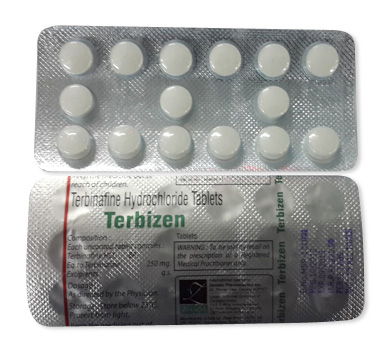
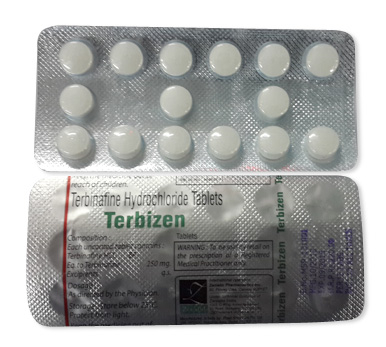
- Forms & Dosages: Tablets 250 mg (oral, blisters 7/14/28); Cream 1% (topical, tubes 7g–30g); Spray 1% (topical, 15 ml–30 ml); Granules 125 mg and 187.5 mg (paediatric, unit-dose sachets).
- Manufacturers In United Kingdom: Major suppliers and marketers include Novartis, Taro and Mylan, with multiple generics from Aurobindo, Cipla, Glenmark and Apotex.
- Registration Status In United Kingdom: Marketed via national procedures in the EU/UK and authorised through national registrations.
- OTC / Rx Classification: Oral tablets are prescription-only; topical 1% formulations are often available over the counter in small packs, while larger or specialised topical forms may be prescription-only.
Major 2022–2025 Studies
What did recent trials actually test and who were the patients?
Randomised controlled trials and several meta-analyses published between 2022 and 2025 focused mainly on onychomycosis and common tinea infections.
Most trials compared oral terbinafine 250 mg once daily with oral azoles such as itraconazole and fluconazole, or with topical therapies in milder cases.
Topical terbinafine 1% cream and spray were evaluated for tinea corporis, cruris and pedis in outpatient populations with limited disease.
Some regionally focused studies explored combination topical regimens for mixed infections that include inflammatory components or secondary bacterial colonisation.
Main Outcomes
Which treatments worked best in the studies?
Across recent trials systemic terbinafine continued to demonstrate the highest mycological and clinical cure rates for dermatophyte onychomycosis compared with most azole comparators.
Oral terbinafine delivered faster nail clearance and higher mycological eradication in the majority of head-to-head studies in adults.
Topical terbinafine 1% cream and spray remained effective for limited tinea corporis, cruris and pedis, producing rapid symptom relief in mild to moderate disease.
Combination topical approaches are under evaluation and show promise in specific local practice settings, but evidence is still regionally limited.
Safety Observations
Were there any safety concerns in the trials?
Hepatic adverse events were infrequent in trials but remain clinically important and were monitored closely in study protocols.
Taste disturbance and gastrointestinal upset were the most commonly reported oral adverse effects across studies.
Topical preparations most commonly caused mild local irritation, erythema or itching in a small proportion of participants.
Real-world registry data emphasise relapse and recurrence after treatment completion as a practical management challenge for nail disease.
Clinical Mechanism Of Action
Layman’s Explanation
How does terbinafine stop fungal infections in plain terms?
Terbinafine prevents fungi from building a crucial component of their cell membrane, which weakens and eventually kills the organism.
This action explains why terbinafine produces rapid improvement in skin infections and why oral use reaches nails effectively.
Scientific Breakdown
What is the biochemical action behind the effect?
Terbinafine is an allylamine antifungal that inhibits fungal squalene epoxidase, reducing ergosterol synthesis and leading to toxic intracellular squalene accumulation.
Its fungicidal activity against dermatophytes underlies the clinical superiority seen in onychomycosis compared with fungistatic azoles.
Topical 1% formulations deliver high local drug concentrations suitable for tinea corporis, pedis and cruris.
Oral dosing (250 mg once daily) achieves keratin-bound levels in nail and skin that are effective for toenail infections when given for the recommended durations.
Terbinafine is lipophilic with high affinity for keratin and is eliminated after hepatic metabolism, which explains the emphasis in product literature on liver monitoring and contraindication in active hepatic disease.
Scope Of Approved And Off-Label Use
United Kingdom Approvals
What is terbinafine licensed for in the UK?
Terbinafine tablets (250 mg) are licensed for onychomycosis with a fingernail course of 6 weeks and a toenail course of 12 weeks at 250 mg once daily.
Topical 1% cream and spray are licensed for tinea pedis, tinea corporis and tinea cruris, usually applied once or twice daily for 1–4 weeks depending on product guidance.
Topical packs are widely available OTC in UK pharmacies, while oral tablets remain prescription-only.
Notable Off-Label Trends
How do clinicians use terbinafine outside the licence?
Terbinafine is used clinically for tinea capitis in children with weight-based dosing through paediatric granules, although not all markets carry those formulations.
Occasional off-label use includes cutaneous candidiasis and other atypical dermatophyte presentations when clinicians judge benefit outweighs risk.
Combination creams containing corticosteroids or antibacterials appear in some regions, but UK guidance generally favours targeted antifungal therapy and cautions routine combinations.
Product recommendations reserve systemic terbinafine for severe or recalcitrant nail disease while topical forms remain first-line for limited dermatomycoses.
Dosage Strategy
General Dosing
What are the usual doses to remember?
Standard adult oral dosing is terbinafine 250 mg once daily for systemic therapy unless otherwise specified by a specialist.
Topical 1% cream and spray are typically applied once or twice daily to affected areas according to product instructions.
Condition-Specific Dosing
How long and what dose for each condition?
Onychomycosis of fingernails: oral terbinafine 250 mg once daily for six weeks as per product information.
Onychomycosis of toenails: oral terbinafine 250 mg once daily for twelve weeks as per product information.
Tinea corporis and tinea cruris treated systemically: terbinafine 250 mg once daily for two to four weeks depending on severity.
Tinea pedis treated systemically: terbinafine 250 mg once daily for two to six weeks as clinically indicated.
Topical mild tinea: 1% cream or spray applied once or twice daily for one to four weeks depending on product and response.
Paediatric tinea capitis uses weight-based granules, for example 125 mg for children under 20 kg and 187.5 mg for those 20–40 kg where granule formulations are available.
Elderly patients typically use standard dosing but require monitoring of hepatic and renal function.
Terbinafine is contraindicated in chronic active liver disease and routine dose reductions for hepatic impairment are not recommended; avoid systemic use in such patients.
For severe renal impairment (CrCl <50 ml/min) consider dose modification or alternative therapy in line with local product guidance.
Safety Protocols
Contraindications
Who should not take terbinafine?
Absolute contraindications are known hypersensitivity to terbinafine or any excipients and chronic or active hepatic disease.
Relative cautions include significant renal impairment, pregnancy and lactation; systemic use is generally avoided in pregnancy and not recommended during breastfeeding, while topical use can be considered with caution.
Baseline liver function testing and clinical monitoring during systemic therapy are standard practice in the UK.
Adverse Effects
What side effects should patients expect and how frequent are they?
Common oral side effects include gastrointestinal upset such as nausea, diarrhoea and abdominal pain, plus headache and taste disturbance.
Rash and pruritus are reported in some patients on systemic therapy.
Topical terbinafine most often causes mild local irritation, stinging or erythema at the application site.
Serious hepatic reactions are rare but clinically significant and require immediate discontinuation and medical assessment if symptoms such as jaundice or persistent nausea occur.
Advise patients to stop systemic therapy and seek urgent review for signs of liver dysfunction and to document monitoring plans in the patient record.
Interaction Mapping
Food Interactions
Are there foods to avoid with terbinafine?
There are no specific food restrictions mandated in product literature for oral terbinafine tablets.
Alcohol moderation is advisable because terbinafine is metabolised in the liver and alcohol increases hepatic risk.
For topical forms food interactions are irrelevant.
Drug Combinations To Avoid
Which medicines interact notably with terbinafine?
Terbinafine is metabolised hepatically and acts as a moderate inhibitor of CYP2D6 and can therefore affect drugs processed by that pathway.
Prescribers should review concomitant medications such as certain antidepressants, some antipsychotics, tramadol and some beta-blockers for interaction risk and consider dose adjustments or alternatives.
Avoid co-prescribing with other hepatotoxic medicines where possible and monitor liver function closely when combinations are unavoidable.
Always check current interaction databases and local formularies before starting systemic terbinafine in the UK setting.
Patient Experience Analysis
Survey Data
What do patients say about using terbinafine?
Surveys and adherence studies show patients appreciate terbinafine’s higher cure potential for nail infections but often find treatment length and liver monitoring a barrier to starting systemic therapy.
Topical OTC users commonly report rapid symptomatic relief of athlete’s foot and ringworm with minimal adverse effects.
Incomplete adherence to topical regimens is a common reason for relapse, especially when symptoms improve early and patients stop treatment.
Forum Trends
What queries and concerns appear online?
Online searches and forums commonly ask about "Lamisil 250 mg tablets", "terbinafine cream 1% for ringworm" and "terbinafine nail infection cure", reflecting interest in oral results and topical convenience.
Frequent patient concerns include taste disturbance, fatigue and anxiety about liver damage with systemic therapy.
Positive feedback often highlights visible nail improvement after several months, reinforcing the need to set realistic timelines in counselling.
Clinicians should address expectations for time to visible improvement, recurrence risk and monitoring requirements when advising UK patients.
Distribution And Pricing Landscape
How widely available is terbinafine and what about cost?
Terbinafine is marketed globally under brands such as Lamisil and Terbinex, and numerous generics keep prices competitive.
In the UK topical 1% formulations are commonly sold OTC in retail pharmacies and online, while oral tablets (250 mg) are prescription-only and dispensed as generics on the NHS or privately.
Packaging usually includes blister packs for tablets (7/14/28), tubes for creams (7–30 g) and small bottles for sprays (15–30 ml).
Patent expiry and multiple generic suppliers have reduced prices, with NHS prescribing typically favouring generics for cost-effectiveness.
Occasional regional shortages can affect specific formulations, notably paediatric granules, because API sourcing is global.
Alternative Options
Comparison Table
What are the main alternatives to terbinafine and how do they measure up?
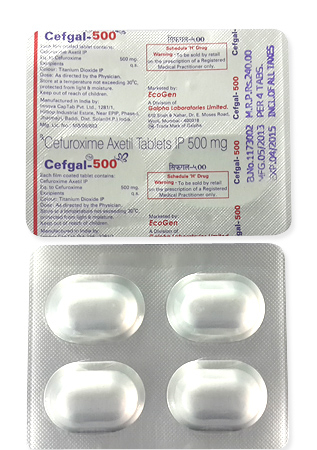
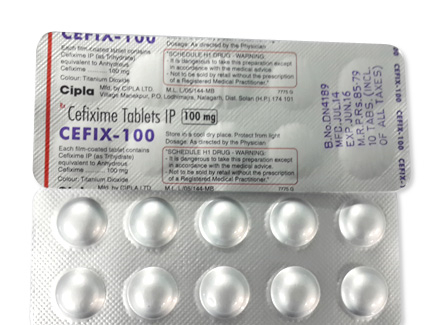
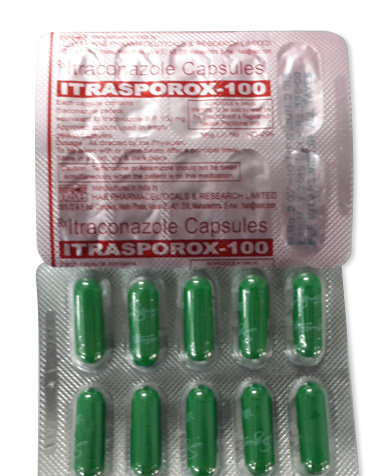
Oral azoles such as itraconazole and fluconazole are alternatives; itraconazole has a role for non-dermatophyte moulds and where terbinafine is not tolerated.
Ciclopirox nail lacquers provide a topical alternative for nail disease where oral therapy is contraindicated but generally show lower cure rates.
Other allylamines like naftifine are available in some markets but are less commonly used systemically.
Pros And Cons
How to weigh choice in practice?
Terbinafine offers fungicidal activity against dermatophytes, strong nail penetration and simple once-daily dosing; disadvantages are liver safety considerations and the need for a prescription for oral forms.
Azoles offer a broader antifungal spectrum but often require longer courses and carry more drug interactions.
Topical lacquers and creams carry low systemic risk and are OTC for mild disease, but they are less effective for established nail infection.
Treatment choice should follow organism identification when possible, disease severity, comorbidity and patient preference.
Regulatory Status
Is terbinafine approved worldwide?
Terbinafine is authorised and marketed in most regions globally with national registrations in the EU/UK and FDA approvals and multiple generics in the United States.
Brand names and marketing differ by country, but core product information and hepatic precautions are consistent across regions.
Oral tablets remain prescription-only internationally, while many topical 1% options are available OTC in small packs to improve patient access for uncomplicated tinea.
Consolidated FAQ
Quick Answers For UK Prescribers And Patients
How long for a nail cure?
Fingernail courses are typically six weeks of oral terbinafine 250 mg once daily and toenail courses are twelve weeks, with visible improvement continuing for months after treatment.
Are liver tests necessary?
Baseline liver function tests and clinical monitoring during systemic terbinafine are standard in the UK, and therapy should stop if hepatic symptoms develop.
Can I use terbinafine in pregnancy?
Oral terbinafine is generally avoided in pregnancy; use topical preparations only after clinical assessment.
Is terbinafine available OTC?
Topical 1% cream and spray are available over the counter in small packs in the UK, while oral tablets require a prescription.
What if I miss a dose?
Take a missed oral dose as soon as you remember unless it is near the time of the next dose; do not double up.
How should I store terbinafine?
Store at 15–30°C in a dry place, protect from moisture and light and do not freeze topical forms.
Visual Guide
Suggested Images And Infographics
What visuals help patients and prescribers understand treatment?
Create a treatment timeline infographic contrasting topical versus systemic pathways, showing topical 1% application frequency and expected symptomatic relief over days to weeks.
Include an oral treatment timeline that shows terbinafine 250 mg daily and the typical nail growth and clearance timeline measured in months.
Add a liver-monitoring flowchart with baseline LFTs, symptom triggers and clear stop-and-review instructions.
Produce an anatomy diagram showing terbinafine keratin binding in nail and skin to visualise why oral dosing is effective for onychomycosis.
Key Labels To Show
What should packaging visuals include?
Label typical packaging such as tubes (7–30 g), sprays (15–30 ml) and blister packs (7/14/28 tablets) clearly showing INN Terbinafine, ATC D01BA02 and strengths (1%, 250 mg).
Use iconography to distinguish OTC topical packs from prescription oral tablets and include a small prescriber checklist.
Storage And Transport
How should pharmacies and patients look after terbinafine?
Store products at 15–30°C in a dry place, protected from moisture and light, and do not freeze topical forms.
Use blister packaging for tablets and tamper-evident sachets for paediatric granules to preserve stability in transit.
When shipping, maintain ambient temperature control and avoid prolonged heat or humidity exposure that can deform tubes or leak sprays.
Advise patients to avoid storing creams in bathrooms where humidity may exceed recommended conditions.
Guidelines For Proper Use
Prescriber Checklist
- Confirm indication and, where possible, the causative organism.
- Obtain baseline liver function tests and review hepatic history.
- Check concomitant medicines for CYP2D6 interactions and other hepatotoxic drugs.
- Discuss pregnancy and lactation status before prescribing systemic therapy.
- Choose topical treatment for limited disease and oral therapy for onychomycosis or severe cases.
- Provide an expected timeline for improvement and set a follow-up plan.
Patient Counselling Points
What should patients be told at dispensing?
Explain dosing clearly: oral 250 mg once daily and topical 1% applied once or twice daily as instructed.
Stress the longer treatment times for nails and that visible improvement may take months after finishing tablets.
Warn about common side effects such as taste disturbance and gastrointestinal symptoms, and about local irritation with cream or spray.
Advise immediate medical review and stopping systemic therapy if jaundice, dark urine, persistent nausea or severe fatigue develop.
Encourage adherence, completing topical courses, moderating alcohol, and storing medicines at recommended temperatures.
Document the counselling and monitoring plan in the patient record.
Delivery Across United Kingdom
| City | Region | Delivery Time |
|---|---|---|
| London | Greater London | 5-7 days |
| Birmingham | West Midlands | 5-7 days |
| Manchester | Greater Manchester | 5-7 days |
| Glasgow | Scotland | 5-7 days |
| Leeds | West Yorkshire | 5-7 days |
| Edinburgh | Scotland | 5-7 days |
| Liverpool | Merseyside | 5-7 days |
| Sheffield | South Yorkshire | 5-9 days |
| Bristol | South West England | 5-9 days |
| Belfast | Northern Ireland | 5-9 days |
| Newcastle | Tyne and Wear | 5-9 days |
| Nottingham | Nottinghamshire | 5-9 days |
| Southampton | Hampshire | 5-9 days |
| Cardiff | Wales | 5-9 days |
Purchase And Access Notes
How can patients obtain terbinafine in the UK?
Topical terbinafine 1% products are readily available OTC in pharmacies and online in small packs for uncomplicated tinea.
Oral terbinafine tablets are prescription-only, with NHS dispensing or private prescription routes commonly used.
In our online pharmacy, terbinafine is available without a prescription, with discreet delivery to United Kingdom in 5-14 days.
Closing Practical Tips
Key takeaways for prescribers and pharmacists.
Systemic terbinafine is the gold standard for dermatophyte onychomycosis due to superior mycological and clinical cure rates compared with most azole comparators.
Topical 1% formulations remain first-line for limited tinea corporis, cruris and pedis and have a favourable safety profile.
Baseline liver function testing and ongoing clinical vigilance are required for all patients receiving oral terbinafine.
Check for CYP2D6-mediated drug interactions and avoid co-prescribing multiple hepatotoxins where possible.
Set patient expectations about treatment duration for nails and emphasise adherence to reduce the risk of relapse.