
Cordarone
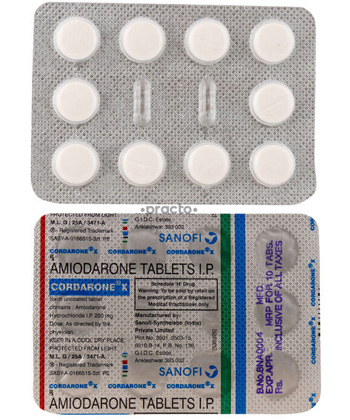
Cordarone
- In most countries Cordarone (amiodarone) is a prescription-only medicine and officially requires a prescription; however, some pharmacies or online sellers may offer it without a receipt — purchasing without a valid prescription is not recommended and may be illegal in your jurisdiction.
- Cordarone is used to treat serious cardiac arrhythmias such as refractory ventricular fibrillation and ventricular tachycardia (and off‑label for certain atrial arrhythmias); it is primarily a Class III antiarrhythmic that prolongs the cardiac action potential by blocking potassium channels and also exhibits Class I, II and IV effects and significant iodine-related actions on the thyroid.
- Usual dosing in adults: oral loading 800–1,600 mg/day in divided doses until response (typically 1–3 weeks), reduction to 600–800 mg/day for about 1 month, then maintenance 200–400 mg/day individualised to the patient; IV hospital regimen commonly starts 150 mg over 10 minutes, then 1 mg/min for 6 hours, then 0.5 mg/min for 18 hours.
- Forms of administration: oral scored tablets (commonly 100 mg and 200 mg) and parenteral intravenous solution/vials (e.g. 50 mg/mL) for hospital use.
- Onset time: IV administration can affect cardiac rhythm within minutes; oral therapy may begin to show effects within days but full antiarrhythmic response often requires 1–3 weeks of loading.
- Duration of action: amiodarone has a very long and variable elimination half‑life (typically measured in weeks to months), so clinical effects and tissue accumulation can persist for weeks or months after stopping the drug.
- Alcohol warning: avoid excessive alcohol — alcohol may worsen cardiac symptoms and liver toxicity; moderate or avoid alcohol while on amiodarone and discuss alcohol use with your prescriber.
- The most common side effect is gastrointestinal disturbance (for example nausea); other frequent adverse effects include thyroid dysfunction, photosensitivity and skin discolouration, pulmonary toxicity, corneal microdeposits and neurological symptoms such as tremor.
- Would you like to try cordarone without a prescription?
Cordarone





Basic Cordarone Information
- INN (International Nonproprietary Name): Amiodarone (Latin: Amiodaronum)
- Brand Names Available In United Kingdom: Cordarone X; generic Amiodarone (tablet packs 28/30/100)
- ATC Code: C01BD01 — Cardiac Therapy; Antiarrhythmics, Class III (amiodarone also shows class I, II and IV activity)
- Forms & Dosages: Oral scored tablets 100 mg and 200 mg; parenteral solution/vials 50 mg/mL (IV) reserved for hospital use
- Manufacturers In United Kingdom: Sanofi (original Cordarone), plus generics from Sandoz, Teva and other national suppliers
- Registration Status In United Kingdom: Approved by MHRA and listed in formularies; prescription‑only medicine (Rx)
- OTC / Rx Classification: Rx only — not available over the counter in the UK
Major 2022–2025 Studies
What have recent trials actually shown about amiodarone and why do clinicians still reach for Cordarone in difficult cases?
Randomised controlled trials, registry analyses and network meta‑analyses published between 2022 and mid‑2024 consistently rank amiodarone among the most effective agents for maintaining sinus rhythm and terminating ventricular arrhythmias.
Large RCTs and pooled registry data emphasise its potency in patients with structural heart disease, where many other antiarrhythmics are less effective or contraindicated.
Main Outcomes
Across multiple study designs, amiodarone showed higher rhythm‑control success rates than dronedarone, sotalol and many class I drugs for both atrial and ventricular arrhythmias in complex patients.
Trials reported quicker termination of sustained ventricular tachycardia and fewer recurrences when amiodarone was used, particularly where left ventricular disease was present.
Safety Observations
Safety signals in contemporary analyses mirror long‑standing concerns: cumulative toxicity rises with months to years of exposure.
Registry data and observational cohorts highlighted pulmonary, hepatic and thyroid adverse events as the principal long‑term risks, with incidence increasing over time.
MHRA pharmacovigilance reports and UK datasets reinforce the need for baseline and ongoing monitoring and favour reserving amiodarone away from routine first‑line use in uncomplicated atrial fibrillation.
Layman’s Explanation
How does Cordarone calm a heart that’s racing or beating oddly?
Amiodarone slows and stabilises the electrical signals that make the heart beat, making dangerous fast rhythms less likely and helping to restore normal rhythm.
Because it acts on several parts of the heart’s electrical system at once, it works for a wide range of irregular rhythms.
Scientific Breakdown
How does the drug produce that broad effect?
Amiodarone is classed in the ATC system as C01BD01 and is predominantly a Class III antiarrhythmic, but it also exerts Class I (sodium channel), Class II (beta‑adrenergic) and Class IV (calcium channel) effects.
Electrophysiology
The drug prolongs action potential duration and increases the refractory period of cardiac cells, reducing the chance of re‑entry circuits and abnormal automaticity.
It also slows conduction velocity in diseased myocardium, which helps terminate and prevent ventricular and supraventricular arrhythmias.
Pharmacokinetics
Amiodarone is highly lipophilic with a large volume of distribution and accumulates in tissues such as lung, liver, thyroid and skin.
The elimination half‑life can be weeks to months, which explains a delayed onset of full effect after starting and prolonged activity after stopping the drug.
Tissue accumulation accounts for both durable efficacy in some patients and the risk of cumulative toxicity over time.
United Kingdom Approvals
Where does Cordarone sit in UK practice and regulation?
Amiodarone (Cordarone X and generics) is prescription‑only and indicated primarily for life‑threatening ventricular arrhythmias such as refractory ventricular tachycardia or ventricular fibrillation, and for use when other therapies are ineffective or contraindicated.
Hospitals supply the IV form for acute loading; oral maintenance in primary care uses 100 mg and 200 mg tablets listed on NHS formularies.
Notable Off‑Label Trends
How do clinicians actually use amiodarone beyond the licence?
In the UK, it is commonly used off‑label for rhythm maintenance in atrial fibrillation when alternatives have failed or are unsuitable, especially in patients with structural heart disease.
Cardiology teams typically reserve long‑term amiodarone for second‑line use, or for patients who accept the monitoring burden, and paediatric use is limited to specialist centres with weight‑based regimens.
General Dosing
What dosing pattern should patients expect when starting Cordarone?
Typical oral loading is 800–1600 mg/day in divided doses until an initial clinical response, usually over 1–3 weeks, followed by reduction to 600–800 mg/day for about a month and then a maintenance dose of 200–400 mg/day.
Many UK prescribers aim for the lowest maintenance dose effective, often 200 mg/day.
In hospital, an IV regimen is used for acute situations: 150 mg over 10 minutes, then 1 mg/min for six hours and 0.5 mg/min for 18 hours, with variations for emergencies.
Condition‑Specific Dosing
How is dose tailored by the arrhythmia being treated?
For ventricular arrhythmias, aggressive loading (oral or IV) under inpatient monitoring is standard, with maintenance dose adjusted to arrhythmia burden and tolerability.
In atrial fibrillation maintenance, lower loading and maintenance doses are often effective and are chosen to minimise extracardiac toxicity.
Elderly patients and those with liver impairment should start at lower doses and be monitored closely for accumulation and adverse effects.
Contraindications
Who must not take Cordarone?
Absolute contraindications include known hypersensitivity to amiodarone or iodine, severe sinus node dysfunction, high‑grade atrioventricular block without a pacemaker, untreated thyroid disease and pregnancy unless essential.
Relative concerns include interstitial lung disease, significant liver dysfunction, untreated electrolyte disturbances and concomitant use of strong QT‑prolonging agents.
Adverse Effects
What side effects should patients be warned about?
Common mild to moderate events are gastrointestinal upset, photosensitivity, slate‑blue skin discolouration, tremor, corneal microdeposits and fatigue.
Serious toxicities include pulmonary fibrosis or interstitial pneumonitis, clinically significant hypothyroidism or thyrotoxicosis due to iodine content, and hepatotoxicity.
Bradyarrhythmias and conduction block can occur and neurological effects such as ataxia or peripheral neuropathy are reported with chronic exposure.
Standard UK practice mandates baseline tests (CXR, LFTs, TFTs, ECG) and scheduled follow‑up, with TFTs and LFTs typically every 3–6 months and prompt respiratory review for new symptoms.
Food Interactions
Are there foods to avoid with amiodarone?
There are no specific food restrictions for absorption, but consistent administration with meals reduces variability.
Grapefruit juice should be avoided when patients are on concurrent CYP3A4 substrates such as certain statins, because it may increase systemic drug exposure.
Drug Combinations To Avoid
Which medicines need caution or dose change when combined with Cordarone?
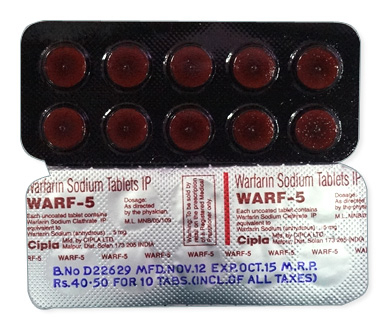
Amiodarone potentiates warfarin and commonly requires closer INR monitoring and warfarin dose reduction after initiation.
Interactions with direct oral anticoagulants and P‑glycoprotein substrates can be clinically relevant, so specialist review is advised.
CYP3A4 inhibition from amiodarone raises statin concentrations; consider pravastatin or lower statin dosing to reduce myopathy risk.
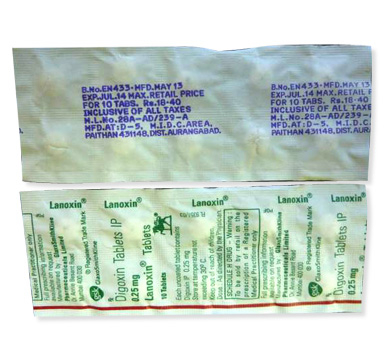
Combine cautiously with QT‑prolonging drugs because of additive torsades risk, and reduce digoxin dose by roughly 30–50% when starting amiodarone due to increased digoxin levels and bradycardia risk.
UK clinicians should perform comprehensive medication reconciliation at initiation and liaise with anticoagulation services and GPs.
Survey Data
How do patients rate Cordarone after starting it?
UK clinic audits and patient surveys show that many patients report significant relief from palpitations and fewer hospital admissions when amiodarone controls their arrhythmia.
Patient satisfaction is tempered by the monitoring burden and concern about long‑term organ risks, particularly for lung and thyroid problems.
Forum Trends
What are people saying online?
Patient forums frequently mention photosensitivity, skin discolouration, fatigue and cognitive complaints, and posts often urge strict adherence to monitoring schedules.
Several threads describe delayed recognition of thyroid dysfunction prior to structured monitoring, reinforcing the need for clear counselling before starting therapy.
Clinicians should provide written monitoring plans and rapid access for respiratory or thyroid symptoms, and practices in the UK typically reserve long‑term use for patients willing to accept monitoring obligations.
Distribution & Pricing Landscape
Is Cordarone easy to find and what does it cost on the NHS?
Cordarone X and multiple generics (100 mg and 200 mg tablets) are widely available across UK community pharmacies and hospital formularies, while IV formulations remain hospital‑supplied.
Sanofi developed the original Cordarone brand; generics from Sandoz, Teva and other manufacturers supply the NHS and private sector.
Tablet prices in primary care procurement are generally low because of multiple generics, though regional procurement and supply variations sometimes affect local cost.
NHS formularies list generic amiodarone as a cost‑effective option where indicated, and procurement focuses on pack sizes (28/30/100) and hospital IV vial supply.
Supply disruptions can affect inpatient care because IV vials are hospital‑controlled; MHRA pharmacovigilance and local commissioning decisions influence substitution policies between branded Cordarone X and generics.
Comparison Table (Text Summary)
How does amiodarone compare with other antiarrhythmics in a nutshell?
Sotalol: effective for some ventricular and supraventricular arrhythmias with lower non‑cardiac toxicity than amiodarone but carries QT‑prolongation and requires renal adjustment.
Dronedarone: less thyroid and pulmonary toxicity, but reduced efficacy in many settings and contraindicated in severe heart failure.
Class I agents (flecainide, propafenone): work well for atrial fibrillation in structurally normal hearts but are unsuitable for significant structural disease or left ventricular dysfunction.
Ibutilide: an IV option useful for acute cardioversion of AF; short‑term only.
Pros And Cons
What makes amiodarone still indispensable despite its downsides?
Pros: broad efficacy across arrhythmias, reliable in structural heart disease, available in oral and IV forms for both acute and maintenance therapy.
Cons: cumulative multi‑organ toxicity, complex drug interactions, and a very long half‑life that necessitates prolonged monitoring even after stopping the drug.
In UK practice, amiodarone remains the preferred option for refractory ventricular arrhythmias and for AF when structural heart disease is present, while alternatives are favoured for uncomplicated AF.
Regulatory Status
Is Cordarone regulated and what guidance governs its use?
Amiodarone (Cordarone X and generics) is a prescription‑only medicine approved by the MHRA in the UK and by other national regulators internationally.
MHRA safety communications highlight the need for baseline and periodic monitoring of TFTs, LFTs and chest imaging, and encourage reporting of suspected adverse reactions.
Local NHS formularies commonly require specialist initiation and shared care arrangements for community prescribing, with clearly defined responsibilities for monitoring frequency and dose changes.
Consolidated FAQ
Is Cordarone X available without prescription in the UK?
No — amiodarone is prescription‑only and must be supplied on an NHS or private prescription.
How long before effects appear?
Initial action may be seen within days, but full effect often takes weeks because of gradual tissue accumulation and long half‑life.
What monitoring is required?
Baseline and periodic testing of thyroid function tests, liver function tests, chest imaging/clinical review, ECG and ophthalmic checks as indicated.
Can I stop it if I feel side effects?
Do not stop abruptly without medical advice; contact the prescriber. Toxicities can persist after stopping owing to slow drug elimination.
Pregnancy and breastfeeding?
Generally avoided in pregnancy unless benefit clearly outweighs risk; specialist advice is required.
Interactions with warfarin and statins?
Amiodarone increases warfarin effect — monitor INR closely — and raises statin levels, so dose adjustments or alternative statins are often needed.
Visual Guide
What should ward staff, GPs and pharmacy teams keep on a single‑page chart?
Formulations: oral tablets 100 mg and 200 mg for community use; IV 50 mg/mL vials for hospitals.
Initial Pathway
Unstable VT/VF → inpatient IV loading and continuous ECG/haemodynamic monitoring.
Planned rhythm control outpatient → oral loading 800–1600 mg/day in divided doses under specialist supervision.
Transition
Step down to 600–800 mg/day for approximately one month, then aim for a maintenance dose of 200–400 mg/day, choosing the lowest effective dose where possible.
Monitoring Checkpoints
Baseline: ECG, TFTs, LFTs, CXR and informed consent about long‑term risks.
Follow‑up: clinical review at 1–3 months, TFTs and LFTs every 3–6 months (adjust per risk), chest imaging or respiratory assessment for new breathlessness or cough.
Red Flags
Immediate review for new or worsening breathlessness, persistent cough, jaundice, visual change or severe bradycardia.
Storage & Transport
How should Cordarone be stored in pharmacy and at home?
Store tablets at room temperature below 25°C, protected from light and moisture, and keep out of reach of children.
Do not freeze IV solutions; follow manufacturer and hospital pharmacy cold chain policies where relevant.
Advise patients to keep tablets in original packaging to minimise moisture exposure and check strength when brands are substituted to avoid dosing errors.
Pharmacies should maintain stock control, expiry monitoring and record keeping consistent with Rx‑only status and MHRA reporting requirements.
Guidelines For Proper Use
What practical checklist helps prescribers and pharmacists ensure safe use?
Confirm indication and reserve long‑term use for refractory ventricular arrhythmias or specialist‑approved AF with structural disease.
Baseline workup should include ECG, CXR, LFTs, TFTs and pregnancy test where relevant, and counselling on long‑term monitoring obligations should be documented.
Set a clear dosing plan with loading, reduction and a target maintenance dose (aim for 200 mg/day when effective) and specify review points and duration.
Monitoring schedule: TFTs and LFTs at baseline, three months, then six‑monthly, with chest imaging and respiratory review for symptoms.
Manage interactions proactively: coordinate with anticoagulation clinics, reduce digoxin when starting amiodarone and review statin choice.
Agree shared‑care arrangements that clearly assign monitoring and prescription renewal responsibilities between hospital specialist and GP.
Provide patients with written information on red‑flag symptoms, sun‑protection advice and the need for regular tests.
Consolidated Access Note
How can patients obtain Cordarone in the UK and what about delivery?
As a prescription‑only medicine, amiodarone must be supplied against a valid prescription in the UK.
For patients ordering by prescription through an online pharmacy service, Cordarone can be dispatched with discreet delivery across the United Kingdom, typically within 5–14 days depending on location and stock.
Delivery Across United Kingdom
| City | Region | Delivery Time |
|---|---|---|
| London | Greater London | 5-7 days |
| Birmingham | West Midlands | 5-7 days |
| Manchester | Greater Manchester | 5-7 days |
| Glasgow | Scotland | 5-7 days |
| Leeds | West Yorkshire | 5-7 days |
| Edinburgh | Scotland | 5-7 days |
| Bristol | South West England | 5-7 days |
| Liverpool | Merseyside | 5-9 days |
| Sheffield | South Yorkshire | 5-9 days |
| Newcastle Upon Tyne | North East England | 5-9 days |
| Nottingham | Nottinghamshire | 5-9 days |
| Southampton | South East England | 5-9 days |
| Belfast | Northern Ireland | 5-7 days |
Concluding Practical Points
When Is Amiodarone The Right Choice?
Amiodarone is especially useful for patients with refractory ventricular arrhythmias and for atrial fibrillation in the presence of structural heart disease, where other drugs are less effective or unsafe.
What Should Patients Expect In Practice?
Expect a structured baseline assessment, a defined loading and maintenance plan, and regular follow‑up tests for thyroid, liver and lung health.
How Do Pharmacists Help?
Pharmacists play a central role in interaction checks, counselling on adverse effects and arranging monitoring reminders, and in the UK they assist with communication between hospital specialists and primary care.
Final Reminder
Amiodarone (Cordarone) is powerful and effective but requires respect for its toxicity profile, careful dosing, drug interaction management and reliable monitoring to keep treatment safe and effective for patients in the United Kingdom.