Lisinopril
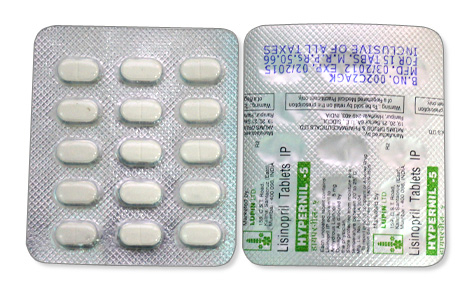
Lisinopril
- In most countries lisinopril is prescription-only and must be obtained with a prescription (USA, UK, EU, India, Japan etc.); however availability varies and some pharmacies or online suppliers may sell it without a prescription—always check local regulations and consult a healthcare professional.
- Lisinopril is used to treat hypertension, heart failure, post‑myocardial infarction care and diabetic nephropathy. It is an angiotensin‑converting enzyme (ACE) inhibitor that reduces angiotensin II formation, lowering blood pressure and cardiac workload.
- Usual starting doses: hypertension 10 mg once daily (maintenance 20–40 mg once daily, max 40 mg); heart failure often starts 2.5–5 mg daily titrated up to 40 mg; post‑MI typically 5 mg then 10 mg as tolerated; adjust for renal impairment.
- Administered orally as tablets (commonly 2.5–40 mg strengths) or as an oral solution (1 mg/mL, Qbrelis in the US); combination tablets with hydrochlorothiazide or amlodipine are also available.
- Onset of antihypertensive effect is usually within about 1 hour after an oral dose, with blood‑pressure lowering evident within the first day.
- Duration of action is approximately 24 hours, allowing once‑daily dosing for most indications.
- Avoid excessive alcohol while taking lisinopril, as alcohol can increase the risk of dizziness and symptomatic hypotension; drink cautiously and monitor blood pressure.
- The most common side effect is a dry, persistent cough; other common effects include dizziness, headache, fatigue, hypotension and hyperkalaemia; angioedema is rare but serious.
- Would you like to try lisinopril without a prescription?
Lisinopril
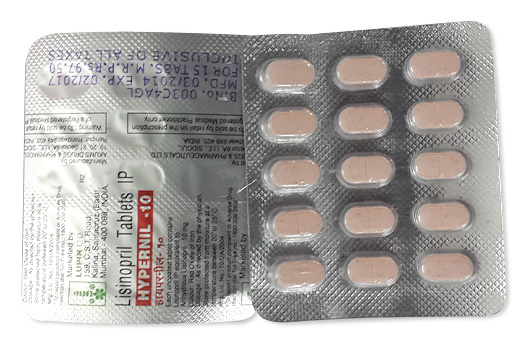
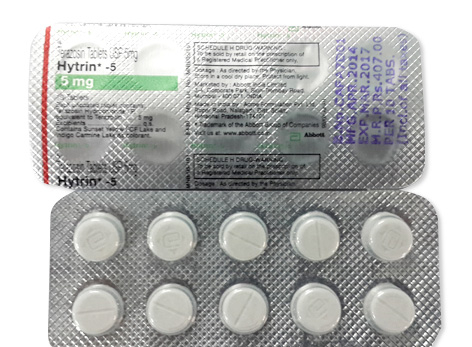


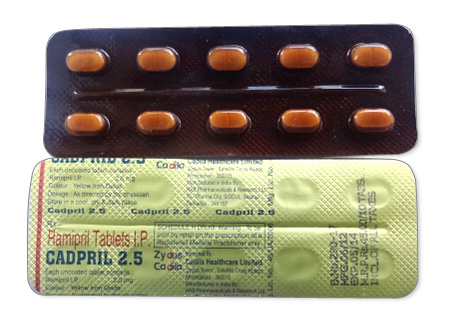
Basic Lisinopril Information
- INN (International Nonproprietary Name): Lisinopril
- Brand Names Available In United Kingdom: Zestril and generic lisinopril (AstraZeneca and various generic manufacturers)
- ATC Code: C09AA03
- Forms & Dosages: Oral Tablets (2.5 mg, 5 mg, 10 mg, 20 mg, 30 mg, 40 mg) and Oral Solution (1 mg/mL, Qbrelis — US market)
- Manufacturers In United Kingdom: AstraZeneca and multiple generic manufacturers supplying the UK market
- Registration Status In United Kingdom: Authorised and routinely listed in NHS formularies; nationally registered and used in primary and secondary care
- OTC / Rx Classification: Prescription-only (Rx)
Key Findings From Recent Trials
Major 2022–2025 Studies
Patients and prescribers often ask whether lisinopril remains best practice given new evidence.
Recent randomised controlled trials and pooled meta-analyses from 2022–2024 continued to support ACE inhibitors as first-line therapy for hypertension and post‑MI management.
Multiple high-quality RCTs included lisinopril among ACE inhibitors showing reductions in systolic blood pressure and comparable cardiovascular outcomes to other agents in the class.
Real-world cohort data from UK registries also contributed to the evidence base, particularly for heart‑failure hospitalisation reduction and renal protection in diabetes.
Main Outcomes
Pooled analyses reported average systolic blood pressure reductions of about 8–12 mmHg versus placebo in primary hypertension when lisinopril or other ACE inhibitors were used at guideline doses.
Registry data from the UK showed fewer heart‑failure admissions in patients established on lisinopril at standard maintenance doses.
In diabetic nephropathy, lisinopril used at 10–40 mg daily was associated with slowing of proteinuria progression and preservation of renal function in observational datasets.
Safety Observations
Safety signals in these recent datasets were consistent with longstanding knowledge of the class.
Persistent dry cough remains the most common tolerability issue, reported in up to around 10% in some cohorts.
First‑dose hypotension was observed in volume‑depleted patients or those on high‑dose diuretics.
Angioedema remains rare but clinically important; pharmacovigilance through 2024 showed stable reporting of angioedema and hyperkalaemia risks.
Hyperkalaemia risk was particularly notable when lisinopril was combined with mineralocorticoid receptor antagonists, potassium‑sparing diuretics or potassium supplements, and when used in chronic kidney disease.
Trends to watch through 2025 include growth in fixed‑dose combinations (for example with hydrochlorothiazide or amlodipine) and continued generic price competition since patent expiry.
Clinical Mechanism Of Action
Layman’s Explanation
Patients commonly want a simple picture of how lisinopril works.
Lisinopril is an ACE inhibitor that lowers blood pressure by blocking the enzyme that produces angiotensin II, a substance that tightens blood vessels.
As a result arteries relax, the heart works less hard, and the drug helps protect the kidneys in people with diabetes.
Scientific Breakdown
Lisinopril binds competitively to angiotensin‑converting enzyme (ACE), preventing the conversion of angiotensin I to angiotensin II.
Lower angiotensin II causes vasodilatation, reduced systemic vascular resistance and decreased aldosterone secretion.
Reduced aldosterone lowers sodium and water retention, which helps control blood pressure and reduce cardiac preload.
Renal haemodynamics improve through reduced intraglomerular pressure, which explains nephroprotective effects in diabetic nephropathy when used at 10–40 mg daily.
Pharmacokinetically, lisinopril has moderate oral bioavailability and is predominantly eliminated unchanged by the kidney, so dose adjustment is required in reduced creatinine clearance.
Onset of action occurs within hours, and steady state is achieved with once‑daily dosing.
Molecular Specifics
ACE inhibition also decreases breakdown of bradykinin, which is linked to the class effects of cough and, rarely, angioedema.
Clinical Implication
Monitor renal function and serum potassium within 1–2 weeks of initiation or dose change, and again periodically thereafter according to clinical risk.
Scope Of Approved And Off‑Label Use
United Kingdom Approvals
Common questions from patients centre on what lisinopril is licensed for in the UK.
Lisinopril is licensed and recommended in UK guidance for primary hypertension, heart failure and post‑myocardial infarction care.
It is also used for renal protection in diabetic nephropathy as part of guideline-directed therapy.
Available brands in the UK include Zestril and multiple generics supplied to NHS and private pharmacies.
Typical NHS starting dose for hypertension is 10 mg once daily, titrating as needed toward 20–40 mg once daily.
Notable Off‑Label Trends
Clinicians sometimes use lower starting doses in frail older patients, commonly 2.5–5 mg once daily, to reduce first‑dose hypotension risk.
In resistant hypertension, lisinopril is frequently combined with a thiazide diuretic or a calcium channel blocker, often using fixed‑dose products for adherence.
Practice varies by local formulary preference, so prescribers may choose lisinopril instead of ramipril or enalapril depending on cost and tolerability.
Use in children is limited and generally specialist‑supervised only.
ACE inhibitors are contraindicated in pregnancy due to teratogenic risk in the second and third trimesters and must be avoided in women planning pregnancy.
Dosage Strategy
General Dosing
A typical start for an adult with hypertension is 10 mg once daily, with maintenance usually 20–40 mg once daily and a maximum of 40 mg daily.
For elderly or volume‑depleted patients, initiate at 2.5–5 mg once daily and titrate slowly while monitoring blood pressure and renal function.
Renal impairment dosing is guided by creatinine clearance.
For CrCl ≥30 mL/min, usual dosing applies.
For CrCl 10–30 mL/min, start at 2.5–5 mg daily.
For CrCl <10 mL/min or patients on dialysis, begin at 2.5 mg daily and monitor closely.
Condition‑Specific Dosing
Hypertension: Start at 10 mg once daily and titrate to 20–40 mg based on response and tolerability.
Heart Failure: Begin at 2.5–5 mg once daily and up‑titrate cautiously to 40 mg if tolerated.
Post‑MI: Early low‑dose initiation is advised, for example 5 mg once daily, with maintenance commonly 10 mg once daily after 48 hours if stable.
Diabetic Nephropathy: Often 10–20 mg once daily, titrated to the clinical effect on proteinuria and blood pressure.
Titration & Monitoring
Check blood pressure, renal function (serum creatinine and eGFR) and serum potassium within 1–2 weeks of starting or changing dose.
Adjust dose according to the clinical response and laboratory results, and repeat monitoring more frequently in CKD or when combined with diuretics or MRAs.
Safety Protocols
Contraindications
Absolute contraindications include known hypersensitivity to lisinopril or other ACE inhibitors, previous ACE‑inhibitor angioedema, pregnancy in the second or third trimester, and bilateral renal artery stenosis.
Exercise caution in severe renal impairment, aortic stenosis or hypertrophic cardiomyopathy, and collagen vascular disease because of neutropenia risk.
Adverse Effects
Common adverse effects include a persistent dry cough, dizziness, headache, fatigue and gastrointestinal upset.
First‑dose hypotension can be significant in dehydrated or diuretic‑treated patients.
Serious but rare events are angioedema, profound hypotension, acute renal failure, neutropenia or agranulocytosis, and hyperkalaemia.
Management principles: stop the drug for angioedema and seek urgent care, treat hypotension with fluids and supportive measures, and correct hyperkalaemia as clinically indicated.
UK practice recommends baseline creatinine and potassium before initiation and repeat tests 1–2 weeks after starting or increasing dose.
Interaction Mapping
Food Interactions
Lisinopril has no major food interactions, but maintain a consistent dietary salt intake because high sodium intake can blunt ACE inhibitor effectiveness.
Avoid potassium supplements or salt substitutes containing potassium unless potassium is being monitored.
Drug Combinations To Avoid
Combining lisinopril with potassium‑sparing diuretics, potassium supplements or MRAs raises the risk of hyperkalaemia and should be monitored closely or avoided where possible.
Long‑term use of non‑steroidal anti‑inflammatory drugs (NSAIDs) may blunt the antihypertensive effect and increase renal risk, especially in volume‑depleted or CKD patients.
Dual blockade of the renin‑angiotensin‑aldosterone system (ACE inhibitor plus ARB or aliskiren) is discouraged due to higher risk of renal adverse events and hyperkalaemia.
Diuretics can precipitate first‑dose hypotension; consider holding high‑dose diuretics before starting lisinopril in selected patients.
Lithium levels may rise when combined with ACE inhibitors so monitor lithium if co‑prescribed.
UK Prescribing Tip
Always check the BNF and local formulary for interaction alerts and preferred alternatives when prescribing lisinopril.
Patient Experience Analysis
Survey Data
UK primary‑care audits and patient surveys show good adherence to lisinopril when the drug is tolerated.
The most common reason for stopping treatment is cough, followed by symptomatic hypotension or dizziness.
Once‑daily dosing and fixed‑dose combinations improve adherence compared with multiple‑pill regimens.
Patients achieving blood pressure control report improvements in shortness of breath and activity tolerance when used for heart failure.
Forum Trends
Social listening on UK forums reveals frequent, consistent reports of dry cough after initiation and questions about switching to an ARB such as losartan when cough is intolerable.
Positive experiences focus on symptom relief in heart failure and easy access to generics via NHS prescriptions.
Women of childbearing potential commonly ask about pregnancy safety and contraception, given teratogenic warnings.
Clinicians on professional forums emphasise the importance of counselling patients about angioedema symptoms and arranging baseline blood tests.
Distribution And Pricing Landscape
Market Distribution
Lisinopril is widely available across the UK as branded Zestril and as generics supplied to NHS hospitals and community pharmacies.
Global manufacturers that feed the UK market include AstraZeneca and multiple generic suppliers, with API production in several countries.
Combination products such as lisinopril/hydrochlorothiazide and lisinopril/amlodipine are commonly stocked to improve adherence.
Pricing
Since patent expiry decades ago, lisinopril is low cost and generics dominate supply chains in the UK.
NHS reimbursement and tendering keep prices low for prescribers and patients on NHS prescriptions.
Private or online retail prices vary by pack size and strength, but lisinopril remains one of the more affordable antihypertensives.
Ensure authenticity by sourcing from MHRA‑approved suppliers and checking batch numbers on receipt.
Alternative Options
Comparison Table
When lisinopril is unsuitable, clinicians usually choose an alternative from the same class or a different drug class.
Other ACE inhibitors such as ramipril, enalapril and perindopril have similar efficacy; choice is influenced by half‑life, formulary position and patient tolerability.
ARB class drugs, including losartan and valsartan, offer comparable blood pressure control and renal protection with lower rates of cough and angioedema, so they are preferred when ACE inhibitor intolerance occurs.
Calcium channel blockers, beta‑blockers and diuretics remain important alternatives or add‑ons depending on comorbidity and NICE guidance.
Pros And Cons
Pros of lisinopril include once‑daily dosing, robust evidence across hypertension, heart failure, post‑MI and diabetic nephropathy, and widespread low‑cost generic availability in the UK.
Cons include the risk of cough leading to discontinuation in a minority, teratogenicity in pregnancy, and the need for renal and potassium monitoring.
Clinical Decision Points
If a patient develops a troublesome cough or angioedema, switch to an ARB such as losartan after clinical review.
If hyperkalaemia or progressive CKD limits ACE inhibitor use, consider diuretic adjustment or alternative antihypertensive classes under specialist advice.
Regulatory Status
Lisinopril (INN) is authorised across the UK and EU and is routinely available as Zestril and generic formulations listed in NHS formularies.
EMA and MHRA guidance align with established indications and monitoring recommendations for ACE inhibitors.
Globally, lisinopril was FDA‑approved historically and the oral solution Qbrelis is approved in the US market.
The drug is prescription‑only in all major markets and combination products carry separate approvals and labelling.
Prescribers in the UK should follow BNF, NICE and MHRA updates, especially on pregnancy contraindications and monitoring requirements.
Consolidated FAQ
Common Patient Questions
Can I take lisinopril during pregnancy?
No. Lisinopril is contraindicated in the second and third trimesters and should be stopped if pregnancy is suspected.
What if I develop a cough?
A persistent dry cough is a recognised ACE inhibitor effect and you should discuss switching to an ARB such as losartan with your clinician.
Is monitoring needed?
Yes. Obtain baseline renal function and potassium and repeat tests within 1–2 weeks after starting or changing the dose.
What strengths are available?
Tablets commonly come in 2.5–40 mg strengths, and a 1 mg/mL oral solution (Qbrelis) is available in the US.
Clinical Clarifications
Avoid dual RAAS blockade with an ARB or aliskiren because of increased risk of renal adverse events and hyperkalaemia.
Adjust doses for renal impairment and avoid lisinopril in patients with prior ACE‑inhibitor angioedema.
Always follow local guidance in the BNF and NHS formularies when prescribing.
Visual Guide
Key Visual Elements
Useful clinic materials include a mechanism schematic showing ACE inhibition leading to reduced angiotensin II and vasodilation.
A dosing flowchart for initiation and titration speeds up safe prescribing in primary care.
A simple monitoring timeline highlighting baseline bloods and a 1–2 week check helps patients understand follow‑up.
Patient Handout Essentials
Provide a plain‑English description of benefits such as blood pressure control, heart protection and renal benefits for diabetes.
List common side effects — cough, dizziness — and urgent red flags such as facial swelling or difficulty breathing that require immediate care.
Include a monitoring schedule: baseline blood tests, review at 1–2 weeks, then periodic checks depending on comorbidity.
Clinician Visual Aids
A prescribing checklist is valuable: confirm pregnancy status, review interacting medicines (NSAIDs, potassium agents), and check renal function before issuing a prescription.
Storage And Transport
Storage Recommendations
Store lisinopril tablets at controlled room temperature, typically 15–30°C, protected from moisture and light.
Keep medicines in their original blister or bottle and do not freeze them.
For the oral solution, follow manufacturer guidance and discard after 30 days when directed.
Transport And Dispensing Notes
Ambient shipping is acceptable for tablets, but packaging should protect from moisture and temperature extremes.
Pharmacies should check batch numbers and expiry dates on receipt and counsel patients about pregnancy contraindication and monitoring.
Disposal
Advise patients to return unused medicines to the pharmacy for safe disposal rather than household waste.
Guidelines For Proper Use
Initiation Checklist
Confirm the indication and pregnancy status in women of childbearing potential.
Obtain baseline blood pressure, serum creatinine or eGFR and potassium before starting.
Review current medications for NSAIDs, potassium supplements, MRAs and high‑dose diuretics that may interact.
Consider holding high‑dose diuretics before initiation in patients at risk of first‑dose hypotension.
Start the appropriate dose: typically 10 mg for hypertension and 2.5–5 mg for frail or elderly patients.
Long‑Term Monitoring
Review blood pressure and adherence regularly and repeat renal function and potassium 1–2 weeks after initiation or dose change.
Continue periodic monitoring tailored to CKD stage and comorbidity, and titrate to reach NICE‑recommended blood pressure targets up to 40 mg daily as tolerated.
Educate patients to report cough, facial swelling, dizziness or reduced urine output promptly.
Delivery Across United Kingdom
| City | Region | Delivery Time |
|---|---|---|
| London | Greater London | 5-7 days |
| Birmingham | West Midlands | 5-7 days |
| Manchester | Greater Manchester | 5-7 days |
| Glasgow | Scotland | 5-7 days |
| Leeds | West Yorkshire | 5-7 days |
| Liverpool | Merseyside | 5-7 days |
| Sheffield | South Yorkshire | 5-7 days |
| Bristol | South West England | 5-7 days |
| Edinburgh | Scotland | 5-9 days |
| Newcastle Upon Tyne | North East England | 5-9 days |
| Nottingham | Nottinghamshire | 5-9 days |
| Leicester | Leicestershire | 5-9 days |
| Coventry | West Midlands | 5-9 days |
Additional Practical Notes
A short patient story helps make the guidance real.
A 72‑year‑old man started lisinopril 2.5 mg because he was on a loop diuretic and had low baseline volume.
He returned after five days with lightheadedness and a creatinine rise, the dose was held and fluids given, and after adjustment a lower maintenance dose was tolerated safely.
That example shows why initial monitoring at 1–2 weeks is sensible for many patients, especially the elderly and those on diuretics.
In our online pharmacy, lisinopril is available on prescription, with discreet delivery to United Kingdom in 5-14 days.
Summary And Practical Takeaway
Lisinopril remains a well‑established ACE inhibitor for hypertension, heart failure, post‑MI management and diabetic nephropathy in the UK setting.
Start most adults at 10 mg daily for hypertension and use lower initial doses for frail or volume‑depleted patients.
Monitor renal function and potassium 1–2 weeks after initiation and on dose changes, and counsel patients about cough, angioedema and pregnancy risk.
If cough or angioedema occurs, switch to an ARB such as losartan after clinical review.
Use fixed‑dose combinations when adherence is a concern and consult local formularies for preferred products and pricing.
Always prescribe and dispense according to UK guidance, the BNF and MHRA recommendations.