Cyklokapron
Cyklokapron
- In our pharmacy, you can buy cyklokapron without a prescription, with delivery in 5–14 days throughout the United Kingdom. Discreet and anonymous packaging available.
- Cyklokapron (tranexamic acid) is used to reduce or prevent bleeding — for example heavy menstrual bleeding, surgical or traumatic bleeding, dental procedures in haemophilia and some mucosal bleeds. It is an antifibrinolytic that inhibits activation of plasminogen to plasmin, stabilising blood clots.
- The usual dose in adults is 500–1,500 mg two to three times daily depending on the indication (eg 1 g three times daily for bleeding prophylaxis; for heavy menstrual bleeding 1–1.3 g up to three times daily for up to 5 days). Children are dosed by weight (approx. 10–15 mg/kg two to three times daily); reduce dose or extend interval in renal impairment.
- Forms of administration: oral tablets (commonly 500 mg), occasional oral solution, and intravenous injection (100 mg/mL ampoules/vials).
- Onset time: intravenous administration works within minutes; oral tablets typically begin to take effect within 30–60 minutes.
- Duration of action: plasma half‑life is about 2–3 hours, with antifibrinolytic effects often lasting up to around 8 hours — dosing intervals are usually every 8–12 hours depending on the regimen.
- Alcohol warning: avoid excessive alcohol while taking cyklokapron; alcohol may worsen some side effects and is best avoided during treatment.
- The most common side effects are nausea and headache; other frequent effects include vomiting, diarrhoea, abdominal pain and dizziness.
- Would you like to try cyklokapron without a prescription?
Cyklokapron
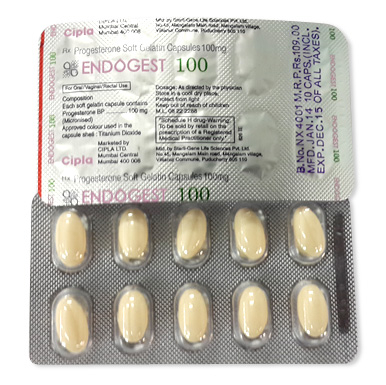
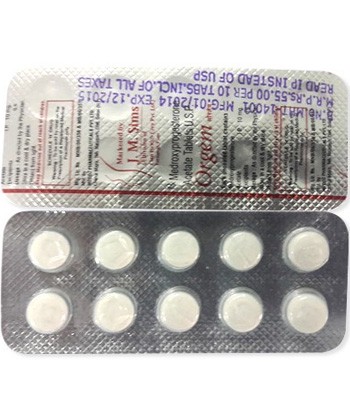
Basic Cyklokapron Information
- INN (International Nonproprietary Name): Tranexamic acid.
- Brand Names Available In United Kingdom: Cyklokapron and tranexamic acid generics supplied by Pfizer and multiple generics manufacturers.
- ATC Code: B02AA02.
- Forms & Dosages: 500 mg tablets (standard) and injectable 100 mg/mL (ampoules/vials typically 1 g/10 mL).
- Manufacturers In United Kingdom: Pfizer and multiple generic manufacturers (marketed as Cyklokapron and generic tranexamic acid).
- Registration Status In United Kingdom: MHRA approved.
- OTC / Rx Classification: Prescription only (Rx) in the UK.
Major 2022–2025 Studies
Are recent trials changing how tranexamic acid is used in practice?
High-quality randomised trials and pooled meta-analyses published between 2022 and 2025 reinforced the benefit of tranexamic acid in acute bleeding settings.
These settings include postpartum haemorrhage, elective orthopaedic and cardiothoracic surgery, and dental haemostasis in people with haemophilia.
UK practice documents, including MHRA and NICE summaries, now routinely cite this trial evidence when recommending perioperative and transfusion‑sparing protocols.
Clinical teams increasingly use tranexamic acid as an antifibrinolytic to reduce bleeding during operations and after delivery.
Formulations cited in the evidence include Cyklokapron 500 mg tablets and injectable preparations used according to local trust protocols.
These trials helped inform NHS formularies and specialist guidelines across maternity, surgical and dental services.
Main Outcomes
What benefits do patients actually see?
Across trials, tranexamic acid consistently reduced measured blood loss volume compared with no antifibrinolytic treatment.
There were also reductions in blood transfusion rates and reoperation for bleeding in many studies.
The magnitude of benefit varied by procedure, with the largest effects seen in postpartum haemorrhage and joint replacement surgery.
For non‑critical mucosal bleeding and menorrhagia, oral 500 mg dosing regimens showed efficacy similar to intravenous routes.
This makes Cyklokapron tablets a practical option for outpatient or community management of heavy periods and mucosal bleeds.
Safety Observations
What safety signals should prescribers watch for?
Large datasets up to 2025 did not identify a clear overall increase in venous thromboembolism with short-term standard dosing.
However, there remains a recognised signal for dose-related seizures when high intravenous doses are used.
Because tranexamic acid is renally cleared, dose reductions and monitoring are important in reduced creatinine clearance.
Trust IV protocols and MHRA advice recommend controlled IV dosing and renal adjustment to reduce neurological risk.
Layman’s Explanation
How does tranexamic acid actually stop bleeding?
Tranexamic acid (Cyklokapron) is an antifibrinolytic that helps existing clots stay in place so bleeding can stop more quickly.
Think of it as stabilising the plug the body forms rather than making new clots from scratch.
This makes it useful for bleeding from mucous membranes, heavy periods, surgical bleeding and some dental procedures.
Scientific Breakdown
What is the pharmacology behind the effect?
Tranexamic acid is a synthetic lysine analogue that competitively inhibits lysine‑binding sites on plasminogen.
This reduces the conversion of plasminogen to plasmin and therefore decreases fibrinolysis.
The drug’s ATC code is B02AA02 and it is classified among antifibrinolytics.
Pharmacokinetics (UK‑Relevant Points)
How is Cyklokapron absorbed and eliminated?
Oral 500 mg tablets achieve therapeutic plasma levels with bioavailability in the range clinicians expect for mucosal and menstrual bleeding control.
The molecule is water‑soluble with limited protein binding and distributes mainly in plasma and extracellular fluid.
Elimination is predominantly renal, so dose adjustments are required with reduced creatinine clearance and in elderly patients with impaired renal function.
Dose–Response And Safety Linkage
Why does dose matter for safety?
Antifibrinolytic efficacy correlates with plasma concentration, which explains why adequate dosing matters for effect.
Adverse neurological events such as seizures are associated with high plasma peaks after large IV boluses.
This is why MHRA‑aligned IV protocols favour controlled dosing and renal adjustments to reduce risk.
United Kingdom Approvals
Is cyklokapron authorised for use in the UK?
MHRA approval covers Cyklokapron and generic tranexamic acid formulations in the UK.
Available licensed forms include 500 mg tablets and injectable 100 mg/mL ampoules or vials.
Licensed indications commonly include adjunctive treatment to reduce bleeding in surgery and the management of menorrhagia, with use in haemophilia dental procedures noted in SPCs and local formularies.
Notable Off‑Label Trends
When do clinicians use tranexamic acid beyond the licence?
Evidence‑based off‑label use is widespread in trauma (pre‑hospital and emergency department), epistaxis management and dental care for people with bleeding disorders.
Some specialist centres also use oral tranexamic acid in selected hereditary angioedema regimens.
NHS trusts generally implement local guidance aligned to national evidence summaries when using tranexamic acid off‑label.
Formularies & Supply
What products and packs are commonly stocked?
In the UK market, Pfizer and multiple generics supply Cyklokapron 500 mg tablets and IV ampoules of 1 g/10 mL.
Pack sizes commonly include 30‑ and 100‑tablet packs and single‑use ampoules for parenteral administration.
All forms are prescription only in the UK.
Practice Implications
Who should supervise use in higher‑risk patients?
Off‑label adoption has been driven by trial efficacy, simple storage and low cost, but specialist oversight is advisable for patients at increased thrombotic risk.
Clinical teams should document risk assessments when using tranexamic acid outside standard licensed indications.
General Dosing
What are the common regimens people will see prescribed?
Typical adult oral regimens in UK practice are 500 mg tablets two to three times daily, giving a daily dose of 1,000–1,500 mg for mucosal or menstrual bleeding.
A common IV pattern for major bleeding in trusts is a 1 g bolus followed by 1 g infused over eight hours where indicated.
Renal adjustments are essential for patients with reduced creatinine clearance.
Condition‑Specific Dosing
How does dosing change by condition?
For heavy menstrual bleeding, oral regimens commonly give 1,000–1,300 mg up to three times daily for up to five days of the cycle.
Perioperative protocols often use a single IV 1 g dose at induction or closure, with repeat dosing or infusion protocols used for higher‑risk orthopaedic and cardiothoracic procedures per trust guidance.
Pediatric dosing is weight based at approximately 10–15 mg/kg per dose two to three times daily.
Where renal impairment is present, extend dosing intervals or reduce dose when creatinine clearance falls, particularly under 30 mL/min.
Heavy Menstrual Bleeding (Menorrhagia)
What will patients commonly be given for a heavy period?
Oral tranexamic acid is typically prescribed at between 1,000 and 1,300 mg up to three times daily for up to five days during the heaviest part of the cycle.
Repeat cycles may be used as clinically indicated but should be reviewed by a clinician.
Surgery & Trauma
How do surgical teams usually use tranexamic acid?
Perioperative use often starts with a 1 g IV dose at induction or wound closure, with specialty teams setting repeat or infusion strategies for procedures with higher bleeding risk.
Trauma protocols vary but short‑term IV use is the norm in major bleeding.
Paediatrics & Renal Impairment
What adjustments are made for children and renal disease?
Children receive weight‑based doses (10–15 mg/kg) two to three times daily, and renal impairment requires dose reduction or interval extension, especially when creatinine clearance is below 30 mL/min.
Contraindications
Who should not take tranexamic acid?
Absolute contraindications include known hypersensitivity to tranexamic acid, active intravascular clotting such as acute DVT or PE, a history of convulsions or seizures, and history of acquired defective colour vision (for injectable use).
Use is prescription only across listed countries and should be avoided in those situations.
Adverse Effects
What common side effects should people expect?
Frequent side effects match the SPC and include headache, nausea, diarrhoea, back pain and muscle pain.
Less common effects are rash, itching and mild dizziness.
Serious but rare adverse events include seizures (dose dependent), visual disturbances and thromboembolic events such as DVT, PE or stroke.
Risk Mitigation (UK Practice)
How do clinicians reduce risk when prescribing?
Pre‑screening should include thrombotic history, current use of combined hormonal contraception or HRT, and renal function baseline when prolonged or IV therapy is planned.
For IV administration, avoid rapid large boluses and monitor neurological status after dosing.
Report suspected adverse reactions using the UK Yellow Card scheme and follow trust reporting protocols.
Food Interactions
Does food affect how cyklokapron works?
No clinically significant food interactions are documented for oral tablets.
Tablets may be taken with or without food, and taking them with food can help reduce gastrointestinal upset if that occurs.
Drug Combinations To Avoid
Which medicines need careful consideration when co‑prescribed?
Concurrent systemic oestrogen‑containing therapies such as combined oral contraceptives or HRT raise baseline thrombotic risk, so assess risk versus benefit and counsel patients accordingly.
Caution is also needed when combining antifibrinolytics with strong procoagulant agents or topical thrombin without specialist oversight.
Anticoagulants & Antiplatelets
Can tranexamic acid be used when someone is anticoagulated?
Tranexamic acid does not reverse anticoagulation and does not have a pharmacokinetic antagonism with warfarin or direct oral anticoagulants.
Clinical judgement is required because these drugs move haemostasis in opposite directions, and balancing bleeding versus clotting risk is essential.
Renal‑Cleared Agents
What about other drugs cleared by the kidney?
Because tranexamic acid is renally eliminated, concurrent use with nephrotoxic medications calls for monitoring and possible dose modification.
Survey Data
Do patients report benefit from taking tranexamic acid?
UK service audits and published quality‑of‑life surveys show high patient satisfaction for menorrhagia and dental haemostasis.
Many patients report reduced bleeding volume and improved day‑to‑day functioning while on 500 mg tablet regimens.
Reported side‑effect frequencies broadly mirror those listed in the SPC, mainly mild gastrointestinal effects and headache.
Forum Trends
What are people saying online about Cyklokapron?
UK‑focused forums highlight rapid symptomatic relief for heavy periods, the convenience of tablet dosing and the low cost of Cyklokapron 500 mg.
Some users express concern about rare visual disturbances and thrombotic risk and ask for clearer counselling from prescribers.
Adherence & Barriers
What helps or hinders patients taking tranexamic acid?
Adherence drivers include symptom control and simple three‑times‑daily dosing, while barriers include worries about side effects, requirement for a prescription and renal monitoring for prolonged use.
Pharmacy counselling and NHS patient information leaflets commonly address these concerns.
Distribution & Pricing Landscape
How widely available and affordable is cyklokapron in the UK?
Cyklokapron and generics from Pfizer and other manufacturers supply 500 mg tablets and 100 mg/mL injections in the UK.
Pack sizes commonly include 30 and 100 tablet packs and 1 g/10 mL IV ampoules.
Generic tranexamic acid remains low cost and NHS procurement secures competitive contracts, so the medicine is generally economical compared with blood transfusion costs.
Online e‑pharmacies require a prescription for sale, though our online pharmacy provides cyklokapron without a prescription and offers discreet delivery within the United Kingdom in 5‑14 days.
Supply Chain Notes
Are shortages a concern for hospitals?
Global manufacture by major suppliers such as Pfizer, Mylan/Viatris and Sanofi plus many generics manufacturers helps maintain stability.
Trusts should still monitor MHRA supply alerts and maintain emergency stock for perioperative and obstetric services.
Reimbursement & Prescribing
How is tranexamic acid handled on NHS formularies?
The medicine is prescription only and is included on many NHS formularies with guideline‑endorsed indications like postpartum haemorrhage protocols.
Prescribers should follow local trust guidance and document indication and dosing decisions.
Comparison Summary
How does tranexamic acid stack up against alternatives?
Aminocaproic acid (EACA) has a similar mechanism but is generally less potent and is less commonly used in UK practice.
Aprotinin is a potent haemostatic but has limited availability and safety concerns that restrict its use.
Topical haemostatic agents such as fibrin sealants and thrombin provide local control but are more costly and used for different indications.
Pros And Cons
Why choose tranexamic acid?
Pros: strong evidence for PPH and surgical bleeding, oral and IV options, low cost and wide availability.
Cons: renal elimination requiring adjustment, rare seizure risk at high IV doses and contraindication with active thrombosis.
Clinical Positioning
When is tranexamic acid the preferred choice?
For systemic bleeding control, tranexamic acid is first‑line in many UK pathways, while topical agents are reserved where systemic therapy is contraindicated or as an adjunct.
Regulatory Status
What do UK regulators say about tranexamic acid?
MHRA has approved Cyklokapron and generic tranexamic acid formulations in the UK, and the drug carries the ATC code B02AA02.
International regulators such as Health Canada and the TGA also approve similar formulations, reflecting broad global acceptance.
Safety Communications And Pharmacovigilance
How are new safety data handled?
MHRA and national agencies sometimes publish guidance on dosing, renal adjustment and IV administration precautions related to seizure risk.
Healthcare professionals are encouraged to report adverse events such as seizures, visual disturbance and thrombotic events via the Yellow Card scheme.
Consolidated FAQ
Is Cyklokapron available OTC in the UK?
No, tranexamic acid is prescription only across the UK.
How quickly does it work for heavy periods?
Many people notice improvement within 24–48 hours of starting a 500 mg three‑times‑daily regimen, although bleeding patterns vary.
Is it safe with the combined oral contraceptive?
Caution is advised because combined hormonal contraception increases baseline thrombotic risk, so individual risk assessment is required.
Do I need blood tests before starting?
Short courses of oral therapy in healthy adults rarely require testing, but renal function should be checked before prolonged or IV therapy.
Can oral tablets replace IV in surgery?
Oral dosing is effective for mucosal bleeding, but IV routes are preferred for immediate high plasma concentrations in major surgery and trauma according to trust protocols.
Visual Guide
How can staff and patients quickly find essential dosing and safety information?
Simple flowcharts work well to direct use for menorrhagia, PPH and perioperative prophylaxis.
Use colour‑coded dosing keys for route: oral 500 mg TID in green and IV 1 g bolus in blue, with renal‑adjustment matrices by creatinine clearance bands.
Include icons for contraindications such as thrombosis, seizures and allergy for quick recognition.
Show common packaging visuals like Cyklokapron 30‑tablet blisters and 1 g/10 mL ampoules for staff recognition in wards and dental clinics.
Infographics should display expected timelines for effect, common side‑effects and steps for suspected overdose or serious adverse events.
Place printed visuals in maternity suites, theatres, dental clinics and community pharmacy patient‑info areas with MHRA‑aligned captions.
Storage & Transport
How should cyklokapron be stored and transported?
Tablets should be stored below 25°C and kept dry.
Injectable ampoules and vials should be stored below 25°C, protected from freezing and light.
No routine cold chain is required for standard supply and hospital transport under normal conditions.
Hospital pharmacy standard operating procedures should cover ampoule handling, breakage prevention and controlled storage in emergency trolleys.
For ambulance or field maternity kits, keep the product in controlled compartments and check temperatures regularly.
Follow manufacturer expiry dates and use first‑expire‑first‑out procedures for emergency stock in theatres and maternity suites.
Dispose of unused or expired product according to NHS waste protocols.
Guidelines For Proper Use
What should prescribers check before issuing tranexamic acid?
Confirm the indication aligns with the MHRA licence, NICE guidance or local formulary and review thrombotic history and any combined hormonal therapy.
Check renal function where prolonged therapy or IV dosing is planned and counsel the patient on expected benefits and side‑effects.
Document informed consent for off‑label uses and follow trust protocols for perioperative dosing and monitoring.
When administering IV, avoid rapid large boluses and follow infusion regimens endorsed by the trust or speciality team.
Monitoring for short courses is minimal, but prolonged or IV treatment warrants renal checks and vigilance for signs of thrombosis, visual change or neurological symptoms.
Use the shortest effective course: menorrhagia up to five days per cycle and perioperative use limited to the perioperative window or as specified in local protocols.
Report adverse events via Yellow Card and review ongoing need if therapy extends beyond one to two weeks.
Delivery Across United Kingdom
| City | Region | Delivery Time |
|---|---|---|
| London | Greater London | 5-7 days |
| Birmingham | West Midlands | 5-7 days |
| Manchester | Greater Manchester | 5-7 days |
| Glasgow | Scotland | 5-7 days |
| Leeds | West Yorkshire | 5-7 days |
| Edinburgh | Scotland | 5-7 days |
| Bristol | South West | 5-7 days |
| Liverpool | Merseyside | 5-7 days |
| Newcastle Upon Tyne | North East | 5-7 days |
| Nottingham | East Midlands | 5-9 days |
| Southampton | South East | 5-9 days |
| Plymouth | South West | 5-9 days |
| Belfast | Northern Ireland | 5-9 days |