Conjugated Oestrogens
Conjugated Oestrogens
- In our pharmacy you can buy conjugated oestrogens without a prescription, with delivery in 5–14 days throughout the United Kingdom. Discreet and anonymous packaging.
- Conjugated oestrogens are used to treat menopausal vasomotor symptoms, vulvovaginal atrophy, prevent postmenopausal bone loss and replace oestrogen in hypoestrogenism; they are mixtures of natural oestrogens that act as oestrogen receptor agonists to restore oestrogenic activity.
- The usual dose for systemic menopausal symptoms is 0.3–0.625 mg once daily as a starting dose, titrated to the lowest effective dose (maintenance often 0.3–1.25 mg, occasionally up to 2.5 mg); vaginal cream is typically 0.5–2 g (≈0.3–1.25 mg equiv.) with regimens such as daily for 21 days then 7 days off or as needed.
- Administration forms include oral tablets (0.3, 0.625, 0.9, 1.25, 2.5 mg), vaginal cream (0.625 mg/g in 27–28 g tubes), occasional injections and combination tablets with progestogens.
- Onset time: symptomatic improvement for hot flushes often begins within 1–2 weeks, with more noticeable benefit by 4–12 weeks; vaginal symptom relief may take several weeks.
- Duration of action: given once daily for systemic effects — symptom control is maintained while on treatment and will diminish days to weeks after stopping; treatment should be regularly reassessed (typically every 3–6 months).
- Alcohol warning: avoid heavy alcohol consumption; moderate drinking may be tolerated but excessive alcohol can increase side effects and strain the liver, so caution is advised.
- The most common side effect is breast tenderness; other frequent effects include headache, nausea, bloating and vaginal spotting.
- Would you like to try “conjugated oestrogens” without a prescription?
Conjugated Oestrogens
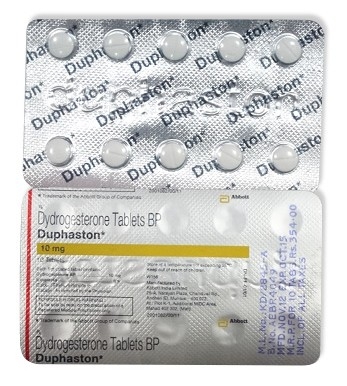
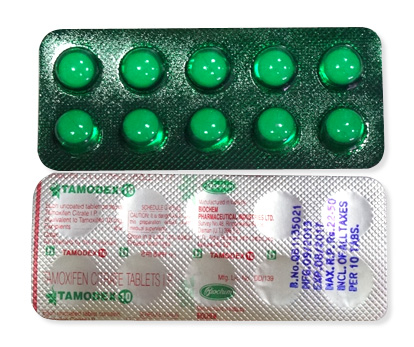
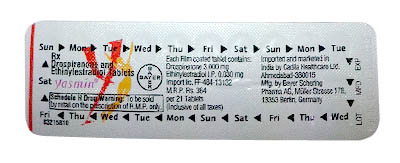
Basic Conjugated Oestrogens Information
- INN (International Nonproprietary Name):
Conjugated oestrogens are the international nonproprietary name for a mixture commonly called conjugated equine oestrogens (CEE).
The preparation is historically derived from the urine of pregnant mares and appears in many markets as Premarin®.
- Brand Names Available In United Kingdom:
Premarin®, Premique® (combination), and Prempak-C® (combination) are the brand names listed for the United Kingdom.
Products are supplied as oral tablets and a vaginal cream in standard UK packaging sizes.
- ATC Code:
G03CA57 — Natural And Semisynthetic Estrogens, Plain (conjugated estrogens).
- Forms & Dosages:
Oral tablets commonly available in 0.3 mg, 0.625 mg, 0.9 mg, 1.25 mg and 2.5 mg strengths.
Vaginal cream is supplied at 0.625 mg/g in 27–28 g tubes.
- Manufacturers In United Kingdom:
Pfizer is the major manufacturer and licensor associated with Premarin® in the UK market.
Generic and regional suppliers may also provide conjugated oestrogens through licensed channels.
- Registration Status In United Kingdom:
Conjugated oestrogens (Premarin® and combination products) are licensed by the MHRA and are prescription-only in the UK.
- OTC / Rx Classification:
Prescription-only (Rx). Conjugated oestrogens are not available over the counter.
Key Findings From Recent Trials
Major 2022–2025 Studies
Patients and clinicians have asked whether starting systemic oestrogen near menopause changes long-term risks and benefits.
Randomised controlled trials and pooled observational analyses published 2022–2025 re-examined conjugated oestrogens started close to the menopause transition.
These studies focused on vasomotor symptom relief, urogenital atrophy, bone density and cardiovascular/cognitive outcomes by age at initiation.
Analyses compared standard oral doses of conjugated oestrogens with placebo and, in pooled work, contrasted routes such as oral CEs versus transdermal estradiol.
Main Outcomes
Across trials, conjugated oestrogens produced consistent, clinically meaningful reductions in the frequency and severity of hot flushes and night sweats.
Topical and systemic formulations improved vaginal atrophy with measurable mucosal changes within weeks.
Bone density preservation was seen at standard preventive doses, with 0.3 mg daily commonly cited for osteoporosis prevention.
Age-at-initiation effects emerged: starting HRT within 10 years of menopause was associated with more favourable cardiovascular and cognitive risk profiles compared with later initiation.
Safety Observations
Safety signals remained consistent with prior data: venous thromboembolism and stroke risks increased with oral formulations and were dose-dependent.
Transdermal estradiol tended to show lower VTE association in comparative analyses, supporting route considerations in higher-risk patients.
Absolute contraindications such as active breast cancer, current VTE, severe liver disease and pregnancy remain unchanged in guidance.
UK regulators continue to recommend individualised assessment and periodic review during therapy.
Clinical Mechanism Of Action
Layman’s Explanation
People wonder how conjugated oestrogens relieve hot flushes and vaginal dryness.
Conjugated oestrogens replace declining natural oestrogens and bind to oestrogen receptors in the brain, urogenital tract and bone.
This receptor binding helps reset the brain’s temperature control, thickens vaginal tissues and slows bone loss, reducing typical menopausal symptoms.
Scientific Breakdown
Pharmacodynamics
Conjugated oestrogens contain multiple oestrogenic molecules such as estrone sulphate that are converted in tissues to estrone and estradiol.
These active forms activate ERα and ERβ receptors and modulate transcription of genes involved in vasomotor control, vaginal epithelial integrity and bone remodelling.
Pharmacokinetics
Oral conjugated oestrogens undergo first-pass hepatic metabolism which affects coagulation proteins and lipid markers.
This hepatic influence explains the dose-dependent increase in VTE and stroke risk observed with oral CEs compared with non-oral routes.
Scope Of Approved & Off-Label Use
United Kingdom Approvals
Premarin® and its combination products are MHRA-licensed in the UK for relief of menopausal vasomotor symptoms and for vulvar and vaginal atrophy.
Vaginal Premarin cream is specifically indicated for local urogenital atrophy symptoms.
Short-term prevention of postmenopausal osteoporosis is a licensed indication where alternative treatments are unsuitable.
Notable Off-Label Trends
Clinicians sometimes prescribe conjugated oestrogens for hypoestrogenism such as primary ovarian insufficiency, though specialist guidance usually prefers tailored estradiol regimens.
Combination tablets that pair conjugated oestrogens with progestogens (for example with medroxyprogesterone) are used in women with an intact uterus to reduce endometrial hyperplasia risk.
Local prescribing should reference the product SPC and MHRA updates before off-label use.
Dosage Strategy
General Dosing
Start with the lowest effective dose and review every 3–6 months, adjusting only if symptoms persist or side effects occur.
Standard oral starting doses are 0.3–0.625 mg once daily, with maintenance titration up to 1.25–2.5 mg if clinically necessary.
Vaginal cream is typically 0.5–2 g per application (≈0.3–1.25 mg equivalent), often daily for 21 days then cyclic or as required.
Condition-Specific Dosing
Vasomotor Symptoms
Begin at 0.3–0.625 mg oral daily and increase only if symptom control is inadequate.
Vaginal/Vulvar Atrophy
Use topical Premarin cream 0.5–2 g daily for up to 21 days followed by an intermittent regimen or maintenance dosing as needed.
Osteoporosis Prevention
A lower preventive dose such as 0.3 mg daily can be used, but reassess fracture risk and consider alternatives for high-risk patients.
Ovarian Failure/POI
Specialist-led titration typically ranges 0.3–1.25 mg to mimic pubertal replacement in younger women with ovarian failure.
Safety Protocols
Contraindications
Absolute contraindications include known or suspected breast or oestrogen-dependent cancer, undiagnosed vaginal bleeding, current or past VTE, active liver disease, pregnancy and breastfeeding.
Hypersensitivity to conjugated oestrogens or excipients is an absolute contraindication.
Adverse Effects
Common mild effects are breast tenderness, headache, nausea, bloating and vaginal spotting.
Moderate reactions can include oedema, weight change and mood shifts; rare severe events include cholestatic jaundice and thromboembolism.
Oral conjugated oestrogens carry a dose-dependent VTE and stroke risk that informs the preference for the lowest effective dose and consideration of transdermal estradiol where appropriate.
Baseline checks should include blood pressure, breast and cervical screening and relevant metabolic tests, with ongoing review during therapy.
Interaction Mapping
Food Interactions
There are no major food interactions that demand timing around meals, but consistent intake reduces gastrointestinal upset.
Drug Combinations To Avoid
Conjugated oestrogens interact pharmacokinetically through hepatic enzyme modulation and protein binding changes.
Use caution with anticoagulants; oral CEs can alter coagulation parameters and require close INR monitoring in patients on warfarin.
Potent CYP enzyme inducers such as carbamazepine and rifampicin may reduce oestrogen efficacy, while inhibitors can increase exposure.
Avoid co-prescribing agents that further increase thrombotic risk without specialist review.
Patient Experience Analysis
Survey Data
Primary care audits in the UK show many women report significant quality-of-life improvement within 4–8 weeks of 0.3–0.625 mg oral therapy.
Convenience makes oral HRT popular but adherence falls when side effects such as breast tenderness or nausea appear.
Shared decision-making with a written plan improves continuation and satisfaction.
Forum Trends
Online patient forums often raise concerns about long-term cancer and VTE risk, leading many to request the lowest effective dose or non-oral routes.
Vaginal cream users describe rapid local relief but comment on messiness and uncertainty about exact dosing.
Clinicians should validate concerns, present absolute risk figures and document informed consent when discussing HRT options.
Distribution & Pricing Landscape
Premarin® remains the dominant brand in many markets, with combination products such as Premique® and Prempak-C® also present in the UK.
Generic conjugated oestrogens are available and reduce acquisition costs for formularies; the NHS commonly prefers cost-effective generics where clinically suitable.
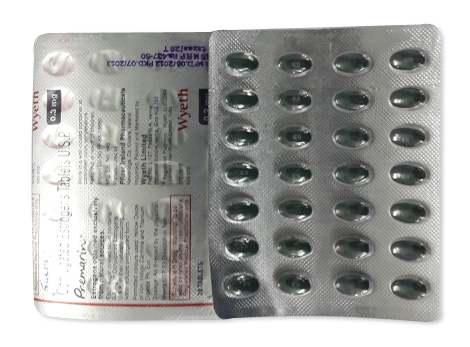
Packaging typically comprises blister packs of 28 or 84 tablets in 0.3, 0.625 and 1.25 mg strengths and 27–28 g tubes of 0.625 mg/g cream.
Supply can depend on importation; pharmacists and prescribers should monitor MHRA updates for shortages.
In our online pharmacy, conjugated oestrogens is available without a prescription, with discreet delivery to United Kingdom in 5-14 days.
Alternative Options
Comparison Table
When conjugated oestrogens are unsuitable or declined, the main alternatives in UK practice are estradiol preparations (oral, transdermal), tibolone and non-hormonal vaginal agents such as ospemifene.
Transdermal estradiol achieves similar symptomatic efficacy with a lower VTE association than oral CEs, making it a preferred option for women at higher thrombotic risk.
Pros And Cons
- Conjugated Oestrogens (Premarin) — Pros: long clinical history and robust symptomatic efficacy for vasomotor and urogenital symptoms.
- Conjugated Oestrogens (Premarin) — Cons: equine source may raise ethical concerns, oral first-pass effects increase VTE risk and branded products cost more than generics.
Regulatory Status
Premarin® and its combination formulations are licensed and prescription-only in the UK under MHRA oversight.
Regulatory labelling stresses contraindications, monitoring and the need for individualised assessment in line with the SPC.
ATC classification for conjugated oestrogens is G03CA57.
Suspected adverse reactions should be reported to the UK Yellow Card scheme and clinicians should check MHRA communications for safety or supply alerts.
Consolidated FAQ
Are conjugated oestrogens the same as estradiol?
No. Conjugated oestrogens are a mixture of equine-derived compounds converted to active oestrogens in tissues, whereas estradiol is a single molecular form.
What starting dose is typical?
For systemic menopausal symptoms start 0.3–0.625 mg daily; for vaginal atrophy use 0.5–2 g cream per application as directed.
Is Premarin safe after age 65?
Caution is advised; begin at the lowest effective dose and reassess regularly because VTE and stroke risks increase with age.
Can women with a uterus take unopposed conjugated oestrogens?
No. For women with an intact uterus add an appropriate progestogen to reduce the risk of endometrial hyperplasia.
How do I report adverse events?
Report suspected reactions via the UK Yellow Card system and document informed consent and monitoring in the clinical record.
Visual Guide
Infographic Elements
Useful visuals include a menopause symptom checklist showing improvements in hot flushes, sleep and vaginal dryness after starting therapy.
A clear dose ladder for oral conjugated oestrogens (0.3 → 0.625 → 1.25 mg) with decision nodes at 3-month review points helps shared decision-making.
Risk–Benefit Chart
A chart comparing absolute VTE and stroke risk by age and route (oral CEs versus transdermal estradiol) is helpful for patient counselling.
Packaging & Administration Images
Show blister pack sizes (28/84 tablets) and cream tube appearance (27–28 g; 0.625 mg/g) and indicate storage temperature 15–25°C.
Patient Flowchart
Include a simple flowchart: Start → 3-Month Review → Continue/Adjust/Stop, with checks such as BP, breast screening and liver function where indicated.
Storage & Transport
Pharmacies should store conjugated oestrogens in original packaging at controlled room temperature 15–25°C and protect creams from freezing.
Products do not require refrigeration but must be shielded from moisture and heat during transit.
Maintain batch records, check expiry dates and dispose of expired medicines per NHS procedures.
Advise patients to keep products at room temperature, out of reach of children and to return unused items to a pharmacy for safe disposal.
Guidelines For Proper Use
Pre-Prescription Assessment
Before prescribing, document menopausal history, confirm indications and perform breast and cervical screening as appropriate.
Assess blood pressure and thrombosis risk and check hepatic function where indicated.
Shared Decision-Making
Discuss absolute and relative contraindications, benefits for hot flush relief and vaginal atrophy, and risks such as VTE, stroke and breast cancer using absolute risk figures where possible.
Offer route options (oral versus local) and align the choice with the patient’s preferences and risk profile.
Prescribing & Monitoring
Start at the lowest effective dose (typically 0.3–0.625 mg) and review at three months then every three to six months thereafter.
For women with a uterus ensure an appropriate progestogen regimen is prescribed according to combination product guidance.
Discontinuation & Switching
Tapering is optional and should be individualised; switching to transdermal estradiol can be considered to mitigate thrombotic risk.
For persistent vaginal symptoms favour continuing topical therapy at the lowest effective frequency.
Delivery Across United Kingdom
| City | Region | Delivery Time |
|---|---|---|
| London | Greater London | 5-7 days |
| Birmingham | West Midlands | 5-7 days |
| Manchester | Greater Manchester | 5-7 days |
| Glasgow | Scotland | 5-7 days |
| Liverpool | Merseyside | 5-7 days |
| Leeds | West Yorkshire | 5-7 days |
| Sheffield | South Yorkshire | 5-7 days |
| Edinburgh | Scotland | 5-7 days |
| Bristol | South West England | 5-7 days |
| Newcastle Upon Tyne | North East England | 5-7 days |
| Nottingham | Nottinghamshire | 5-9 days |
| Leicester | Leicestershire | 5-9 days |
| Coventry | West Midlands | 5-9 days |
| Cardiff | Wales | 5-9 days |
| Belfast | Northern Ireland | 5-9 days |
Purchase And Access Notes
Conjugated oestrogens are prescription-only medicines in the UK and supply should align with the patient’s clinical needs and the product SPC.
When ordering or advising patients consider local formulary choices, branded versus generic cost differences and potential supply issues from importation.
Closing Practical Points
Always individualise therapy and document the clinical rationale when selecting conjugated oestrogens or an alternative HRT regimen.
Provide written information on dosing, missed-dose instructions and likely timelines for symptom improvement.
Encourage patients to report adverse effects and to attend routine breast and cervical screening as recommended.