Lamisil
Lamisil
- In many high‑street and online pharmacies you can buy Lamisil topical products (cream or spray) without a prescription (OTC); oral Lamisil tablets (terbinafine 250 mg) are prescription‑only and normally require a prescription from a GP or specialist.
- Lamisil (terbinafine) is used to treat fungal skin and nail infections such as onychomycosis, tinea corporis, cruris and pedis; it is fungicidal and works by inhibiting squalene epoxidase, blocking ergosterol synthesis in fungal cell membranes.
- The usual dose is oral terbinafine 250 mg once daily for adults (6 weeks for fingernail infections, 12 weeks for toenails; 2–6 weeks for skin infections); topical Lamisil cream or spray is usually applied as a thin layer once or twice daily.
- Forms of administration include oral tablet (250 mg) and topical preparations (cream 1% and spray 1%).
- Onset: topical treatment often brings symptomatic relief within a few days; oral treatment shows systemic antifungal activity within 1–2 weeks, though visible nail improvement may take many weeks to months.
- Duration of action: terbinafine persists in skin and adipose tissue (terminal half‑life after repeated dosing ~16 days); recommended treatment courses are typically 1–6 weeks for skin infections (topical or oral) and 6–12 weeks oral for nail infections.
- Avoid excessive alcohol during treatment and inform your prescriber of heavy alcohol use—combined alcohol and terbinafine may increase the risk of liver injury; alcohol should be limited and liver symptoms monitored.
- The most common side effects are mild gastrointestinal symptoms (nausea, diarrhoea, abdominal pain) and headache; taste disturbance and elevated liver enzymes can also occur and rare severe hepatic reactions have been reported.
- Would you like to try “lamisil” without a prescription?
Lamisil
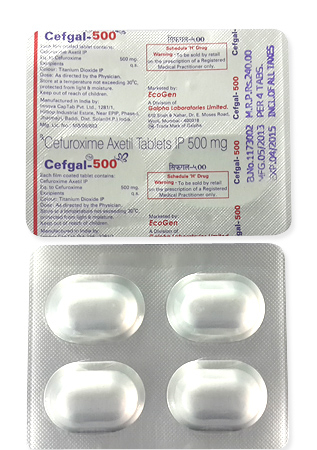
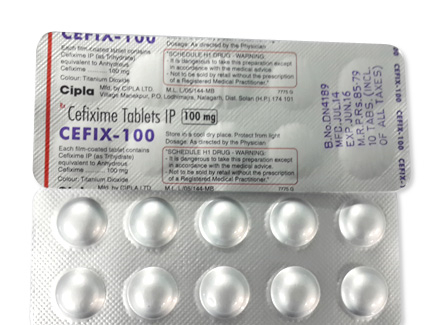
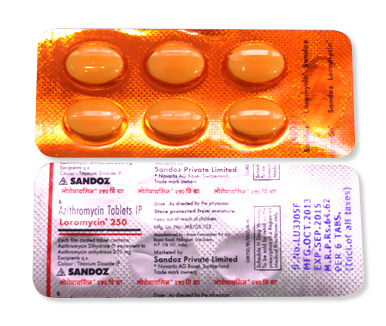
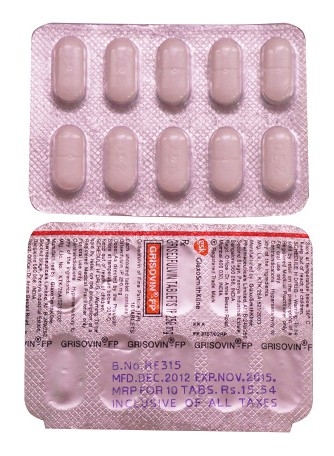
Basic Lamisil Information
- INN (International Nonproprietary Name): Terbinafine
- Brand Names Available In United Kingdom: Lamisil® (tablets 250 mg and cream 1%) and multiple generics supplied by manufacturers such as Sandoz, Zentiva, Teva, Glenmark and others
- ATC Code: D01BA02
- Forms & Dosages: Oral tablet 250 mg (packs of 7, 14, 28, 30 tablets); topical cream 1% (7 g, 15 g, 30 g tubes); topical spray 1% (15 ml, 30 ml) — some markets also list powders, gels and sprays
- Manufacturers In United Kingdom: Novartis Pharma AG (original), with generic production commonly by Sandoz, Zentiva, Teva, Glenmark, Stada, Medochemie and others
- Registration Status In United Kingdom: Lamisil® and generic terbinafine products are authorised as prescription medicines for oral forms and topical forms are available OTC in some jurisdictions; oral terbinafine is listed as an Rx medicine in EU/UK registries
- OTC / Rx Classification: Oral tablet — prescription only (Rx). Topical forms — may be available OTC depending on jurisdiction.
Major 2022–2025 Studies
Which treatments work best for nail fungus right now?
Recent randomised controlled trials and systematic reviews from 2022–2025 continue to show oral terbinafine 250 mg once daily as the most consistent systemic option for dermatophyte onychomycosis.
Mycological cure and clinical improvement at 12 weeks for toenails and 6 weeks for fingernails were the most commonly reported endpoints.
Head‑to‑head analyses still favour terbinafine over short‑course itraconazole regimens for sustained mycological cure in dermatophyte infections.
Topical innovations such as efinaconazole and newer delivery formulations improve nail penetration in laboratory studies.
Real‑world cure rates with topical innovations remain variable compared with systemic terbinafine for established nail disease.
Safety Observations
Are there new safety flags clinicians should watch for?
Post‑marketing pharmacovigilance reports from 2022–2025 reconfirm rare but important hepatotoxicity with terbinafine.
Cases reported during this period reinforce vigilance in patients with pre‑existing liver disease and when terbinafine is given with other hepatotoxic medicines.
Taste disturbance (dysgeusia) and gastrointestinal complaints remain among the more commonly reported adverse events.
Main Outcomes
Trials consistently used mycological cure, clinical cure, patient‑reported outcomes and recurrence at 6–12 months as primary endpoints.
Safety Observations
Monitoring approaches vary, but UK practice tends to reserve routine liver function tests for patients with risk factors rather than every patient.
Clinical Mechanism Of Action
How does terbinafine clear fungal infections?
Terbinafine is a fungicidal allylamine that interferes with the fungal cell membrane.
It blocks the enzyme squalene epoxidase, causing toxic accumulation of squalene and depletion of ergosterol in fungal cells.
Scientific Breakdown
The direct enzyme target is squalene epoxidase, and inhibition leads to ergosterol synthesis blockade and fungal cell death for dermatophytes.
The drug is fungicidal against dermatophytes and has fungistatic or limited activity against some yeasts.
Pharmacokinetics (Real Data)
Oral absorption is approximately 40–50% with substantial first‑pass metabolism.
After repeated dosing the terminal half‑life is about 16 days due to sequestration in adipose tissue.
Long terminal half‑life supports prolonged nail penetration and tissue concentrations.
Clinical Relevance
High tissue concentrations in skin and nail plate explain terbinafine’s clinical utility in onychomycosis.
Topical 1% cream or spray targets superficial tinea with lower systemic exposure and fewer systemic risks.
Scope Of Approved & Off‑Label Use
Who can use lamisil and for what?
In the UK terbinafine (Lamisil and generics) is authorised as a prescription medicine for oral tablets (250 mg) for onychomycosis and tinea infections.
Topical 1% cream and sprays are widely available and may be supplied OTC in some settings.
Notable Off‑Label Trends
Clinicians sometimes use terbinafine off‑label in paediatric weight‑based regimens or for refractory dermatophyte infections guided by culture results.
Routine oral use in under‑18s is not standard and specialist input is advised.
Indication‑Specific Notes (Real Data)
Onychomycosis: oral terbinafine 250 mg once daily for 6 weeks for fingernails and 12 weeks for toenails.
Tinea corporis/cruris: 250 mg daily for 2–4 weeks (up to 6 weeks in selected cases).
Tinea pedis: 250 mg daily for 2–6 weeks.
Topical use: apply a thin layer 1–2 times daily for 1–4 weeks depending on the site and response.
Regulatory Nuance
Topical OTC availability differs by country; in the UK pharmacists can advise on topical Lamisil for athlete’s foot but oral tablets require a prescription.
Dosage Strategy
What dose should most adults take?
The standard adult oral dose is terbinafine 250 mg once daily.
Topical preparations are 1% cream or spray applied as a thin layer 1–2 times daily.
Condition‑Specific Dosing (Real Data)
Onychomycosis: 250 mg daily for 6 weeks for fingernails and 12 weeks for toenails.
Tinea corporis and cruris: 250 mg daily for 2–4 weeks.
Tinea pedis: 250 mg daily for 2–6 weeks.
Topical regimens usually run 1–4 weeks depending on lesion and response.
Renal/Hepatic Adjustments (Real Data)
In moderate to severe renal impairment (CrCl <50 mL/min) reduce the oral dose by about 50% or avoid use where appropriate.
Terbinafine should be avoided in hepatic impairment due to accumulation and increased toxicity risk.
Special Populations
Elderly patients generally need no routine dose change but warrant closer monitoring for hepatic or renal dysfunction.
Oral use in children is not routinely recommended and requires specialist dosing guidance if considered.
Safety Protocols
Who should not take lamisil?
Absolute contraindications include known hypersensitivity to terbinafine or excipients and chronic or active liver disease.
Relative contraindications include pre‑existing mild liver disease, moderate–severe renal impairment and conditions such as psoriasis or lupus which may be exacerbated.
Adverse Effects (Real Data)
Common adverse effects are gastrointestinal upset, headache, rash and pruritus.
Moderate reactions include taste disturbance, elevated liver enzymes, urticaria, fatigue and photosensitivity.
Rare but serious events reported include severe hepatic failure and anaphylaxis.
Monitoring Guidance
UK practice commonly advises baseline liver function tests and selective follow‑up in patients with risk factors such as alcohol misuse or concomitant hepatotoxic drugs.
Routine serial LFTs for all patients are debated and often reserved for those at higher risk.
Counselling Points (Real Data)
Advise patients to stop terbinafine and seek urgent review for symptoms such as jaundice, dark urine or persistent nausea.
Warn about taste changes and gastrointestinal symptoms and encourage reporting any new skin rash or severe fatigue.
Interaction Mapping
Will food or other medicines change how terbinafine works?
Food has minimal clinically relevant impact on terbinafine absorption and fasting is not required.
Drug Combinations To Avoid (Real Data)
Terbinafine is metabolised by and inhibits CYP2D6 and can alter plasma levels of CYP2D6 substrates.
Use caution or avoid combinations with drugs that have a narrow therapeutic index and rely on CYP2D6 metabolism.
Common High‑Risk Combinations
- SSRIs and TCAs — plasma levels may be altered and adverse effects should be monitored.
- Beta‑blockers metabolised by CYP2D6 — efficacy and plasma concentration can change.
- Concomitant hepatotoxic drugs — combined liver risk may be additive; avoid where possible.
Practical Pharmacy Checks
Always reconcile a patient's medicines and review hepatic and renal function before supplying oral terbinafine.
When in doubt consult an electronic interaction checker or a specialist pharmacist.
Patient Experience Analysis
Do patients like lamisil?
Clinic surveys and dermatology registry data show high satisfaction for symptom relief with oral terbinafine in nail and skin fungal infections.
Reported cure rates vary with severity of infection and adherence to the full course of therapy.
Forum Trends
Patient communities commonly report rapid symptom relief with topical formulations for athlete’s foot.
Many users express frustration with the prolonged oral courses required for nail infections and worry about liver safety.
Adherence Barriers
Long treatment durations (6–12 weeks), perceived side‑effect risk and delayed visible nail improvement reduce adherence.
Simple counselling on expected timelines and using blister packs or reminders improves completion rates.
Patient Education Points
Explain that topical therapy carries lower systemic risk but limited nail penetration compared with oral terbinafine.
Clarify that oral terbinafine gives a higher probability of cure for dermatophyte onychomycosis but needs monitoring in at‑risk patients.
Distribution & Pricing Landscape
Which brands supply lamisil in the UK?
Lamisil from Novartis and many generic manufacturers such as Sandoz, Zentiva, Teva, Glenmark, Krka and Medochemie supply the UK market.
Pricing & Access In UK
Oral terbinafine 250 mg is prescription‑only and NHS prescribing plus generic competition generally keeps the cost per course affordable.
Private prescription costs vary and topical 1% formulations sold OTC in pharmacies usually carry a modest retail price.
Supply Trends
Global generic competition has reduced unit costs, though intermittent local shortages occur due to manufacturing or distribution issues.
Procurement & Storage (Real Data)
Store tablets and topical preparations at 15–30°C and protect them from moisture and light.
Creams and sprays should be kept tightly closed at room temperature.
Alternative Options
Which other medicines are used for nail fungus?
Common alternatives include itraconazole, fluconazole and topical agents such as ciclopirox and efinaconazole.
Comparison Summary
Oral terbinafine 250 mg gives high mycological cure for dermatophytes with established dosing for 6–12 week courses.
Itraconazole is an alternative option, useful for mixed or non‑dermatophyte infections and often used in pulse regimens.
Fluconazole is used off‑label for some dermatophyte infections but is more active against Candida species.
Topical agents carry lower systemic risk but generally have variable nail penetration and longer treatment courses.
Pros And Cons
Terbinafine’s advantages are fungicidal activity against dermatophytes and strong tissue penetration.
Disadvantages include potential hepatic adverse events, taste disturbance and CYP2D6 interactions.
When To Choose Alternatives
Consider itraconazole or topical efinaconazole when terbinafine is contraindicated, for suspected non‑dermatophyte infection or when patients decline systemic therapy.
Cost‑Effectiveness
Generic terbinafine is typically more cost‑effective for dermatophyte nail infections than prolonged topical‑only strategies.
Regulatory Status
What is the authorisation status of lamisil?
Terbinafine (Lamisil) is authorised in the UK and EU as a prescription medicine for oral use, with topical 1% creams and sprays available OTC in some markets.
International Approvals (Real Data)
The US FDA approves Lamisil® for onychomycosis and tinea infections and EMA and national agencies authorise terbinafine as Rx for systemic use.
Multiple generics hold licences globally.
Classification & Labelling
Terbinafine is classified under ATC D01BA02 and labelling highlights contraindications such as liver disease and the standard 250 mg oral dosing for systemic therapy.
Pharmacovigilance
Post‑marketing surveillance continues to track rare hepatic events and severe hypersensitivity reactions.
Suspected serious adverse reactions should be reported to the MHRA Yellow Card scheme in the UK.
Consolidated FAQ
What do patients ask most about lamisil?
Q: Is oral Lamisil safe?
A: Oral terbinafine is effective but contraindicated in active liver disease and requires monitoring in patients with risk factors.
Q: How long till nails clear?
A: Fingernail infections commonly complete treatment in around 6 weeks, while toenail therapy is usually 12 weeks plus several months for visible regrowth.
Prescribing & Access
Q: Can I buy Lamisil cream OTC?
A: Topical 1% forms may be available OTC in the UK but oral tablets require a prescription.
Practical Tips (Real Data)
If a dose is missed take it as soon as remembered unless it is almost time for the next dose and do not double up.
Symptoms of overdose can include headache, nausea and rash and management is supportive; activated charcoal may be considered in early overdose.
Store products at 15–30°C and protect from moisture and light.
When To Stop Treatment
Stop terbinafine and seek urgent medical assessment for jaundice, dark urine or severe hypersensitivity.
Visual Guide
How do you recognise packaging and decide treatment quickly?
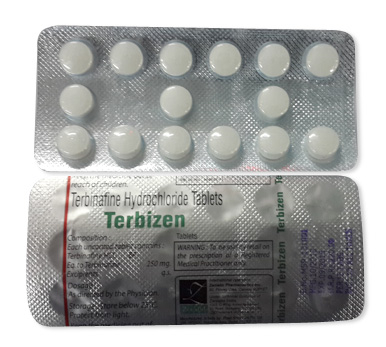
Tablets are commonly supplied as 250 mg in blister packs or bottles and topical cream 1% in 7–30 g tubes with brand names such as LAMISIL prominently displayed.
Quick Decision Flowchart (Text)
Suspected nail dermatophyte → confirm with microscopy or culture → consider oral terbinafine 250 mg daily for 6–12 weeks if systemic therapy is appropriate.
Icons To Include In Visuals
- A liver warning icon for systemic use.
- A dose/time calendar to support adherence.
- A topical versus oral choice infographic.
Storage & Transport
What are the correct storage conditions?
Store terbinafine products at 15–30°C and protect them from moisture and light.
Transport & Cold Chain
No special cold chain is required but avoid exposure to high humidity or extreme heat in transit.
Pharmacy Handling
Check batch numbers and expiry dates and advise patients to discard expired topical tubes.
Legal/Label Requirements
Packaging must include brand, dosage and manufacturer details and, in some markets, the local authorisation number.
Guidelines For Proper Use
What should a prescriber check before starting therapy?
Confirm diagnosis with KOH microscopy or culture when uncertain and review hepatic and renal history before prescribing.
Reconcile medicines to identify CYP2D6 interactions and discuss the expected duration of therapy (6–12 weeks for nails).
Patient Counselling (Real Data)
Explain that topical relief may be quick for skin infections but nail appearance improves slowly with months often required for full regrowth after successful therapy.
Warn patients about common side effects such as gastrointestinal upset and taste changes and advise them to stop the drug for jaundice or dark urine.
Follow‑Up & Monitoring
Baseline LFTs are recommended for high‑risk patients and targeted follow‑up is indicated if symptoms or risk factors develop.
Reinforce adherence using calendars, blister packs or pharmacy reminder services.
Special Scenarios
If CrCl <50 mL/min consider dose reduction or avoidance and avoid terbinafine in active liver disease.
For children consult specialist guidance and favour topical options where appropriate.
Purchase And Access Note
In our online pharmacy, lamisil is available without a prescription, with discreet delivery to United Kingdom in 5-14 days.
Delivery Across United Kingdom
| City | Region | Delivery Time |
|---|---|---|
| London | England | 5–7 days |
| Birmingham | England | 5–7 days |
| Manchester | England | 5–7 days |
| Glasgow | Scotland | 5–7 days |
| Leeds | England | 5–7 days |
| Sheffield | England | 5–9 days |
| Edinburgh | Scotland | 5–7 days |
| Bristol | England | 5–9 days |
| Cardiff | Wales | 5–9 days |
| Belfast | Northern Ireland | 5–9 days |
| Newcastle Upon Tyne | England | 5–9 days |
| Nottingham | England | 5–9 days |
| Southampton | England | 5–9 days |
| Norwich | England | 5–9 days |
Final Practical Reminders
Before starting treatment confirm the likely fungal cause, and consider microscopy or culture when there is any doubt.
Baseline liver tests are prudent for patients with risk factors but are not mandatory for everyone in routine UK practice.
Watch for taste disturbance and persistent gastrointestinal symptoms which are common reasons patients discontinue therapy.
Report serious adverse events such as suspected severe hepatic injury and hypersensitivity to the MHRA Yellow Card scheme.
Store lamisil products at 15–30°C and advise patients to keep topical preparations tightly closed and discard expired tubes.