Clotrimazole
Clotrimazole
- In our pharmacy, you can buy clotrimazole without a prescription (OTC) — 1% topical creams, lotions and dusting powders are available, and many vaginal tablet formulations are sold OTC in the UK; delivery in 3–10 days with discreet packaging.
- Clotrimazole is an antifungal (an imidazole derivative) used to treat superficial fungal infections; it inhibits fungal 14α‑demethylase, disrupting ergosterol synthesis and damaging the fungal cell membrane.
- Usual dosage: for tinea apply 1% cream to the affected area 2–3 times daily for 2–4 weeks; for vulvovaginal candidiasis use a 100 mg vaginal tablet nightly for 6 nights or a single 500 mg tablet; for oropharyngeal candidiasis use a 10 mg lozenge five times daily (where available).
- Form of administration: topical (cream, lotion, powder), vaginal tablet/ovule, and lozenge for oropharyngeal use.
- Onset time: symptomatic relief often begins within 24–72 hours, though full clinical improvement may take several days.
- Duration of action: depends on formulation — topical courses usually run 2–4 weeks; a single 500 mg vaginal tablet provides one‑dose treatment; lozenge courses may continue up to 14 days.
- Alcohol warning: there is no specific contraindication to alcohol with topical or vaginal clotrimazole, but avoid excess alcohol if unwell and follow prescriber advice for any systemic antifungal; consult a healthcare professional if unsure.
- The most common side effec is local irritation — burning, redness, itching or rash; vaginal preparations may cause local burning, pelvic discomfort or discharge in some users.
- Would you like to try clotrimazole without a prescription?
Clotrimazole
Basic Clotrimazole Information
- INN (International Nonproprietary Name): Clotrimazole.
- Brand Names Available In United Kingdom: Canesten is the principal brand listed for the United Kingdom and EU markets, with local generics marketed as Clotrimazolum GSK and other manufacturer names.
- ATC Code: D01AC01 for topical use and G01AF02 for vaginal use.
- Forms & Dosages: Creams and solutions commonly at 1% (some 2% formulations exist), vaginal tablets/pessaries at 100 mg and 500 mg, lotions and dusting powders at 1%.
- Manufacturers In United Kingdom: Major global suppliers include Bayer (Canesten) and generic suppliers such as GSK, Teva and Actavis; other international manufacturers appear on UK supply chains.
- Registration Status In United Kingdom: Topical and vaginal clotrimazole formulations are authorised and widely available OTC or as pharmacy‑only medicines depending on the presentation and local marketing authorisation.
- OTC / Rx Classification: Most 1% topical creams, solutions and powders are OTC; certain vaginal strengths or combination products may be prescription only depending on product authorisation.
Key Findings From Recent Trials
Major 2022–2025 Studies
Patients often ask whether new trials have changed how we use clotrimazole.
High‑quality, large randomised controlled trials specifically on topical clotrimazole since 2022 are few.
Most contemporary evidence comes from comparative trials, systematic reviews and observational real‑world analyses.
Where head‑to‑head data exist, topical clotrimazole 1% performs well against other azoles such as miconazole.
For many superficial dermatophyte and Candida infections, clinical and mycological cure rates are comparable to miconazole and acceptable against alternatives like terbinafine in selected presentations.
Main Outcomes
Primary endpoints in trials remain symptom resolution, mycological negativity on culture or KOH and short‑term recurrence rates at two to four weeks.
Vaginal formulations — 100 mg nightly for six nights or a single 500 mg pessary — show rapid symptom relief and satisfactory cure rates in uncomplicated vulvovaginal candidiasis.
Real‑world studies report better adherence and shorter symptom duration with single‑dose 500 mg pessaries compared with multi‑night regimens.
Safety Observations
Topical clotrimazole continues to demonstrate low systemic exposure and a reassuring safety profile.
Adverse events are mainly local, such as transient burning or irritation, and rare allergic reactions have been reported.
No new major safety signals have emerged in recent post‑marketing surveillance.
Clinical Mechanism Of Action
Layman’s Explanation
People commonly wonder how an antifungal cream actually helps their itching and soreness.
Clotrimazole is an imidazole antifungal you apply to the skin, mucosa or insert vaginally to stop fungi from growing.
That action helps infections clear and reduces symptoms such as itchiness, soreness and abnormal discharge.
Typical uses include athlete’s foot, ringworm and thrush where local application directly treats the cause.
Scientific Breakdown
Clotrimazole belongs to the imidazole class of antifungals and is classified under ATC D01AC01 for topical and G01AF02 for vaginal use.
It inhibits fungal ergosterol synthesis by binding to fungal cytochrome P450 enzymes, notably lanosterol 14α‑demethylase.
This reduces ergosterol in the fungal membrane and causes accumulation of methylated sterol precursors, increasing membrane permeability and inhibiting growth.
The effect is fungistatic at lower concentrations and can be fungicidal at higher local concentrations achieved by topical or vaginal delivery.
Pharmacokinetics (Topical)
Systemic absorption from 1% creams, lozenges or vaginal tablets is minimal, so hepatic burden is avoided with usual topical use.
Vaginal pessaries achieve high local concentrations with negligible measurable serum levels.
Resistance Mechanisms (Brief)
Resistance is uncommon clinically but can arise through target enzyme modification or efflux pump expression in fungal cells.
Ongoing surveillance is recommended for persistent or recurrent infections to detect emerging resistance.
Scope Of Approved & Off‑Label Use
United Kingdom Approvals
Patients often ask whether they can buy clotrimazole without a prescription.
Clotrimazole is licensed and widely available OTC in the UK for superficial fungal infections such as tinea corporis, cruris, pedis and vulvovaginal candidiasis.
Commonly sold strengths include 1% creams, 100 mg and 500 mg vaginal pessaries and various solutions and powders.
OTC status applies to most 1% topical products, while some vaginal formulations may be pharmacy‑only depending on the manufacturer’s authorisation.
Notable Off‑Label Trends
Clinicians sometimes use topical clotrimazole adjunctively in mixed inflammatory dermatoses, often combined short‑term with a corticosteroid under supervision.
Veterinary use for superficial mycoses such as ringworm in pets is another off‑label application seen in practice.
Oropharyngeal lozenges exist in other markets but are less commonly used in UK practice.
ATC codes D01AC01 and G01AF02 denote dermatological and gynaecological imidazole indications and guide therapeutic choice.
Dosage Strategy
General Dosing
Patients want simple directions they can follow at home.
Use the lowest effective strength and the shortest effective course to clear infection and limit unnecessary exposure.
For most skin infections, apply a 1% cream two to three times daily for two to four weeks and continue for at least two weeks after clinical resolution.
Condition‑Specific Dosing
Tinea pedis, corporis and cruris are typically treated with 1% cream twice daily for two to four weeks, increasing to four weeks for chronic or severe cases.
Vulvovaginal candidiasis can be treated with a 100 mg vaginal tablet nightly for six nights or a single 500 mg pessary depending on patient preference and product availability.
Oropharyngeal candidiasis uses a 10 mg lozenge dissolved five times daily for up to 14 days, though lozenges are less common in the UK market.
Children should use topical regimens under clinical supervision and avoid vaginal or oral forms unless prescribed.
Elderly patients generally require no dose adjustment but should be monitored for skin sensitivity.
Safety Protocols
Contraindications
Never use clotrimazole in patients with a known hypersensitivity to clotrimazole or other imidazole antifungals.
Avoid ocular exposure and do not apply to the eyes.
Exercise caution applying to broken or inflamed skin because absorption can increase.
Topical and vaginal use are usually considered safe in pregnancy and lactation, but advise consultation with a clinician.
Adverse Effects
Adverse effects are mostly local and mild, including burning, itching, redness, peeling or blistering at the application site.
Vaginal formulations can cause local burning, pelvic cramps or transient discharge.
Stop treatment if a severe local reaction or signs of hypersensitivity occur and seek medical advice.
For prolonged or recurrent infections, reassess the diagnosis and consider referral to dermatology or gynaecology.
Interaction Mapping
Food Interactions
Topical and vaginal clotrimazole lead to negligible systemic concentrations and have no clinically meaningful food interactions.
Oral lozenges can deliver more systemic exposure than creams but are uncommon in UK practice.
Drug Combinations To Avoid
Systemic CYP‑mediated interactions are relevant mainly for systemic azoles rather than topical clotrimazole.
Caution is advised if extensive broken skin or large‑area application might permit systemic absorption, especially with potent CYP3A4 substrates.
Avoid unsupervised long‑term use of topical corticosteroids with antifungals; combination products exist for short‑term use in inflamed fungal infections but require correct diagnosis.
Pharmacists should check a patient’s current medications if systemic exposure is suspected or when patients request large‑area applications.
Patient Experience Analysis
Survey Data
Many patients report quick symptom relief and easy use with OTC clotrimazole products such as Canesten and store generics.
Consumer and pharmacy surveys in the UK show higher adherence with single‑dose 500 mg pessaries than with multiple‑night regimens.
Ease of application and perceived rapid improvement within days are common reasons for positive reviews.
Forum Trends
Online forums and patient reviews commonly discuss transient irritation and occasional persistent or recurrent infections that prompt GP consultation.
Frequent patient questions include correct application technique, appropriate treatment duration and distinguishing bacterial from fungal infections.
Market behaviour from e‑pharmacies shows steady demand for 1% creams and 100/500 mg vaginal tablets, and cautionary dialogue about steroid misuse in combination products.
Distribution & Pricing Landscape
Market Channels
Clotrimazole products are widely available through high‑street pharmacies such as Boots and Lloyds, supermarkets, GP prescriptions and e‑pharmacies.
Brand options include Canesten (Bayer) alongside numerous generics from GSK, Teva and others.
OTC availability for many 1% creams and vaginal formulations supports easy retail access across the UK.
Price & Access Dynamics
OTC pricing varies by brand, pack size and retailer with generics typically lower cost than branded Canesten products.
Single 500 mg pessaries and multi‑night 100 mg packs differ in price and consumer preference influences sales patterns.
In our online pharmacy, clotrimazole is available without a prescription, with discreet delivery to United Kingdom in 5-14 days.
E‑pharmacy competition and supermarket own‑brands have helped push prices down while giving patients multiple access routes.
Alternative Options
Comparison Table
Patients often ask whether another antifungal would be faster or more reliable than clotrimazole.
Miconazole is similar in spectrum and OTC availability and often achieves comparable results for tinea and thrush.
Terbinafine is fungicidal against dermatophytes and can give faster clinical cure in tinea infections; its formulations vary by market and some presentations may be prescription only.
Econazole and ketoconazole are alternatives, but ketoconazole has systemic safety considerations that limit wider use.
Pros And Cons
Clotrimazole’s pros include a long safety record, multiple OTC forms and minimal systemic absorption.
Its cons include potentially slower fungicidal action against dermatophytes compared with terbinafine and the need for multi‑night regimens in some vaginal presentations that can reduce adherence.
Match drug choice to the likely pathogen — Candida versus dermatophyte — and to patient preference for single‑dose or multi‑night regimens.
Regulatory Status
UK & EU Position
Clotrimazole is an established antifungal authorised across UK and EU markets in topical and vaginal forms.
Common formulations are available OTC or as pharmacy‑only medicines depending on the authorised presentation and labelling.
The ATC classification remains D01AC01 for topical and G01AF02 for vaginal use.
Labelling And OTC Nuances
Product labelling provides clear instructions on strength, application frequency and durations such as 100 mg pessary nightly for six nights or a single 500 mg pessary.
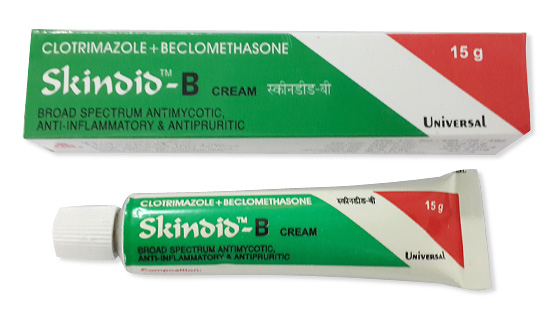
Some combination products containing clotrimazole and corticosteroids or antibiotics may be prescription‑only, reflecting their marketing authorisations.
MHRA and European national agencies continue routine post‑marketing surveillance and no recent regulatory warnings for topical clotrimazole have been issued.
Consolidated FAQ
Common Patient Questions
Q: How long until I feel better? A: Many patients notice symptom improvement within three to seven days, with complete courses lasting one to four weeks depending on the site.
Q: Can I buy it over the counter? A: Yes — most 1% creams and many vaginal forms such as Canesten are available OTC in the UK and pharmacists can advise on choice.
Q: Which pessary is best? A: Single 500 mg pessaries are convenient and enhance adherence, while 100 mg nightly for six nights is an effective alternative.
Quick Clinician Notes
Recurrent thrush should prompt further investigation and testing; consider resistant Candida species or non‑fungal causes if episodes are four or more per year.
Non‑response after correct use requires reassessment, fungal culture and possibly switching to an alternative such as terbinafine for dermatophytes.
Topical and vaginal clotrimazole are generally acceptable in pregnancy, but systemic therapy should be avoided unless essential and discussed with the obstetric team.
Visual Guide
Packaging & Labelling Cues
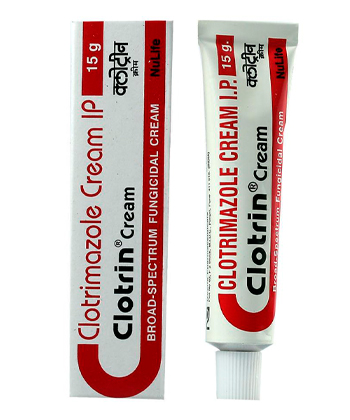
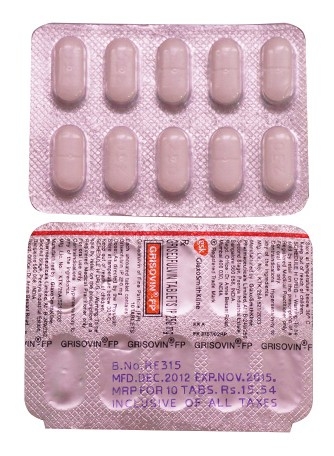
Look for the brand and strength on pack fronts such as Canesten 1% cream or clotrimazolum labelling on generics.
Professional inserts include ATC codes and precise application instructions and expiry details; store below 25°C.
Vaginal pessaries are clearly labelled 100 mg or 500 mg and indicate single‑dose or multi‑night regimens.
Application Diagrams (Textual)
- Topical Cream: Wash and dry the area before application.
- Topical Cream: Apply a thin layer extending about 1–2 cm beyond the visible lesion and rub in gently.
- Topical Cream: Wash hands after application and continue treatment for the full recommended duration, including two weeks after symptoms settle for tinea.
- Vaginal Pessary: Insert at night using an applicator if supplied and lie down briefly; avoid intercourse if leaflet advises.
- Vaginal Pessary: Single 500 mg is convenient; 100 mg nightly for six nights is an effective alternative.
Storage & Transport
Recommended Conditions
Store clotrimazole products below 25°C and away from moisture and direct sunlight.
Do not freeze creams or lotions and keep products in their original, tightly closed packaging.
Supply Chain Notes
Ambient transport is generally acceptable but avoid prolonged exposure to heat during summer deliveries to protect product integrity.
Pharmacies should rotate stock by expiry and inspect packaging for damage before dispensing.
Guidelines For Proper Use
Best‑Practice Steps
Confirm a likely fungal cause before recommending topical therapy by reviewing history and appearance of lesions.
Advise 1% cream two to three times daily for skin infections and offer 100 mg ×6 nights or a single 500 mg pessary for uncomplicated vulvovaginal candidiasis, following product labelling such as Canesten.
Provide clear verbal and written instructions, including application technique and advice to continue beyond symptom resolution where appropriate.
When To Escalate Care
Escalate if there is no improvement after a full, correctly applied course or if infections recur frequently (four or more episodes per year).
Refer immunocompromised patients, pregnant women with complicated infections or anyone needing systemic treatment to a GP or specialist.
Document OTC advice and encourage follow‑up if symptoms persist or worsen.
Delivery Across United Kingdom
| City | Region | Delivery Time |
|---|---|---|
| London | Greater London | 5-7 days |
| Birmingham | West Midlands | 5-7 days |
| Manchester | Greater Manchester | 5-7 days |
| Glasgow | Scotland | 5-7 days |
| Leeds | West Yorkshire | 5-7 days |
| Liverpool | Merseyside | 5-7 days |
| Sheffield | South Yorkshire | 5-7 days |
| Bristol | South West England | 5-7 days |
| Newcastle Upon Tyne | North East England | 5-7 days |
| Edinburgh | Scotland | 5-7 days |
| Nottingham | Nottinghamshire | 5-9 days |
| Leicester | Leicestershire | 5-9 days |
| Coventry | West Midlands | 5-9 days |
| Cardiff | Wales | 5-9 days |
| Belfast | Northern Ireland | 5-9 days |