Minoxidil
Minoxidil
- In pharmacies and online shops, minoxidil can often be purchased without a prescription in topical form, including in the UK and many other countries; oral minoxidil is prescription-only.
- Minoxidil is used for androgenetic alopecia (pattern hair loss) and, in oral form, for severe hypertension. It is a potassium channel opener and vasodilator; when used on the scalp, it helps prolong the growth phase of hair follicles and may improve hair density.
- The usual dose for hair loss is topical 1 mL of 2% or 5% solution, or an equivalent foam, applied to the scalp once or twice daily depending on the product and sex. Oral doses for hypertension are typically 2.5–10 mg daily as prescribed by a doctor.
- It is available as a topical solution, foam, lotion or gel, and less commonly as oral tablets.
- Topical minoxidil usually starts to show early effects after about 2–4 months of regular use, although some people may notice initial shedding before improvement.
- For hair loss, the effect lasts only while treatment is continued; stopping minoxidil usually leads to gradual loss of the gained hair over several months.
- There is no strict alcohol warning for topical minoxidil, but alcohol may worsen dizziness or low blood pressure with oral minoxidil, so it is best to limit alcohol and follow medical advice.
- The most common side effects are scalp irritation, itching, dryness or flaking, and initial hair shedding; other possible effects include unwanted facial or body hair growth, headache, dizziness and, with oral use, swelling or low blood pressure.
- Would you like to try minoxidil without a prescription?
Minoxidil
Basic Minoxidil Information
- INN (International Nonproprietary Name): Minoxidil
- Brand names available in United Kingdom: Dermapharm Minoxidil
- ATC Code: D11AX01
- Forms & Dosages Sold: Topical solution or foam 2%, 3%, 5%, 7.5%; oral tablets 2.5mg, 5mg, 10mg; topical gel or lotion 5%, 10%
- Manufacturers in United Kingdom: Dermapharm
- Registration status in United Kingdom: Topical minoxidil is widely registered for hair loss in many countries and is available in the UK; oral minoxidil remains prescription-only and licensed for hypertension
- OTC / Prescription (Rx) classification: Topical forms are pharmacy-available or OTC depending on product; oral forms are Rx only
Key Findings From Recent Trials, 2022–2025
Thinking about whether minoxidil is still worth trying in 2025?
That is the question many people ask after seeing endless social media posts, before-and-after photos, and mixed forum opinions.
The short answer is yes: topical minoxidil remains a first-line hair loss treatment for androgenetic alopecia, and the recent evidence continues to support both 2% and 5% solutions and foams.
Across recent minoxidil research, the practical message has stayed fairly steady.
Consistency matters more than chasing the newest product.
Topical 5% products such as Dermapharm Minoxidil 5% remain a familiar option in the UK, while Rogaine and Regaine are the best-known global brands.
Because the patent has expired, generic minoxidil is widely produced around the world, with 36 US NDAs, 8 Drug Master Files, 62 registered clinical trials, and ongoing generic manufacturing globally.
Major Study Signals
Recent trial trends from 2022 to 2025 still place minoxidil foam and liquid solutions at the centre of everyday hair regrowth care.
Evidence continues to support 2% and 5% topical formulations for androgenetic alopecia, especially when started early and used regularly.
Foam is attracting more attention because it is often better tolerated and easier to use than liquid, which may help people stick with treatment.
That matters in real life, because even the best treatment fails if it is left in the bathroom cabinet after two weeks.
Higher-strength topical products such as 7.5% and compounded formulations are being explored in some markets, but they are not the standard starting point in the UK.
Oral minoxidil is also drawing interest as an off-label option for hair loss, particularly in specialist settings, but it does not have the same formal approval as topical treatment.
Main Outcomes
The main outcome remains simple: topical minoxidil can help wake up miniaturised follicles and support hair regrowth over time.
It is best understood as a long-term hair loss treatment rather than a one-off cure.
People usually notice early change after 2–4 months, with the strongest effect around 12 months.
In practice, that means a patient may not see much during the first few weeks, then gradually notice less shedding, a little more fullness, and better coverage in thinning areas.
Brand recognition still plays a role too, which is why Regaine and Rogaine remain so familiar to shoppers looking for over-the-counter hair regrowth.
Safety Observations
The same pattern keeps showing up in recent reports: scalp irritation, early shedding, and hypertrichosis are the most common problems.
That early shed can be upsetting, but it is a known part of treatment for many people and is often temporary.
Oral minoxidil carries a higher systemic risk profile, with tachycardia, dizziness, oedema, hypotension, and weight gain reported more often than with topical products.
That is why oral use should stay under clinician oversight rather than being treated like an ordinary cosmetic purchase.
For most UK patients, the safer and more familiar route is still topical minoxidil foam or solution used exactly as directed.
Clinical Mechanism Of Action
Ever wondered how minoxidil actually helps hair?
It does not create new follicles.
Instead, it helps existing follicles stay active for longer and may push them back into a growing, or anagen, phase.
That is why hair can look thicker over time, even though the underlying cause of hair loss is still there.
The effect is gradual, so patience is part of the treatment plan.
It also means the benefit only lasts while the treatment is continued.
Layman’s Explanation
Minoxidil helps “wake up” sleeping follicles and prolong the growth phase.
For many people, that means less visible thinning and a fuller look after steady use.
It does not cure hair loss, and stopping treatment usually allows the benefit to fade.
That is one reason pharmacy counselling matters so much with hair regrowth spray and foam products.
Scientific Breakdown
Minoxidil is believed to work through vasodilation and by shifting follicles into anagen, although the exact pathway is not fully established.
Topical forms act locally on the scalp, which keeps exposure mainly where it is needed.
Oral minoxidil produces systemic exposure, so it needs more monitoring and is not the routine first choice for simple hair loss treatment.
Follicular Effects
At follicle level, minoxidil seems to support the growth phase and may improve the conditions needed for hair shaft production.
That is why it is used in androgenetic alopecia rather than as a general hair supplement.
It is the reason many people compare minoxidil foam with solution when choosing convenience, comfort, and adherence.
Formulation Notes
Available forms include topical solution, foam, lotion, gel, and oral tablets.
In everyday pharmacy use, the most familiar formats are minoxidil spray-style solutions and hair regrowth foam in 60ml bottles or 60g aerosol cans.
Foam is often preferred by people who dislike residue or scalp sting from liquid solutions.
Scope Of Approved And Off-Label Use
Where does minoxidil sit in the UK market?
For scalp hair loss, topical minoxidil is widely used and commonly available through pharmacy channels.
For blood pressure treatment, oral minoxidil is the licensed medicine, but that is a different indication entirely.
When people search for UK minoxidil, they are usually looking for a topical hair loss product rather than a cardiovascular tablet.
United Kingdom Approvals
In the UK, topical minoxidil fits ATC code D11AX01 and is used for androgenetic alopecia.
Dermapharm Minoxidil 5% is the UK example in the supplied data.
Many shoppers still recognise the Regaine and Rogaine names first, because they have been present in the market for years.
Topical minoxidil is commonly pharmacy-available, and in some settings it is sold without a prescription.
In our online pharmacy, minoxidil is available without a prescription, with discreet delivery to United Kingdom in 5-14 days.
Notable Off-Label Trends
Oral minoxidil is increasingly prescribed off-label for hair loss by specialists, especially when topical treatment is not tolerated.
Use in women is also seen in specialist practice, but this remains a clinician-led decision.
That off-label trend has grown because some patients want a simpler routine than daily topical application.
Even so, oral treatment should not be treated as a casual swap for minoxidil topical products.
Dosage Strategy
How much should you use, and how often?
The answer depends on the product, the strength, and the person using it.
Topical minoxidil is usually applied once or twice daily depending on the formulation and patient group.
Common packs are 60ml bottles or foam cans, often lasting one to three months.
Continuous use is needed to keep the result going.
General Dosing
For most topical products, the target is regular scalp application rather than heavy use.
More is not better, and over-applying does not speed up hair regrowth.
That is a common mistake with hair loss foam and liquid solutions.
Men
For androgenetic alopecia in men, the standard reference dose is topical 5% solution or foam, 1ml twice daily.
That is the familiar minoxidil for men regimen in many product leaflets.
Men often choose foam when they want a cleaner feel and less drip.
Women
For female pattern hair loss, 2% is the typical starting point, with 5% used in some cases depending on product and clinician advice.
That is why Regaine for women and similar topical products remain popular in pharmacy care.
The main aim is steady use, not rapid change.
Oral Tablets
Oral tablets of 2.5mg, 5mg, and 10mg are licensed for hypertension, not routine hair loss use.
Although off-label use for hair loss is growing, it is not officially approved for that indication in many countries.
That distinction matters because the safety monitoring is different.
Safety Protocols
Safety questions are often the real reason people hesitate before starting minoxidil.
That is sensible, especially if the scalp is already sore or if there is a history of blood pressure problems.
Topical and oral products have different risk profiles, so the format matters as much as the brand.
Contraindications
Do not use topical minoxidil if you have known hypersensitivity to minoxidil or any excipient.
Topical use should also be avoided on scalp dermatoses such as psoriasis or severe eczema.
Oral minoxidil is contraindicated in severe heart disease and pheochromocytoma.
Pregnancy and breastfeeding need caution with both topical and oral use.
Adverse Effects
Most side effects are mild, but they can be bothersome enough to affect adherence.
Local Effects
Scalp irritation, itching, dryness, flaking, and initial shedding are common local problems.
Some people also notice hypertrichosis, meaning unwanted body hair growth, even with topical use.
That can be frustrating, particularly when the goal is better scalp coverage and not facial hair.
Systemic Effects
With oral use, increased heart rate, dizziness, swelling, hypotension, and weight gain may occur.
Those effects are more serious and are the reason specialist review is important.
Oral exposure also increases the chance of hypertrichosis.
Interaction Mapping
Minoxidil does not have many classic food interactions, but there are important medicine-related cautions.
For topical products, food is not really part of the picture because the medicine is applied to the scalp.
For oral treatment, the broader cardiovascular plan matters far more than diet alone.
Food Interactions
Topical minoxidil has no meaningful food interactions because it is applied externally.
Oral minoxidil is better viewed in the context of the patient’s blood pressure medicines and monitoring plan.
Drug Combinations To Avoid
Oral minoxidil can add to the effects of antihypertensives and increase the risk of hypotension or dizziness.
That is a practical issue for anyone already taking blood pressure medicine.
Patients with arrhythmia, angina, renal impairment, or hepatic dysfunction should be monitored carefully.
Those are not reasons to panic, but they are reasons to avoid self-starting oral treatment.
Patient Experience Analysis
What do patients actually say about minoxidil after a few months?
They usually talk about access, routine, and whether the treatment feels worth the effort.
Regaine and Rogaine are often trusted because they are familiar names, and that reassurance matters when someone is already worried about hair loss.
For many people, minoxidil is the first hair loss treatment they try because it is easy to understand and widely available.
Survey Data
Patients often value minoxidil because it is accessible, familiar, and backed by long-standing brand recognition.
In UK pharmacy conversations, it is often the most established over-the-counter hair regrowth option people ask about first.
That is especially true for shoppers comparing minoxidil price across brands and pack sizes.
Forum Trends
Online discussions are remarkably consistent from year to year.
Common Positives
Users report gradual thickening, reduced shedding, and easier access to topical products.
Some also say the foam is simpler to use than liquid and causes less mess.
That is why minoxidil foam has become such a common search term among men and women alike.
Common Frustrations
Adherence is difficult, early shedding can be alarming, and irritation may lead to discontinuation.
People also compare minoxidil foam with solution when deciding what fits their daily routine.
A small but steady routine usually beats an enthusiastic start followed by stopping after two weeks.
Distribution And Pricing Landscape
Minoxidil is sold through pharmacies, e-shops, and hair clinics, which makes it one of the most accessible alopecia products in the market.
Topical packs are often 60ml bottles, and foam may come in 60g aerosol cans.
Global brand names include Rogaine, Regaine, and Kirkland minoxidil, alongside local products such as Dermapharm Minoxidil 5%.
Because the patent has expired, generic competition is strong and the market is broad.
UK Market Availability
UK buyers can usually find minoxidil topical products in pharmacy channels, online shops, and specialist hair clinics.
That wide distribution is part of why minoxidil remains the most widely recommended first-line therapy for androgenetic alopecia.
For many shoppers, the real question is not whether it is available, but which format gives the best chance of sticking to treatment.
Pricing Considerations
Prices vary by brand, strength, and format, with foam often costing more than liquid.
Generic minoxidil is usually the more budget-friendly route, especially where several suppliers compete.
Kirkland minoxidil is often mentioned in online searches, while Regaine tends to be the familiar pharmacy brand.
For most people, the best minoxidil brand is the one they can afford to use consistently.
Alternative Options
What if minoxidil is not the right fit?
Then the next step is usually a discussion about anti-androgen approaches or specialist prescribing.
Minoxidil is often compared with finasteride, dutasteride, topical anti-androgens such as alfatradiol, and spironolactone in women.
Those choices are not interchangeable, because the underlying mechanism and safety profile differ.
Comparison Table
| Treatment | Main Use | Access | Key Point |
|---|---|---|---|
| Minoxidil | Androgenetic alopecia | Topical OTC or pharmacy-available; oral Rx | Broad availability and long evidence base |
| Finasteride / Propecia | Male pattern hair loss | Rx | Hormone-related approach |
| Dutasteride | Hair loss in specialist practice | Rx | Used in selected patients |
| Alfatradiol | Topical anti-androgen option | Varies by market | Alternative topical route |
| Spironolactone | Female pattern hair loss | Off-label | Common specialist option for women |
Minoxidil Strengths
Its strengths are broad availability, OTC access in many settings, and a very large evidence base.
It is also easier for many people to start than prescription-only treatments.
Limitations
Minoxidil requires ongoing use, can irritate the scalp, and may be less effective than anti-androgen approaches for some patients.
For that reason, some people eventually move to a specialist discussion rather than stopping treatment altogether.
Regulatory Status
Minoxidil sits in an interesting place from a regulatory point of view.
Topical products are widely registered for hair loss in many countries, including US FDA, EMA, MHRA, ANMDMR, and TGA-regulated settings.
Oral minoxidil is generally prescription-only and approved for severe hypertension.
The same active ingredient can therefore appear as a scalp treatment in one context and a cardiovascular medicine in another.
UK And International Position
In many markets, topical minoxidil is available OTC or through pharmacy channels, while oral tablets remain Rx only.
The supplied data also notes Romanian topical minoxidil as non-prescription for androgenetic alopecia, showing how access can vary by country.
That is why local pharmacy data should always be checked before buying or advising on treatment.
Packaging And Manufacturer Context
The market includes 88 finished product packagers and more than 150 API vendors globally.
Major names include Perrigo, Teva, Hikma, Aurobindo, Upjohn-linked brands, and Dermapharm.
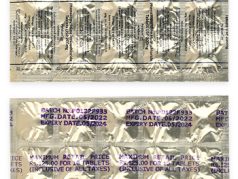
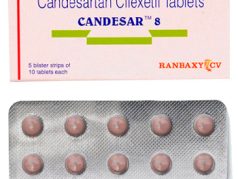
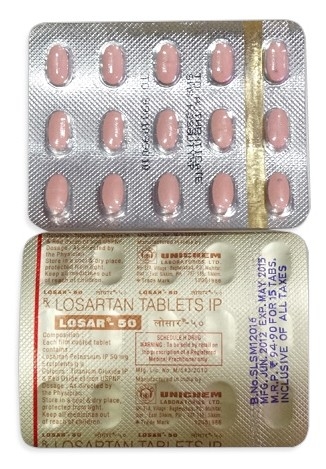
In practice, minoxidil is sold with sealed topical bottles or foams, while oral products are usually in blister packaging.
That packaging difference is a useful clue when identifying whether a product is meant for scalp use or prescription use.
Consolidated FAQ
These are the questions that come up most often at the counter and in online pharmacy chats.
Does Minoxidil Work For Everyone?
No.
It is most established for androgenetic alopecia and works best with consistent use.
Some people respond well, while others see only modest change.
How Long Before Results?
Usually 2–4 months for early change, with maximal benefit around 12 months.
That timeline is typical for both minoxidil foam and solution when used correctly.
Can Women Use It?
Yes.
Topical products are commonly used in women, especially 2% formulations.
Some women may use 5% depending on product and clinician advice.
Can Oral Tablets Be Used For Hair Loss?
This is off-label and should be specialist-led.
Oral minoxidil tablets are licensed for hypertension, not routine hair regrowth.
Because the risk profile is different, it should not be self-started.
Visual Guide
What should you expect the product to look like when it arrives?
That matters, because people often confuse scalp products with tablets, or vice versa.
Rogaine and Regaine are usually seen as solution bottles or foam cans, while oral minoxidil appears as blister-packed tablets.
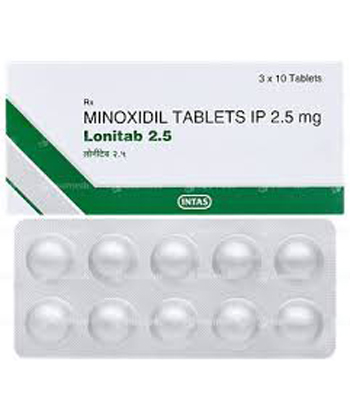
Kirkland minoxidil is commonly a 5% solution in a 60ml bottle, and Lonitab or Lonit are examples of oral tablets in some markets.
What The Product Looks Like
Typical products include liquid dropper bottles, foam cans, and oral blister packs.
Minoxidil spray-style bottles are used for topical application, while blister packs are for prescription tablets.
How To Identify The Right Format
Topical
Look for 2%, 5%, or another labelled topical strength in a 60ml bottle or 60g foam pack.
That is the format most people buy for hair loss treatment.
Oral
Tablets are usually 2.5mg, 5mg, or 10mg and require prescription oversight.
If the pack says hypertension, it is not a routine self-care hair loss product.
Storage And Transport
Storage sounds dull until a bottle is left in a hot car or bathroom cabinet and stops being safe to use.
Minoxidil should be stored at room temperature, ideally 15–30°C, and kept away from heat, moisture, and light.
Bottles should stay tightly closed.
Topical solutions are flammable, so they should be kept away from flames and stored safely during transport.
Storage Conditions
Room temperature storage is the standard advice for both home use and pharmacy stock.
That applies to topical minoxidil foam and solution, as well as oral products stored in their original packs.
Handling Warnings
Flammability is the key practical warning for topical liquid solutions.
That matters if a patient applies the product and then uses a hairdryer, smokes, or stores the bottle near heat.
Guidelines For Proper Use
How should minoxidil be used safely so it has the best chance of working?
Apply it to a dry scalp exactly as directed, usually once or twice daily depending on the formulation.
Wash hands after use and avoid over-application.
More product does not mean faster hair regrowth.
How To Apply Safely
Topical minoxidil should be applied only to the scalp, not to other skin areas.
It is best used on dry skin so the medicine stays where it is needed.
After application, hands should be washed unless the hands are the target area for some reason.
Missed Dose And Overdose
Missed Dose
Apply the next dose as soon as remembered unless it is nearly time for the next one.
Do not double up.
Overdose
For topical product, wash the area with water and seek advice if significant irritation or systemic symptoms occur.
Oral overdose can cause severe hypotension and tachycardia and needs urgent medical help.
Delivery Across United Kingdom
| City | Region | Delivery Time |
|---|---|---|
| London | Greater London | 5-7 days |
| Birmingham | West Midlands | 5-7 days |
| Manchester | North West England | 5-7 days |
| Glasgow | Scotland | 5-7 days |
| Edinburgh | Scotland | 5-7 days |
| Leeds | West Yorkshire | 5-7 days |
| Liverpool | North West England | 5-7 days |
| Newcastle upon Tyne | North East England | 5-7 days |
| Sheffield | South Yorkshire | 5-7 days |
| Bristol | South West England | 5-7 days |
| Leicester | East Midlands | 5-9 days |
| Nottingham | East Midlands | 5-9 days |
| Cardiff | Wales | 5-7 days |
| Belfast | Northern Ireland | 5-7 days |