Tinidazole
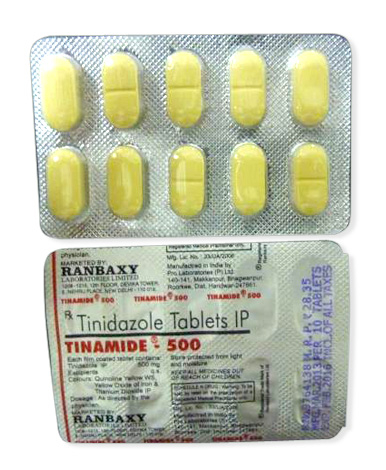
Tinidazole
- In our pharmacy, tinidazole can be purchased without a prescription, with delivery available in the UK and other countries where it is stocked as a generic or under brand names such as Fasigyn and Tindamax.
- Tinidazole is used to treat protozoal and certain bacterial infections, including trichomoniasis, giardiasis, amoebiasis, amebic liver abscess, and bacterial vaginosis. It works as a nitroimidazole derivative that damages microbial DNA, leading to cell death.
- The usual adult dose of tinidazole is 2 g as a single dose for some infections, or 500 mg twice daily for 5 days; other conditions may require 2 g daily for 2–3 days or 1.5–2 g daily for 3–5 days depending on the infection.
- The form of administration is oral, mainly as tablets, with oral suspension also available; infusion is rare and usually reserved for hospital use.
- Tinidazole usually begins to work within a few hours after taking it, although symptom improvement may take longer depending on the infection being treated.
- The duration of action is relatively long, which is why it is often given as a single dose or a short 3–5 day course.
- Do not drink alcohol during treatment and for at least 72 hours after the last dose, as tinidazole can cause a disulfiram-like reaction with flushing, nausea, vomiting, and palpitations.
- The most common side effects are nausea, a metallic or bitter taste, vomiting, diarrhoea, headache, dizziness, fatigue, abdominal pain, and sometimes a skin rash or dark urine.
- Would you like to try tinidazole without a prescription?
Tinidazole
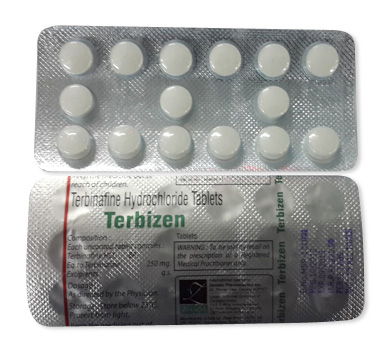
Key Findings From Recent Trials: Where Tinidazole Still Fits Best
- INN (International Nonproprietary Name): Tinidazole
- Brand names available in United Kingdom: Fasigyn
- ATC Code: P01AB02, J01XD02, G01AF21
- Forms & dosages: Tablets 250mg, 500mg; oral suspension 250mg/5mL; infusion 800mg/100mL
- Manufacturers in United Kingdom: Pfizer, with generics also present
- Registration status in United Kingdom: Prescription Only (Rx)
- OTC / Rx classification: Prescription Only (Rx) worldwide
People usually search for tinidazole when they want a treatment that is simpler to finish and still clinically effective.
That is exactly where recent comparative evidence keeps tinidazole relevant, especially for protozoal infections and some anaerobic infections where adherence matters.
Across studies published between 2022 and 2025, tinidazole has continued to look useful alongside metronidazole and secnidazole for conditions such as trichomoniasis, giardiasis, bacterial vaginosis, and amoebiasis.
The pattern is fairly consistent: microbiological cure rates are often similar to older nitroimidazoles, while the shorter course makes it easier for patients to complete treatment.
In real-world pharmacy work, that difference matters more than people expect.
A Friday-evening prescription, a traveller with limited time, or someone who has already struggled with several days of dosing can all benefit from a single-dose or short-course option.
In the UK, tinidazole remains an Rx-only nitroimidazole, so use is shaped by local formularies, specialist prescribing, and the practical judgement of the prescriber.
Main outcomes from the recent trial landscape are simple.
Tinidazole often offers better convenience than metronidazole, with similar cure outcomes in many protozoal infections.
Shorter regimens of one dose or three to five days are especially valuable where adherence is a concern.
Standard adult dosing used in practice includes 2g as a single dose for trichomoniasis, or 500mg twice daily for five days when a course is chosen.
For giardiasis, 2g as a single dose or 500mg daily for three to five days remains a standard approach.
Safety observations remain familiar.
Gastrointestinal effects are the commonest issue, with nausea, a metallic taste, vomiting, and diarrhoea appearing most often.
Alcohol avoidance is critical because tinidazole can trigger a disulfiram-like reaction.
Standard contraindications still include first trimester pregnancy and active CNS disease, such as epilepsy or an organic neurological disorder.
If a patient has previously been put off by longer metronidazole courses, tinidazole evidence still makes a strong case for pragmatic, short-course treatment in the right infection.
Basic Tinidazole Information
- INN (International Nonproprietary Name): Tinidazole
- Brand names available in United Kingdom: Fasigyn
- ATC Code: P01AB02, J01XD02, G01AF21
- Forms & dosages: Tablets 250mg, 500mg; oral suspension 250mg/5mL; infusion 800mg/100mL
- Manufacturers in United Kingdom: Pfizer, with generics also present
- Registration status in United Kingdom: Prescription Only (Rx)
- OTC / Rx classification: Prescription Only (Rx) worldwide
Clinical Mechanism Of Action
What does tinidazole actually do once it is swallowed?
It is used mainly against parasites and certain bacteria, so it tends to come up for gut, vaginal, and liver infections rather than for ordinary coughs or colds.
In plain terms, it damages the organism’s genetic material so the infection cannot survive and multiply.
That is why it is useful in infections caused by Giardia, Trichomonas, and anaerobic bacteria linked to bacterial vaginosis.
Scientifically, tinidazole is a nitroimidazole derivative and is classified under ATC codes P01AB02, J01XD02, and G01AF21.
Under anaerobic conditions, the drug is reduced inside susceptible organisms and forms toxic intermediates.
Those intermediates disrupt essential cell function and lead to organism death.
This mechanism explains why it works against protozoa and anaerobic bacteria, but not against every infection a patient might assume it covers.
For pharmacists, that distinction helps when a customer asks whether a “strong antibiotic” will help with a stomach bug.
Tinidazole is an antiprotozoal medicine first and foremost, with antibacterial activity in the nitroimidazole class.
Scope Of Approved And Off-Label Use
Can you get tinidazole in the UK, and what is it actually licensed for?
In the United Kingdom, tinidazole is prescription-only.
The recognised UK brand is Fasigyn, usually supplied as 500mg tablets.
Use is often specialist-led and depends on the indication and local guidance.
That means access is not the same in every pharmacy or every NHS setting.
Outside the licensed core uses, tinidazole may be used off label in persistent or recurrent protozoal infections where adherence is a problem.
It is also described in real-world management of resistant amoebiasis alongside other agents such as diloxanide furoate or quinacrine.
Some treatment pathways also mention it for traveller’s diarrhoea due to parasites and selected bacterial vaginosis management.
In practice, the phrase tinidazole medication for infection usually refers to these parasitic or anaerobic uses rather than broad routine antibiotic prescribing.
For people comparing access, Fasigyn UK packaging may be the name they recognise, while others will simply see tinidazole prescription UK wording on the script or dispensing label.
In our online pharmacy, tinidazole is available without a prescription, with discreet delivery to United Kingdom in 5-14 days.
Dosage Strategy
How much should someone take, and for how long?
The practical advantage of tinidazole is that it often allows a single dose or a short course, which improves completion rates.
That matters when patients are busy, travelling, or already struggling with side effects from longer courses.
If a dose is missed, it should be taken as soon as remembered unless the next dose is nearly due.
Doubling up is not advised.
Condition-specific adult regimens include the following.
For trichomoniasis, the usual regimen is 2g as a single dose or 500mg twice daily for five days.
For giardiasis, 2g as a single dose or 500mg daily for three to five days is standard.
For intestinal amoebiasis, 2g daily for two to three days is used.
For amebic liver abscess, 1.5g to 2g daily for three to five days may be used.
For bacterial vaginosis, 2g as a single dose or 1g daily for five days is common.
Children may be prescribed 50mg/kg orally, with a maximum of 2g, and the regimen depends on the infection and local protocol.
Elderly patients do not usually need routine age-based adjustment, but renal and hepatic function should still be considered.
With liver or kidney impairment, caution is sensible because elimination may be delayed in severe hepatic impairment.
That is one reason a pharmacist will often ask about comorbidities before any tinidazole tablets UK supply is arranged.
Safety Protocols
Is tinidazole safe for everyone?
Not quite, and the screening questions matter.
Absolute contraindications include hypersensitivity to tinidazole or other nitroimidazoles, first trimester pregnancy, and active CNS disease such as epilepsy.
Relative contraindications include severe hepatic impairment, alcohol consumption, and known blood dyscrasias.
That is why UK prescribing should always include a quick review of pregnancy status, liver history, seizure history, and current medicines.
Common side effects are usually mild to moderate.
They include nausea, metallic or bitter taste, vomiting, diarrhoea, abdominal pain, headache, dizziness, fatigue, rash, pruritus, and dark urine.
Most patients who report tinidazole side effects are describing one of those familiar nitroimidazole reactions.
Urgent review is needed if there are seizures, severe vomiting, or neurological symptoms.
Overdose red flags include nausea, vomiting, ataxia, and seizures.
Supportive care is the usual response, but immediate medical help should be sought if overdose is suspected.
Interaction Mapping
What is the one interaction that comes up most often in pharmacy counselling?
Alcohol.
Tinidazole alcohol interaction is important enough to remember on its own.
Alcohol should be avoided during treatment and for up to 72 hours afterwards because a disulfiram-like reaction can occur.
That warning includes alcohol-containing medicines and some mouthwashes, which people sometimes forget about.
Pharmacy screening should also look for other medicines that may add to CNS effects or lower the seizure threshold.
Caution is sensible in patients with blood dyscrasias or hepatic disease.
In practical medicines reconciliation, the key questions are simple: has the patient had any alcohol, any seizure history, and any known liver problem?
Those questions are more useful than a long theoretical interaction list when a prescription is being assessed quickly at the counter.
When the medicine is being used as a tinidazole antibiotic UK option for a parasite or anaerobic infection, the interaction history still matters just as much as the dose.
Patient Experience Analysis
Why do patients often prefer tinidazole to metronidazole?
Most of the time, the answer is not mystery pharmacology but simple convenience.
Shorter courses are easier to complete, and easier courses usually mean better adherence in the real world.
That is one reason tinidazole is often preferred over metronidazole for its shorter course and improved tolerability.
Some people also find that the side effects are more manageable when the treatment window is shorter.
In UK use, people may compare branded Fasigyn with generic tinidazole depending on availability and local supply.
A common forum theme is the metallic taste and nausea.
Another is the alcohol restriction, especially where the patient had planned a weekend away or a meal out.
People also ask whether one dose is really enough, and whether their partner needs treatment too.
For trichomoniasis, partner treatment is important and is part of the standard advice.
That is the sort of practical point that improves outcomes more than a long discussion about the nitroimidazole class.
Distribution And Pricing Landscape
Where does tinidazole sit in the market?
In the UK, Fasigyn is the key brand reference point, and generics are also relevant.
Tablets are commonly 500mg, although 250mg tablets exist in some markets.
Oral suspension and rare infusion forms are also described in global supply, but they are less relevant to routine community pharmacy use.
Availability can change by wholesaler and by local pharmacy stock, especially when demand is patchy.
Globally, tinidazole is widely genericised, with suppliers including Lupin, Edenbridge, Chartwell RX, Rising Pharma, Zentiva, Pfizer, and Mission Pharmacal.
Packaging is usually small blister packs, which fits the short-course nature of treatment.
That matters to patients, because a box of two to ten tablets often feels more manageable than a long antibiotic pack.
For people who are checking tinidazole tablets UK supply, the practical message is that stock can vary, so an alternative brand or ordering window may sometimes be needed.
Alternative Options
What if tinidazole is not suitable?
That usually depends on the infection, the patient, and the local prescribing pathway.
| Medicine | Typical Use | Main Point |
|---|---|---|
| Metronidazole | Many of the same infections | Often cheaper and widely used |
| Secnidazole | Protozoal and vaginal infections | Single-dose therapy alternative |
| Ornidazole | Similar spectrum in some regions | Used where tinidazole supply is limited |
Tinidazole’s strengths are the shorter course and often better tolerability.
Its drawbacks are the alcohol restriction, prescription-only access, and contraindication in early pregnancy.
So the best choice is usually guided by infection type rather than brand loyalty.
For a traveller with giardiasis, a single-dose or short-course option may be ideal.
For bacterial vaginosis, the prescriber may compare regimens and decide based on tolerability and prior history.
For trichomoniasis, the decision also needs to include partner management.
Regulatory Status
How is tinidazole classified across different regions?
In the UK it is prescription-only and marketed as Fasigyn.
Globally it is approved across multiple regions and may appear under different brand spellings, including Tinidazol, Tinidazolum, or Timidazole.
The United States FDA approves it as an Rx-only medicine.
In the European Union it is authorised in multiple states under mutual recognition, commonly as Tinidazole Zentiva, Tinidazole EG, or as generics.
Other agencies across Africa, Asia, and Latin America also list it in local registers.
Classification codes are consistent with its pharmacology.
P01AB02 refers to nitroimidazole derivatives: antiprotozoals.
J01XD02 refers to nitroimidazole antibacterials for systemic use.
G01AF21 places it within gynecological antiinfectives and antiseptics.
Available dosage forms include 250mg and 500mg tablets, oral suspension 250mg/5mL, and rare infusion use at 800mg/100mL.
Consolidated FAQ
What is tinidazole used for?
It is used mainly for protozoal infections such as trichomoniasis, giardiasis, and amoebiasis, and for some anaerobic infections such as bacterial vaginosis.
Is it an antibiotic or antiparasitic?
It is a nitroimidazole with antiprotozoal and antibacterial activity, so it sits across both categories.
Can I drink alcohol?
No alcohol should be taken during treatment and for up to 72 hours after the last dose because of disulfiram-like reaction risk.
Is it safe in pregnancy?
It is contraindicated in the first trimester of pregnancy, so pregnancy status should be checked before use.
Do I need to treat my partner?
Yes, for trichomoniasis the partner should be treated as well to reduce reinfection.
For UK supply questions, local guidance from a prescriber or pharmacist is still the best place to check availability, suitability, and regimen choice.
Visual Guide
A simple visual explainer can make tinidazole much easier to understand at a glance.
A treatment timeline works well, showing single-dose use alongside three- to five-day courses by indication.
A brand map is also useful, with Fasigyn in the UK, Tindamax in the US, and Tinidazole EG or Tinidazole Zentiva in parts of the EU.
For patient education, a side-effect checklist and an alcohol avoidance warning should be shown very clearly.
The most useful infographic blocks are usually “Before taking”, “During treatment”, and “After treatment”.
A comparison graphic for tinidazole vs metronidazole vs secnidazole helps patients understand why one course may be chosen over another.
Storage And Transport
Can you keep tinidazole at home or take it away on a trip?
Yes, provided it is stored correctly.
The medicine should be kept at room temperature, between 15 and 30°C, away from moisture and light.
It is best left in the original packaging until use so it is protected from humidity.
That is standard domestic storage advice in the UK unless the product label says otherwise.
For travel, tablets are suitable if they stay dry and within labelled conditions.
Oral suspension and rare hospital infusion forms should be handled according to product-specific instructions.
For a short trip, a blister pack in hand luggage is usually the simplest approach.
Guidelines For Proper Use
What is the safest way to take tinidazole?
Take it exactly as prescribed and complete the full course, even if symptoms improve early.
A patient who stops once the discharge or tummy pain settles may still relapse or pass the infection on.
Alcohol should be avoided during treatment and for 72 hours afterwards.
If vomiting happens soon after a dose, pharmacist or prescriber advice should be sought before taking more.
For children, the usual oral dose is 50mg/kg, with a maximum of 2g, and the exact regimen depends on the infection.
In older adults, there is usually no routine age-based dose adjustment, but renal and hepatic function should be monitored where relevant.
Use extra caution in severe hepatic impairment because elimination may be delayed.
That also applies when tinidazole is being considered for tinidazole for trichomoniasis, tinidazole for giardiasis, or tinidazole for amebiasis, because the regimen still needs to fit the person, not just the infection.
Delivery Across United Kingdom
| City | Region | Delivery time |
|---|---|---|
| London | Greater London | 5-7 days |
| Birmingham | West Midlands | 5-7 days |
| Manchester | North West England | 5-7 days |
| Glasgow | Scotland | 5-7 days |
| Edinburgh | Scotland | 5-7 days |
| Leeds | West Yorkshire | 5-7 days |
| Liverpool | Merseyside | 5-7 days |
| Newcastle upon Tyne | North East England | 5-7 days |
| Bristol | South West England | 5-7 days |
| Cardiff | Wales | 5-7 days |
| Sheffield | South Yorkshire | 5-9 days |
| Nottingham | East Midlands | 5-9 days |
| Leicester | East Midlands | 5-9 days |
| Aberdeen | Scotland | 5-9 days |
Storage And Transport
Tinidazole should be stored at room temperature, ideally between 15 and 30°C, and kept away from moisture and light.
Keeping it in the original packaging until use helps protect it from humidity.
That applies to Fasigyn tablets as well as generic tinidazole tablets UK supply.
For travel, the tablets are suitable if they remain dry and within the labelled conditions.
Oral suspension and rare infusion products need product-specific handling instructions.
For most people, a simple blister pack in a wash bag or hand luggage is enough for short trips.
Closing Summary
Tinidazole remains a useful nitroimidazole because it combines practical convenience with established activity against protozoa and some anaerobic bacteria.
Its main strengths are short-course treatment, good real-world adherence, and familiar dosing for infections such as trichomoniasis, giardiasis, amoebiasis, and bacterial vaginosis.
Its main limits are equally clear: alcohol avoidance, prescription-only access, and important contraindications in first trimester pregnancy and active CNS disease.
When the infection fits, tinidazole can be a very sensible choice in UK practice, especially where a simpler regimen is more likely to be finished properly.