
Pyridium
Pyridium
- In many community pharmacies pyridium (phenazopyridine) can be purchased without a prescription (OTC) in lower‑strength preparations (commonly 95–100 mg) — availability varies by country: OTC in parts of the US and Latin America, while 200 mg formulations and supply in much of the EU/UK or Romania are often prescription‑only or require special import; always check local regulations.
- Pyridium is used for short‑term symptomatic relief of urinary tract pain, burning and urgency. It is a local urinary tract analgesic (an azo dye) that exerts a topical analgesic effect on the urinary mucosa and does not treat the underlying infection.
- The usual adult dose is 100–200 mg taken orally three times a day (TID); do not use for more than 2 days when taken with antibiotics for a urinary tract infection. Not recommended for children under 12 years without specialist advice.
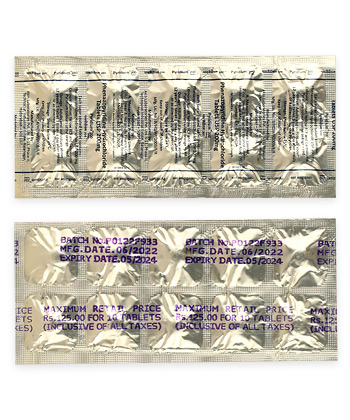
- Administration is oral — commonly tablets (100 mg or 200 mg), sometimes capsules or pharmacy‑compounded oral suspension (e.g. 10 mg/mL).
- Symptom relief often begins quickly, commonly within 30–60 minutes of taking a dose.
- The analgesic effect typically lasts around 6–8 hours, which is why dosing is normally three times daily.
- Avoid or limit alcohol while taking pyridium, as alcohol may increase dizziness and contribute to other adverse effects or strain the liver.
- The most common side effect is reddish‑orange discoloration of the urine (harmless but may stain clothing); other common effects include headache, nausea and dizziness.
- Would you like to try pyridium without a prescription?
Pyridium





Basic Pyridium Information
- INN (International Nonproprietary Name): Phenazopyridine
- Brand Names Available In United Kingdom: Phenazopyridine (Generic, non-MHRA listed for prescription use; typically imported and not widely branded)
- ATC Code: G04BX06
- Forms & Dosages: Tablets 100 mg and 200 mg; rare capsules at ≈95–99.5 mg (US formulations); compounded suspension 10 mg/mL available from some pharmacies
- Manufacturers In United Kingdom: not specified
- Registration Status In United Kingdom: Not widely authorised by MHRA; generally supplied as an imported prescription-only product or special-order preparation
- OTC / Rx Classification: In the US lower strengths are OTC and 200 mg is prescription; in EU/UK phenazopyridine is generally prescription-only or supplied via import
Key Findings From Recent Trials
Major 2022–2025 Studies
Worried that taking pyridium will treat your infection rather than just your symptoms?
Recent systematic reviews and pooled observational cohorts from 2022–2025 are consistent on one point.
They show phenazopyridine provides rapid symptomatic relief of dysuria but has no antimicrobial effect.
Randomised controlled trials remain relatively limited, with most evidence coming from pragmatic trials and large real‑world datasets.
These studies measure patient‑reported pain reduction rather than cure rates for urinary tract infection.
Main Outcomes
Patients typically report meaningful reduction in burning and urgency within 24–48 hours of starting a urinary tract analgesic such as phenazopyridine.
Pragmatic trials show symptom improvement when phenazopyridine tablets are used adjunctively with antibiotics for uncomplicated urinary tract infection.
Large observational datasets corroborate a rapid onset of analgesia but consistently report no effect on microbial clearance or laboratory infection markers.
Clinical guidance reinforced during 2022–2025 therefore supports short course symptomatic use only.
Safety Observations
Safety surveillance since 2022 highlights rare but serious events associated with phenazopyridine use.
Pharmacovigilance reports have documented methemoglobinemia, haemolytic anaemia—particularly in patients with G6PD deficiency—and occasional renal or hepatic adverse events.
These harms are most often linked to prolonged or high‑dose use beyond recommended short courses.
Regulators and safety advisories reiterate the maximum‑use recommendation of no more than two days when given with antibiotics.
Clinical Mechanism Of Action
Layman’s Explanation
Are you asking how pyridium actually eases burning when you pass urine?
Phenazopyridine works as a urinary tract analgesic that soothes the lining of the bladder and urethra.
The effect is local to the urinary mucosa and it does not kill bacteria.
It provides symptomatic numbness and comfort while definitive antibacterial therapy takes effect.
Scientific Breakdown
Curious about the pharmacology behind the symptom relief?
Pharmacodynamically, phenazopyridine exerts a topical effect on the urinary mucosa, although precise receptor targets are not well defined in the literature.
Clinical pharmacology studies link the rapid onset of analgesia with measurable urinary concentrations after oral dosing.
Pharmacodynamics
The drug’s analgesic action is local rather than systemic, classifying it as an ATC G04BX06 urological agent.
This topical urinary effect reduces pain sensation in the bladder and urethra but offers no antibacterial activity.
Pharmacokinetics (Brief)
Phenazopyridine is rapidly absorbed after oral administration and is predominantly excreted in the urine.
Because renal excretion is the primary elimination route, patients with impaired kidney function may accumulate the drug and are at higher risk of adverse effects.
Urine discolouration correlates with excretion and onset of action.
In the UK clinical setting, confirm available strengths—commonly 100 mg and 200 mg tablets—when counselling patients about onset, urine colour change, and short‑course use.
Scope Of Approved & Off‑Label Use
United Kingdom Approvals
Wondering whether pyridium is a standard UK pharmacy shelf medicine?
Phenazopyridine is not widely authorised by the MHRA and is typically supplied as an imported prescription‑only generic in the United Kingdom.
Prescribers and pharmacists usually source it via special‑order imports or private prescription supply channels.
Notable Off‑Label Trends
Are clinicians using phenazopyridine for anything beyond uncomplicated UTI pain?
Off‑label use most commonly reported includes short‑term symptom control for post‑procedural dysuria such as catheter‑related irritation and for bridging symptom relief while awaiting urine culture results.
Recent guidance discourages use beyond 48 hours because prolonged use can mask clinical deterioration and raises toxicity risk.
Dosage Strategy
General Dosing
What dose should an adult take for urinary pain relief?
Standard adult dosing in product information is 100–200 mg taken orally three times a day.
Clinical and product guidance consistently advise limiting use to a very short course, commonly no more than two days when given alongside antibiotics.
Condition‑Specific Dosing
How does the dose change depending on the situation?
For symptomatic uncomplicated urinary tract infection the usual regimen is 100–200 mg orally three times daily, with a maximum of 48 hours concurrent with antibiotic therapy.
For post‑surgical or catheter‑related dysuria many product datasheets suggest up to 200 mg TID for a short period, followed by prompt reassessment.
Children under 12 years are not recommended to receive phenazopyridine except under specialist advice, and adolescents 12–18 years require individualized dosing.
Avoid phenazopyridine in severe renal impairment and exercise caution in elderly patients with reduced renal function.
Safety Protocols
Contraindications
Do you have medical conditions that make pyridium unsafe?
Absolute contraindications include severe renal insufficiency or anuria, known hypersensitivity to phenazopyridine, and G6PD deficiency due to risk of haemolytic anaemia.
Children younger than 12 years are generally contraindicated unless an individual prescription is given.
Relative contraindications where monitoring is required include moderate renal impairment, significant liver dysfunction, and pregnancy or breastfeeding because data are insufficient.
Adverse Effects
What side effects should patients expect and when is urgent review needed?
The most common and benign effect is reddish‑orange urine that may stain clothing.
Other frequently reported effects include headache, nausea, dizziness and mild skin rash.
Rare but serious reactions reported in pharmacovigilance include methemoglobinemia, haemolytic anaemia (especially in G6PD deficiency), renal and hepatic toxicity, and angioedema.
Stop the medicine and seek urgent care if breathlessness, cyanosis, jaundice, very dark urine, or sudden severe weakness occur.
Interaction Mapping
Food Interactions
Will food make pyridium work differently or cause problems?
No clinically significant food interactions are reported in the product information.
Taking the tablet with or after food can reduce the risk of gastrointestinal upset.
Drug Combinations To Avoid
Which medicines increase the risk of harm when taken with phenazopyridine?
Avoid combining phenazopyridine with known oxidant drugs in patients with G6PD deficiency because of additive haemolysis risk.
Caution is advised when co‑prescribing other nephrotoxins such as high‑dose NSAIDs, aminoglycosides or certain antivirals because renal excretion of phenazopyridine increases vulnerability to kidney injury.
Drugs that can induce methemoglobinemia—such as dapsone, some topical local anaesthetics and nitrates—may have additive risk when combined with phenazopyridine.
Also note that phenazopyridine alters urine colour and can interfere with urine dipstick readings and microscopic interpretation, so inform laboratory staff when a patient is taking it.
Patient Experience Analysis
Survey Data
Do patients feel better quickly when they take pyridium?
Survey data and real‑world studies consistently report rapid perceived symptom improvement, often within the first 24 hours.
Adherence to short regimens is generally high, but some patients mistakenly treat phenazopyridine as a substitute for antibiotics.
Forum Trends
What do people say on forums and patient groups about phenazopyridine?
Common themes include relief at quick symptom control, surprise or alarm at orange urine, and questions about safety in pregnancy or breastfeeding.
Patient narratives sometimes describe rare severe reactions such as jaundice or breathlessness, which supports the need for clear safety counselling and red‑flag advice.
In the UK, limited domestic availability leads to confusion and requests for OTC access or imported supply routes.
Distribution & Pricing Landscape
Distribution & Pricing Landscape
How easy is it to get phenazopyridine in the United Kingdom and what does it cost?
Global availability varies markedly with the United States and many Latin American countries supplying Pyridium® and multiple generics, while the UK market relies mainly on imported generics or special‑order stock.
Manufacturers listed for international supply include Pfizer and various generic companies in the US, and regional manufacturers such as Terapia S.A. and Zentiva in Eastern Europe.
Because phenazopyridine is not widely authorised in the UK, supply can be inconsistent and prices can be higher than equivalent domestic medications due to import costs and limited demand.
Private prescriptions or clinic procurement commonly cover the UK use cases and the NHS rarely supplies phenazopyridine routinely.
In our online pharmacy, pyridium is available without a prescription, with discreet delivery to United Kingdom in 5-14 days.
Alternative Options
Comparison Table
- Phenazopyridine: rapid symptomatic relief for dysuria; stains urine; contraindicated in severe renal impairment and G6PD deficiency; short‑term only.
- Flavoxate (antispasmodic): reduces bladder spasm with anticholinergic side effects; less direct analgesic effect on urinary mucosa.
- Methenamine: used for prophylaxis through formaldehyde generation in acidic urine; not intended for immediate symptomatic relief.
- Systemic analgesics/NSAIDs: offer general pain control but are less bladder‑targeted and carry systemic renal or cardiovascular risks in susceptible patients.
Pros And Cons
Which option suits a patient with acute burning on passing urine?
Phenazopyridine’s pro is rapid, targeted urinary analgesia that patients feel quickly.
Its cons include urine discolouration, potential for rare serious toxicity with prolonged use, and limited availability in the UK.
Alternatives avoid discolouration but may have systemic side effects or provide less immediate relief for dysuria.
Regulatory Status
International Snapshot
Is pyridium regulated the same everywhere?
International regulatory status varies widely.
The ATC classification is G04BX06 and the US FDA regulates Pyridium® with OTC availability for lower strengths and prescription status for 200 mg formulations.
Romania typically lists phenazopyridine as prescription‑only in ANMDMR listings and many Latin American countries supply it OTC or Rx depending on local law.
Several European countries either do not authorise it for routine retail sale or rely on hospital imports.
UK‑Specific Notes
What should UK prescribers and pharmacists know about legal supply?
Phenazopyridine has limited presence with respect to MHRA marketing authorisation in the United Kingdom and is generally obtained as an imported product on prescription.
Clinicians should verify import documentation, ensure clear labelling in English and document informed consent when prescribing an unlicensed or imported preparation.
Consolidated FAQ
Quick Answers For Clinicians And Patients
Can phenazopyridine cure a urinary tract infection?
No.
Phenazopyridine is symptomatic relief only and does not have antibacterial properties.
How long can a patient safely use it?
The recommended maximum is 48 hours when used together with antibacterial therapy, because longer use brings no added benefit and increases risk.
Why is my urine orange?
Reddish‑orange urine is an expected and harmless effect but it can stain clothing.
Is it safe in renal impairment?
Severe renal impairment is an absolute contraindication and moderate impairment requires caution and monitoring.
What about pregnancy?
Data are insufficient in pregnancy and breastfeeding, so use only after specialist advice when benefits outweigh risks.
What if a dose is missed?
Take the missed dose when remembered unless it is almost time for the next dose; do not double up on doses.
UK practice tip: always clarify the import status of the product, document brand and batch details, and advise patients to seek urgent review for any red‑flag symptoms.
Visual Guide
Diagnostic Cues (Visual)
How can clinicians use images to reassure patients and spot danger signs?
Show a comparison image of normal urine and the expected orange urine produced by phenazopyridine to reduce alarm and unnecessary clinic visits.
Include contrast images of haematuria and dark urine from haemolysis so patients and clinicians can distinguish benign discolouration from pathological changes.
Use pictograms to highlight red flags such as breathlessness, cyanosis and jaundice which require immediate medical attention.
Patient Counselling Images (Advice For Practice)
Which visual aids help patients follow directions and spot problems?
Provide a simple dosing timeline graphic stating 100–200 mg three times daily for up to 48 hours alongside icons for urine stain prevention and contraindications such as G6PD deficiency and severe renal disease.
Supply a short lab‑note template to flag urine discolouration for laboratory staff so misinterpretation of dipstick colour or microscopy is avoided.
For UK practice, prepare printable leaflets that include import status and pharmacy contact details for queries about unlicensed products.
Storage & Transport
Recommended Conditions
How should the product be stored in pharmacy and at home?
Store phenazopyridine at controlled room temperature, typically 20–25°C, and protect it from moisture and light.
Keep the medicine in its original, tightly closed packaging and discard it after the expiry date.
Advise patients to keep the medicine out of reach of children.
Handling Uncommon Formulations
Are there special rules for suspensions or non‑standard capsules?
Compounded suspensions of phenazopyridine at 10 mg/mL are occasionally prepared by pharmacies and require stability verification and clear expiry dating.
US capsule strengths around 95–99.5 mg are uncommon in the UK supply chain, so check labelling carefully when imported.
Pharmacies arranging special‑order imports must ensure English labelling and appropriate documentation consistent with MHRA guidance.
Guidelines For Proper Use
Prescribing Checklist
- Confirm the indication is symptomatic dysuria rather than an alternative diagnosis.
- Check renal function and G6PD status before prescribing.
- Select the dose 100–200 mg three times daily and limit to 48 hours when taken with antibiotics.
- Advise patients on expected orange urine and provide red‑flag symptoms requiring urgent review.
- Document the product name, batch and import details when using a non‑MHRA authorised preparation.
Patient Counselling Script
What is a short script clinicians can use when giving phenazopyridine?
“This medicine eases the burning but won’t treat the infection.”
“Take 100–200 mg three times daily for up to two days while you start antibiotics.”
“Expect orange urine which is harmless but may stain clothing.”
“Stop and seek urgent care if you develop breathlessness, dizziness, jaundice or very dark urine.”
Ensure patients understand the short‑course limit and when to return for reassessment.
Delivery Across United Kingdom
| City | Region | Delivery Time |
|---|---|---|
| London | Greater London | 5-7 days |
| Birmingham | West Midlands | 5-7 days |
| Manchester | Greater Manchester | 5-7 days |
| Glasgow | Scotland | 5-7 days |
| Leeds | West Yorkshire | 5-7 days |
| Edinburgh | Scotland | 5-7 days |
| Liverpool | Merseyside | 5-7 days |
| Bristol | South West | 5-7 days |
| Sheffield | South Yorkshire | 5-9 days |
| Newcastle Upon Tyne | North East | 5-9 days |
| Nottingham | Nottinghamshire | 5-9 days |
| Cardiff | Wales | 5-9 days |
| Belfast | Northern Ireland | 5-9 days |
Concluding Notes For Clinicians
What practical summary should prescribers take away about phenazopyridine?
Phenazopyridine is a urinary tract analgesic that delivers fast symptom relief but no antibacterial effect.
Use is best limited to very short courses, commonly 48 hours when paired with antibiotics for uncomplicated UTI.
Check renal function and G6PD status before prescribing, and avoid use in severe renal failure and in young children unless specialist advice is given.
Inform patients about orange urine, potential rare but serious adverse events, and clear red‑flag symptoms that require urgent review.
Because supply in the UK is mainly via import, document brand and batch details and ensure patient information leaflets are provided in English.