
Stugeron

Stugeron
- In many pharmacies in the United Kingdom and across the EU you can buy stugeron (cinnarizine 25 mg) over the counter without a prescription; it is also widely available from online pharmacies with home delivery and discreet packaging.
- Stugeron is used to prevent and treat motion sickness, vertigo and vestibular disorders and to help certain cerebral or peripheral circulatory complaints; cinnarizine acts as a calcium‑channel blocker with antihistaminic and anti‑vestibular effects, reducing vestibular excitation and improving microcirculation.
- Usual adult dosage: for motion sickness 25 mg taken about 2 hours before travel and repeated every 8 hours if needed; for vertigo/vestibular disorders 25 mg three times daily (total 75 mg/day).
- Form of administration: oral tablet (25 mg most common); extended‑release tablets and syrup/suspension are available in some regions.
- Onset time: effects typically begin within about 1–2 hours, which is why a dose is recommended around 2 hours before travel.
- Duration of action: clinical effect generally lasts up to about 8 hours, hence dosing every 8 hours when required.
- Alcohol warning: avoid alcohol while taking stugeron as it increases drowsiness and sedation and may worsen impaired concentration and coordination.
- The most common side effec is drowsiness (other frequent effects include dry mouth, mild nausea, headache and fatigue; prolonged use can cause weight gain or, rarely, extrapyramidal symptoms, especially in the elderly).
- Would you like to try stugeron without a prescription?
Stugeron
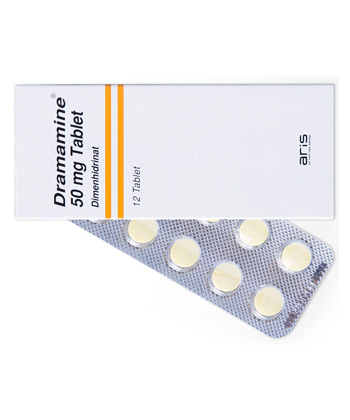

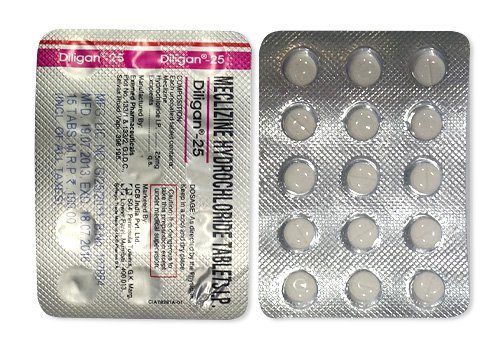
Basic Stugeron Information
- INN (International Nonproprietary Name): Cinnarizine
- Brand Names Available In United Kingdom: Stugeron (25 mg tablet, 15/30/50-pack)
- ATC Code: N07CA02 — Nervous system; Other nervous system drugs (N07); calcium channel blockers for vestibular disorders (CA02)
- Forms & Dosages: Oral tablet 25 mg most common; extended‑release tablets (rare, some markets); syrup/suspension in select regions
- Manufacturers In United Kingdom: Janssen Pharmaceuticals (originator) and multiple regional generics are available
- Registration Status In United Kingdom: Approved and available, mostly OTC for motion sickness and vestibular complaints
- OTC / Rx Classification: Mostly OTC in EU & United Kingdom for motion sickness; prescription may be required for specific indications or longer courses
Key Findings From Recent Trials
Major 2022–2025 Studies
Patients and clinicians commonly ask whether new trials change how Stugeron is used for travel and vertigo.
High‑quality, large randomised controlled trials directly comparing cinnarizine with modern alternatives between 2022 and 2025 are sparse.
Recent research and pharmacovigilance work has emphasised real‑world tolerability and effectiveness versus meclizine, dimenhydrinate and betahistine.
Smaller RCTs and pooled observational analyses have continued to evaluate cinnarizine 25 mg for vestibular vertigo and motion sickness.
Heterogeneity in endpoints and trial design limits pooled meta‑analytic certainty.
Main Outcomes
Across available studies the most consistent findings are reduced vertigo scores and fewer episodes of nausea with short‑term use for motion sickness.
Single‑dose prophylaxis before travel commonly gave fast subjective relief for nausea and dizziness.
Maintenance dosing showed modest symptomatic benefit in some chronic vestibular disorders when used for weeks to months.
Effect sizes vary between trials, and the clinical benefit in chronic disease is frequently described as modest rather than transformative.
Safety Observations
Safety signals from trials and pharmacovigilance data are chiefly around sedation and anticholinergic effects.
Extrapyramidal symptoms such as drug‑induced parkinsonism and dystonia appear in post‑marketing reports, particularly in elderly people or with prolonged use.
Liver impairment and disorders of porphyrin metabolism remain documented contraindications and require avoidance.
UK regulatory notes classify cinnarizine under ATC N07CA02 and its OTC availability increases population exposure and the importance of Yellow Card reporting.
Clinical Mechanism Of Action
Layman’s Explanation
People often want a simple answer: how does Stugeron stop motion sickness?
Cinnarizine reduces dizziness by blocking calcium channels in inner‑ear balance pathways and by calming overactive vestibular signals.
It also has mild antihistamine effects and some antiserotonergic activity that help reduce nausea.
Scientific Breakdown
Cinnarizine is a selective calcium channel blocker active on vestibular hair‑cell signalling and is classified therapeutically under ATC N07CA02.
It stabilises labyrinthine microcirculation and decreases vestibular hyperexcitability, which reduces vertigo and motion‑induced nausea.
Receptor And Channel Effects
Primary action is L‑type calcium channel blockade, reducing neurotransmitter release from vestibular hair cells.
Mild H1 antihistamine activity contributes to antiemetic effects and some sedation.
Dopaminergic and anticholinergic interactions help explain both therapeutic and adverse central effects, including the risk of movement disorders in susceptible patients.
Central Vs Peripheral Action
Peripheral effects dominate through stabilisation of the labyrinth and reduction of peripheral vestibular input.
Central effects include sedative and antiemetic properties via brainstem and vestibular nucleus modulation.
Hepatic metabolism, primarily via CYP pathways, influences systemic levels and dosing considerations in liver impairment.
These mechanisms explain Stugeron’s usefulness for travel sickness and the cautions in Parkinson’s disease and elderly patients.
Scope Of Approved & Off‑Label Use
United Kingdom Approvals
Patients asking which conditions Stugeron is licensed for will usually hear motion sickness and symptomatic vertigo management.
In the United Kingdom Stugeron (cinnarizine 25 mg tablets) is widely available and typically supplied OTC for prevention and treatment of motion sickness.
Licensed indications focus on prevention and symptomatic relief of motion sickness and certain vestibular or circulatory vestibular disorders.
Notable Off‑Label Trends
Clinicians in the UK and across Europe sometimes prescribe cinnarizine off‑label for chronic vestibular hypofunction and migraine‑associated vertigo.
Other off‑label uses include adjunctive treatment in cerebrovascular circulatory complaints where clinicians seek improvement in dizziness.
These uses often involve maintenance dosing of 25 mg two to three times daily for weeks, with careful monitoring for cumulative adverse effects.
Paediatric use is restricted: not recommended under five years and reduced dosing for 5–12 years.
Pregnancy and breastfeeding are typically avoided unless a clinician judges benefits clearly outweigh risks.
OTC availability increases the chance of self‑medication, making pharmacist counselling crucial in the UK setting.
Dosage Strategy
General Dosing
The most common preparation is the 25 mg oral tablet, sold as Stugeron tablets or generic cinnarizine tablets.
Adult dosing for motion sickness usually is 25 mg taken two hours before travel and repeated every eight hours if required.
For vestibular or chronic vertigo disorders a typical maintenance dose is 25 mg three times daily, up to a total of 75 mg per day.
Children under five are not recommended to take cinnarizine, and children aged five to twelve commonly use about 12.5 mg two to three times daily.
Elderly patients should start at a lower dose and be monitored for sedation, confusion and extrapyramidal signs.
Use caution and consider dose reduction in hepatic impairment because cinnarizine is metabolised in the liver.
Condition‑Specific Dosing
Motion Sickness
Take a single 25 mg tablet two hours before travel for prophylaxis.
Repeat dosing every eight hours if the journey continues and symptoms persist.
Advise patients not to drive until they know how the drug affects them due to sedation risk.
Chronic Vertigo
Sustained therapy at 25 mg two to three times daily may be trialled for several weeks to months.
Reassess after a defined trial period such as 4–6 weeks and stop if no meaningful benefit is observed.
Overdose Management
Overdose can cause pronounced drowsiness, confusion and, rarely, seizures.
Urgent medical assessment is required for suspected overdose and symptomatic support is indicated.
Safety Protocols
Contraindications
Absolute contraindications include known allergy to cinnarizine or any excipient in the tablet.
Porphyria and severe hepatic impairment are listed contraindications and require strict avoidance.
Pregnancy and breastfeeding are generally contraindicated unless treatment is essential and supervised.
Relative contraindications that demand monitoring include Parkinson’s disease, elderly patients, and those with significant liver or kidney impairment.
Concurrent use with alcohol or other CNS depressants is discouraged because of additive sedation.
Adverse Effects
Common mild effects include drowsiness, dry mouth, mild nausea, headache, GI upset and fatigue.
Prolonged treatment can be associated with mild weight gain and increased appetite in some patients.
Moderate to serious adverse effects include extrapyramidal symptoms such as restlessness, dystonia and drug‑induced parkinsonism, especially in older adults.
UK practice mitigations include counselling on sedation, advising against driving after dosing, using the lowest effective dose and limiting duration.
Report unexpected or severe adverse events to the Yellow Card Scheme to assist post‑marketing surveillance.
Interaction Mapping
Food Interactions
No major food interactions are widely documented for cinnarizine tablets.
Advise taking the tablet with food if gastrointestinal upset occurs to improve tolerance.
Avoid alcohol while taking Stugeron because it potentiates central sedation and impairs alertness.
Drug Combinations To Avoid
Avoid combining cinnarizine with antipsychotics and other strong dopamine antagonists which can increase extrapyramidal risk.
Combine cautiously with CNS depressants such as benzodiazepines, opioids or sedating antihistamines because sedation is additive.
Use care with medicines that are strong CYP inhibitors or inducers, as hepatic metabolism can alter cinnarizine exposure.
In patients with Parkinson’s disease, avoid cinnarizine because dopaminergic antagonism may worsen motor symptoms.
Pharmacists in the UK should review both prescribed and OTC medicines to detect potential interactions in elderly patients with polypharmacy.
Patient Experience Analysis
Survey Data
Surveys and clinic feedback frequently report rapid subjective relief from motion sickness after a single 25 mg dose.
Improvement in chronic vertigo is reported more slowly and is variable across patients.
Tolerability strongly influences adherence; daytime sedation and drowsiness are common reasons for stopping therapy.
In UK community pharmacy audits many users select Stugeron OTC for travel because they perceive it as effective and inexpensive.
Forum Trends
Online forums and review sites commonly praise Stugeron for seasickness and car travel relief.
Reports are mixed for chronic vertigo, with some patients noting modest benefit and others little change.
Frequent complaints describe daytime tiredness, impaired driving ability and occasional movement‑disorder symptoms after longer courses.
Positive comments often compare cinnarizine favourably with promethazine because some users find it better tolerated.
These real‑world signals highlight the importance of pharmacist counselling before OTC purchase and follow‑up during maintenance therapy.
Distribution & Pricing Landscape
UK Availability And Packaging
Stugeron 25 mg tablets are sold in the United Kingdom in blister packs of 15, 30 and 50 tablets and through online pharmacies as Stugeron or generic cinnarizine tablets.
Multiple generics exist alongside the originator brand which keeps retail choice competitive.
Packaging commonly identifies the active ingredient as cinnarizine and carries manufacturer details and batch information for traceability.
Pricing Trends And Supply
OTC status in the UK keeps prices competitive and generics reduce cost further for consumers.
Small blister packs aimed at travellers are often priced attractively in community pharmacies and online marketplaces.
Supply is generally stable owing to multiple manufacturers, but regulatory differences between regions create variability in international availability.
In our online pharmacy, stugeron is available without a prescription, with discreet delivery to United Kingdom in 5-14 days.
Alternative Options
Comparison Table
When people ask which travel sickness tablet to choose, comparison helps decide between cinnarizine, meclizine, dimenhydrinate, betahistine and promethazine.
Meclizine provides similar anti‑vertigo effect with less extrapyramidal risk and often once‑daily dosing.
Dimenhydrinate is effective for acute motion sickness but is often more sedating and anticholinergic.
Betahistine is commonly used for Ménière’s disease and chronic vertigo with fewer sedative effects, though efficacy reports vary.
Promethazine is a potent antiemetic but carries high sedation and anticholinergic burden.
Pros And Cons
- Cinnarizine (Stugeron) — Pros: OTC availability in the UK, effective for motion sickness, inexpensive; Cons: sedation, movement‑disorder risk with long‑term use, contraindicated in Parkinson’s and pregnancy.
- Meclizine — Pros: once daily dosing, lower extrapyramidal risk; Cons: prescription status varies by country.
- Dimenhydrinate — Pros: effective for acute symptoms; Cons: pronounced sedation and anticholinergic effects.
Choose an agent based on patient age, co‑morbidities, driving needs and prior response, trial one option at a time and reassess within weeks.
Regulatory Status
UK Classification & Approvals
In the United Kingdom cinnarizine (Stugeron 25 mg) is commonly available OTC for motion sickness and vestibular complaints.
Its ATC code is N07CA02 and OTC supply allows pharmacist provision for short‑term use without a prescription.
International Variances
Cinnarizine is broadly available across the EU with OTC or prescription status depending on the country.
Canada sells Stugeron in some provinces as non‑Rx, while Australia does not list cinnarizine on the public formulary.
OTC classification increases access but places safety responsibility on pharmacists and consumers, making reporting to the Yellow Card Scheme important.
For off‑label or prolonged prescriptions clinicians should document rationale and counsel patients on risks, especially in the elderly and those with liver impairment.
Consolidated FAQ
Common Patient Questions
Can I drive after taking Stugeron?
Avoid driving until you know how the tablet affects you and test it on a non‑critical day.
Is it safe in pregnancy?
Pregnancy and breastfeeding are generally avoided unless there is a clear need and clinical supervision because they are listed as contraindications.
How long can I take Stugeron?
For travel use a short course or single prophylactic dose; for chronic vertigo reassess after a few weeks and monitor for movement disorders.
What if I miss a dose?
Take when remembered unless the next dose is due soon and do not double up.
Clinician Quick Answers
Check for Parkinson’s disease history, liver function and concurrent CNS depressants before recommending cinnarizine.
Use reduced dosing for children aged 5–12 and avoid under five years.
Report adverse effects to the Yellow Card Scheme and document informed consent for off‑label long‑term use.
Visual Guide
Tablet Identification
Typical UK presentation is Stugeron cinnarizine 25 mg round tablets in blister packs of 15, 30 or 50.
Generic blister packs will be similar but colour and embossing vary by manufacturer, so always verify the active ingredient is listed as cinnarizine.
Patient Counselling Visuals
Use pictograms to show timing: take 25 mg two hours before travel.
Include a no‑driving icon for the post‑dose period and a simple flowchart explaining when to stop treatment — for example no benefit after 4–6 weeks or onset of movement symptoms.
Pharmacy leaflets should display contraindication icons (pregnancy, porphyria, severe liver disease) and side‑effect alert boxes for sedation and extrapyramidal signs.
Storage & Transport
Optimal Conditions
Store Stugeron tablets at room temperature in a cool, dry place away from direct sunlight and moisture.
Do not refrigerate and keep the product in its original blister or container out of reach of children.
For travel keep tablets in original packaging with the patient information leaflet to ensure correct identification of cinnarizine tablets.
Handling Advice
Avoid storing blister packs in humid areas such as bathrooms or exposing them to prolonged heat such as a car glovebox in summer.
Pharmacies should follow Good Distribution Practice and monitor batch expiry dates and storage logs.
Patients ordering online should verify supplier legitimacy and report suspected counterfeit or substandard products to the MHRA.
Guidelines For Proper Use
Prescribing And OTC Counselling
Confirm the indication — motion sickness versus chronic vertigo — before recommending Stugeron or generic cinnarizine.
Check contraindications such as porphyria, pregnancy, severe hepatic impairment and Parkinson’s disease.
Review current medications for interactions and advise on dosing: 25 mg two hours pre‑travel for prophylaxis or 25 mg up to three times daily for vertigo.
Emphasise no alcohol with the medicine and caution regarding driving after dosing.
For children aged five to twelve use reduced dosing and avoid under five years.
Monitoring And Discontinuation
Set expectations for a therapeutic trial length of about 4–6 weeks for chronic use and reassess benefit and side effects.
Monitor elderly patients for sedation, confusion and extrapyramidal signs and stop the drug if movement disorders or intolerable sedation occur.
For suspected overdose or severe adverse reactions such as seizures seek urgent medical care.
Encourage reporting to the Yellow Card Scheme and document rationale for off‑label long‑term treatment.
Delivery Across United Kingdom
| City | Region | Delivery Time |
|---|---|---|
| London | England | 5-7 days |
| Birmingham | England | 5-7 days |
| Manchester | England | 5-7 days |
| Glasgow | Scotland | 5-7 days |
| Leeds | England | 5-7 days |
| Liverpool | England | 5-7 days |
| Bristol | England | 5-7 days |
| Edinburgh | Scotland | 5-7 days |
| Sheffield | England | 5-7 days |
| Belfast | Northern Ireland | 5-9 days |
| Cardiff | Wales | 5-9 days |
| Nottingham | England | 5-9 days |
| Leicester | England | 5-9 days |