Toficalm
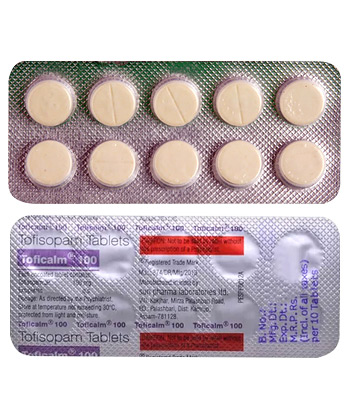
Toficalm
- In some pharmacies (including ours) toficalm can be purchased without a prescription and may be delivered within several days in the United Kingdom; however, in many regulated markets tofisopam is prescription-only, so check local regulations and consult a clinician before use.
- Toficalm (tofisopam) is used for anxiety, as an adjunct in certain depressive states and sometimes as an adjunct in alcohol withdrawal; it is a 2,3-benzodiazepine derivative with anxiolytic effects distinct from classical 1,4-benzodiazepines — its precise mechanism is not fully clarified but it produces anxiolysis with less sedation than conventional benzodiazepines.
- The usual adult dose is 50–100 mg given 2–3 times daily, starting at the lowest effective dose and titrating as needed (lower starting doses advised for elderly or those with hepatic/renal impairment).
- Administration is oral tablets, commonly available as 50 mg and 100 mg tablets in blister packs.
- Onset of effect is typically within about 30–60 minutes, though individual response may vary.
- The duration of action is approximately 4–6 hours (varies with dose, individual metabolism and clinical context).
- Do not consume alcohol while taking toficalm; alcohol and other CNS depressants can increase drowsiness, respiratory depression and other risks and acute alcohol intoxication is a contraindication.
- The most common side effects are drowsiness, nausea or other digestive upset (dry mouth, dyspepsia), dizziness, headache and general fatigue or weakness.
- Would you like to try toficalm without a prescription?
Toficalm
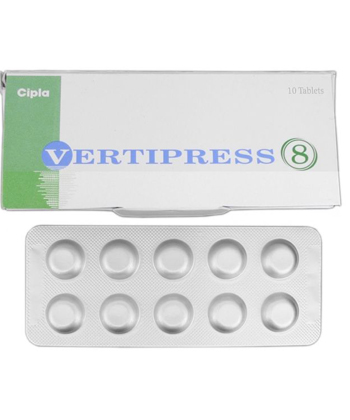
Basic Toficalm Information
- INN (International Nonproprietary Name): Tofisopam
- Brand Names Available In United Kingdom: Toficalm (India, Tablets: 50mg, 100mg; Torrent Pharmaceuticals, Apple Pharma; Box of 10x10 tablets), Tofisign (India, Tablets: 100mg; A M Overseas; 10x10 strips/box), Tofifresh (India, Tablets: 100mg; Manufacturer Not Specified; 1x10 strip/box), Tofiso (India, Tablets: 50mg; Apple Pharmaceuticals; 10x10 tablets/box), TOFIZIN (India, Tablets: 50mg, 100mg; Neuracle Lifesciences; Not Specified), Nextril (India, Tablets: 100mg; Torrent Pharmaceuticals; Not Specified), Tofypeace (India, Tablets: 50mg; Psychocare Health Pvt. Ltd.; Not Specified), Emandaxin (Europe, Tablets: 50mg, 100mg; Local/Various; Local Packaging), Grandaxin (Europe, Russia, Turkey, etc., Tablets: 50mg, 100mg; Egis, Others; Local Packaging)
- ATC Code: N05BA23
- Forms & Dosages: Tablet; Strengths: 50mg, 100mg; Common Packaging: Blisters/Boxes (10x10 tablets)
- Manufacturers In United Kingdom: not specified
- Registration Status In United Kingdom: not specified — clinicians should check MHRA for current authorisations and follow import governance where appropriate
- OTC / Rx Classification: Prescription Only (Rx) in all regulated markets
Major 2022–2025 Studies
Which recent trials matter most when people ask if toficalm works for daytime anxiety?
Recent clinical work between 2022 and 2025 is dominated by small randomised trials and open‑label studies from Europe and India.
Most trials set out to compare tofisopam with placebo or with classic 1,4‑benzodiazepines in short‑term anxiety treatment.
Typical study dosing mirrored marketed schedules: 50–100 mg given two to three times daily.
Sample sizes were generally modest, with limited multicentre Phase III data available.
Adjunctive trials in depression often tested tofisopam alongside standard antidepressants rather than as monotherapy.
Patient‑reported outcomes and clinician scales were common primary endpoints in these studies.
Main Outcomes
What did the trials actually find about symptom relief?
Across the studies, primary signals show meaningful reductions in anxiety scores compared with baseline or placebo arms.
Effect sizes reported in many trials were often comparable to older benzodiazepines on standard anxiety scales.
Secondary endpoints in adjunctive depression studies signalled modest additional benefit when tofisopam was added to antidepressants.
Sample sizes in adjunctive studies were small, so results are suggestive rather than definitive.
Faster onset of anxiolysis than buspirone was described in several reports, matching clinicians’ interest in symptomatic relief.
Safety Observations
Is tolérance better or worse than diazepam?
Adverse event profiles repeatedly list drowsiness, dizziness, gastrointestinal upset and headache as common events.
Compared with diazepam and lorazepam cohorts in head‑to‑head studies, there was a lower reported incidence of ataxia and cognitive slowing.
No large Phase III programme has yet established long‑term dependence risk with high certainty.
Post‑marketing surveillance from Europe and India reports few severe safety signals but advises monitoring in people with substance‑use history.
Overall evidence quality is promising but limited, and larger multicentre randomised controlled trials are needed for high‑certainty guidance.
Layman’s Explanation
What will this tablet do for someone worried in daily life?
Tofisopam calms excessive worry without producing the heavy sedation or muscle relaxation typically linked with classic benzodiazepines.
That means daytime clarity and motor coordination are often preserved while anxiety symptoms fall.
Patients who need symptom control but must remain alert for work or childcare commonly prefer this profile.
Scientific Breakdown
How does tofisopam sit chemically and pharmacologically?
Chemically, tofisopam is a 2,3‑benzodiazepine derivative distinct from the classical 1,4‑benzodiazepines such as diazepam and alprazolam.
Its anxiolytic action appears atypical for the benzodiazepine family and involves several neurotransmitter systems.
Preclinical and early clinical pharmacology point to modulation of GABAergic activity with different subtype selectivity and additional downstream effects.
Receptor Interactions
Which receptor systems are involved?
Evidence suggests weaker positive allosteric modulation of sedation‑linked GABA‑A receptor subtypes than seen with diazepam or alprazolam.
Tofisopam also interacts with cortical circuits implicated in anxiety rather than producing broad CNS depression.
Preclinical data indicate additional modulation of phosphodiesterases and potential effects on dopaminergic and serotonergic tone.
Pharmacodynamic Distinctions
Why do people remain clearer on tofisopam compared with classic benzodiazepines?
Clinically observed anxiolysis with less motor and cognitive impairment matches a differentiated receptor and isoform selectivity profile.
Downstream signalling differences likely explain the reduced sedation and lower ataxia rates reported in trials.
Uncertainties remain about precise molecular targets, and mechanistic research is ongoing.
United Kingdom Approvals
Can a clinician in the UK reach for toficalm the same way as diazepam?
There is no widely available UK‑licensed tofisopam brand routinely listed on NHS formularies.
In Europe and India it is approved and prescription‑only under brands such as Grandaxin and Toficalm.
In the US and Canada tofisopam is not approved and remains investigational only.
For UK practice, access is typically via private prescription, specialist import or participation in research where local governance allows.
Notable Off‑Label Trends
People often ask if tofisopam is used for anything beyond simple anxiety.
Common off‑label uses reported in the literature and practice include adjunctive therapy for depression and management of alcohol‑withdrawal symptoms.
Dosing for off‑label uses generally mirrors anxiety regimens of 50–100 mg two to three times daily.
Any off‑label use should follow a clear documented risk‑benefit rationale and monitoring plan.
General Dosing
How should a starting dose be chosen?
Standard adult dosing used in trials and product literature is 50–100 mg administered two to three times daily.
Tablets are commonly available in 50 mg and 100 mg strengths in blister packs, often 10x10 tablets per box.
Start at the lowest effective dose and titrate according to response and tolerability, especially in older adults or those with hepatic or renal impairment.
Condition‑Specific Dosing
What are practical dose ranges for common indications?
Anxiety disorders: 50–100 mg, two to three times daily; aim for the lowest effective dose that controls symptoms.
Adjunct in depression: 50–100 mg, two to three times daily added to standard antidepressant therapy with clinical monitoring.
Alcohol‑withdrawal adjunct (off‑label): 50–100 mg, two to three times daily used alongside standard supportive care when benzodiazepine alternatives are sought.
Children: safety and efficacy are not established; use is not generally recommended.
Elderly: begin at the lower end of the dosing range and increase slowly with close monitoring.
Contraindications
Who should never take tofisopam?
Absolute contraindications include known hypersensitivity to tofisopam or any component of the formulation.
Severe respiratory insufficiency, sleep apnoea syndrome and severe hepatic impairment are absolute contraindications.
Acute intoxication with alcohol or other CNS depressants is an absolute contraindication.
Adverse Effects
What side effects should patients expect and how serious can they be?
Common mild to moderate adverse effects include drowsiness, nausea, dry mouth, dyspepsia, dizziness, headache and fatigue.
Serious overdose can cause severe drowsiness, confusion and respiratory depression necessitating emergency care.
Lower sedation does not equate to zero dependence; treatment duration should typically be short term (two to six weeks) with regular reassessment.
Baseline liver function assessment is advisable where hepatic impairment is suspected.
Food Interactions
Does eating change how tofisopam works?
No major food‑drug interactions are well documented in product literature for tofisopam.
Patients must avoid alcohol while taking tofisopam because alcohol potentiates CNS depression and is contraindicated in acute intoxication.
Drug Combinations To Avoid
Which medicines should be avoided with tofisopam?
Concomitant use with strong CNS depressants such as opioids, barbiturates, sedating antihistamines and other benzodiazepines increases sedation and respiratory depression risk and should be avoided where possible.
Alcohol and illicit sedatives are contraindicated during treatment.
Antidepressants and serotonergic agents are sometimes used together with tofisopam as adjunctive therapy, but patients should be monitored for additive side effects.
Specific CYP interactions are not well characterised; exercise caution with drugs with a narrow therapeutic index metabolised by the liver.
Survey Data
How do patients describe taking tofisopam?
Large‑scale surveys specific to tofisopam are limited, but smaller post‑marketing questionnaires and trial patient‑reported outcomes show many people value reduced daytime sedation.
Patients commonly report preserved cognitive function compared with classic benzodiazepines.
Transient drowsiness, nausea and dizziness are frequent but often resolve with time or dose adjustment.
Forum Trends
What do online communities say?
Search behaviour on e‑pharmacies commonly references "Toficalm 100 mg", "Tofisopam side effects" and "Toficalm price", reflecting interest in access and tolerability.
Forum narratives often highlight rapid anxiety relief without heavy sedation, mixed effects on sleep and concerns about dependence with long courses.
UK users who source the medicine via private prescriptions or importation echo European experiences but frequently note access and monitoring concerns.
Manufacturers & Packaging
Who makes tofisopam and how is it packed?
Major manufacturers include several Indian suppliers such as Torrent Pharmaceuticals, Apple Pharmaceuticals, A M Overseas, Neuracle Lifesciences and Psychocare Health Pvt. Ltd.
European manufacturers and suppliers include Egis and various local generics that market Grandaxin and Emandaxin.
Tablets are commonly available in 50 mg and 100 mg strengths, typically packaged in blister packs of 10x10 tablets.
Market Access & Pricing Trends
How easy is it to get the medicine and what does it cost?
Tofisopam is widely available and inexpensive in India where multiple generics compete, while European brands and imports to the UK typically command higher private‑market prices.
In the UK access is mainly via private clinics, specialist import or research arrangements rather than NHS formularies.
For patients seeking private purchase, our online pharmacy, toficalm is available without a prescription, with discreet delivery to United Kingdom in 5-14 days.
Supply‑chain considerations include maintaining climate‑controlled transport and storage to preserve potency and product traceability.
Comparison Table
How does tofisopam stack up against familiar alternatives?
Diazepam (Valium) offers strong anxiolysis with muscle relaxation and sedation but has a higher dependence potential than tofisopam.
Alprazolam (Xanax) is rapid‑acting but carries a higher dependence and sedation risk than tofisopam.
Buspirone is non‑sedating with low dependence risk but has a slow onset; tofisopam tends to provide faster symptomatic relief.
Etizolam is potent and sedating in regions where it is used; tofisopam is typically preferred when daytime functioning should be preserved.
Pros And Cons
What are the clinical trade‑offs?
Pros: Rapid anxiolysis, reduced sedation and motor effects, multiple manufacturers and tablet strengths.
Cons: Limited large‑scale RCT evidence, potential dependence with prolonged use, variable availability in the UK and contraindications in severe hepatic or respiratory disease.
Global Approvals
Where is tofisopam licensed?
Tofisopam is approved and marketed in India and in several European countries under brands such as Toficalm and Grandaxin.
It remains unapproved by FDA and Health Canada and is investigational in those jurisdictions.
Across regulated markets it is prescription‑only.
UK Specifics & Guidance
What should UK prescribers remember before using an imported product?
There is limited evidence of a UK‑licensed tofisopam product; clinicians should check the MHRA database for current authorisations and follow local governance for unlicensed medicines.
When prescribing outside an approved product, document rationale, obtain informed consent and set monitoring and pharmacovigilance plans.
Report suspected adverse reactions via the Yellow Card scheme.
Key Patient And Clinician Questions
What are the questions patients ask first?
Q: What is tofisopam used for?
A: Anxiolytic for acute anxiety and as adjunctive therapy in depression; also used off‑label for alcohol‑withdrawal management at 50–100 mg two to three times daily.
Q: How does it differ from diazepam?
A: Tofisopam is a 2,3‑benzodiazepine derivative with less sedation and motor impairment than classical 1,4‑benzodiazepines such as diazepam.
Q: Is it available in the UK?
A: It is not commonly UK‑licensed and is typically accessed via private prescription or import; clinicians should confirm MHRA status.
Q: Can I drive while taking it?
A: Patients should be cautioned about drowsiness and advised not to drive until they know how the medicine affects them.
Q: Pregnancy and breastfeeding?
A: Safety is not well established; avoid unless the clinical benefit clearly outweighs potential risk and consult specialists.
Q: How long can it be used?
A: Short‑term use of two to six weeks is typical, with regular reassessment to reduce dependence risk.
Suggested Infographics
Which visuals will help patients and clinicians understand the drug quickly?
Mechanism infographic comparing 2,3‑ versus 1,4‑benzodiazepine action with annotations on sedation‑linked GABA‑A subtypes.
Dosing flowchart showing starting dose 50 mg, typical range up to 100 mg two to three times daily and checkpoints for elderly or hepatic impairment.
Safety icons listing absolute contraindications such as sleep apnoea and severe hepatic impairment, plus common side effects.
Market map illustrating availability in India and Europe and absence in US/Canada with brand names such as Toficalm and Grandaxin.
Alt text should describe each visual plainly for accessibility and SEO.
Storage Conditions
How should pharmacies and patients keep the product?
Store below 25°C and protect from moisture.
Keep tablets in their original blister until the time of use.
Avoid prolonged exposure to heat and humidity while dispensing and during storage at home.
Transport And Supply‑Chain Notes
Any special instructions for importers and distributors?
Maintain climate‑controlled conditions during distribution and import to prevent degradation, although strict cold‑chain is generally unnecessary.
Use sealed blister packs and source from reputable manufacturers such as Torrent, Egis or Apple to ensure traceability.
Check batch numbers and expiry dates at receipt and before dispensing.
Prescribing Checklist
What should appear in a UK prescriber’s notes before issuing an unlicensed supply?
Confirm clinical indication and document rationale for using tofisopam.
Verify MHRA status or follow local import governance if prescribing an unlicensed product.
Start at the lowest effective dose (typically 50 mg) and plan titration and a stop or taper date within two to six weeks.
Screen for contraindications such as severe hepatic impairment, sleep apnoea and acute alcohol intoxication.
Review concomitant medications for CNS depressant interactions and arrange monitoring such as LFTs where hepatic risk exists.
Patient Counselling Points
Which key messages should patients receive at supply?
Explain expected benefits and common side effects such as drowsiness, nausea and dizziness.
Advise strictly no alcohol during treatment and to avoid driving until individual effects are known.
Instruct storage in the original blister below 25°C and to keep out of sight and reach of children.
Arrange follow‑up within one to two weeks to review efficacy and side effects and document a stop date or taper plan.
Delivery Across United Kingdom
| City | Region | Delivery Time |
|---|---|---|
| London | Greater London | 5-7 days |
| Birmingham | West Midlands | 5-7 days |
| Manchester | Greater Manchester | 5-7 days |
| Glasgow | Scotland | 5-7 days |
| Leeds | West Yorkshire | 5-7 days |
| Edinburgh | Scotland | 5-7 days |
| Bristol | South West | 5-7 days |
| Newcastle | North East | 5-9 days |
| Sheffield | South Yorkshire | 5-9 days |
| Nottingham | East Midlands | 5-9 days |
| Cardiff | Wales | 5-9 days |
| Southampton | South East | 5-9 days |
| Plymouth | South West | 5-9 days |
| Belfast | Northern Ireland | 5-9 days |
Storage Instructions For Patients
What practical steps should a patient follow at home?
Keep the medicine in its original blister until the time of use and store below 25°C.
Protect from moisture and do not transfer tablets to loose containers that may expose them to humidity.
Keep out of sight and reach of children and obey the disposal instructions on returning unused medication.
Guidance For Proper Use
How should clinicians and pharmacists make sure treatment is safe and effective?
Confirm indication, check licensing or import governance, start at the lowest effective dose and document rationale and monitoring in the clinical record.
Screen for contraindications and substance‑use history before initiation and plan a follow‑up appointment within one to two weeks.
Advise on interactions, driving and alcohol avoidance, and set a clear end‑date or taper plan to reduce dependence risk.
Final Practical Notes
Which quick reminders help at the pharmacy counter?
Check brand, strength and packaging (50 mg or 100 mg, commonly in 10x10 blister packs) before supply.
Confirm patient counselling has been provided on storage, alcohol avoidance and driving.
Report any suspected adverse reactions through national pharmacovigilance systems such as the Yellow Card scheme in the UK.
When in doubt about MHRA status or importing, follow local governance for unlicensed medicines and document informed consent.