Varenicline
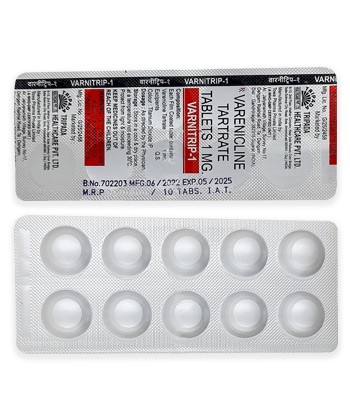
Varenicline
- Varenicline is prescription-only in most countries (approved by EMA, FDA and other national agencies), but in some pharmacies or online vendors it may be possible to purchase without a prescription; availability and legality vary by country so check local regulations.
- Varenicline is used for smoking cessation in adults; it is a partial agonist at α4β2 nicotinic acetylcholine receptors, reducing cravings and withdrawal symptoms while blunting the rewarding effects of nicotine.
- The usual dosage starts with 0.5 mg once daily for days 1–3, 0.5 mg twice daily for days 4–7, then 1 mg twice daily from day 8; standard treatment duration is 12 weeks, with an optional extension to 24 weeks in selected patients.
- Administered orally as film‑coated tablets (0.5 mg and 1 mg), taken with water; common packaging includes blister packs (e.g. starter packs with titration regimen).
- Some reduction in cravings may be seen within days, with clinically meaningful effects typically evident by about one week after starting and after reaching the 1 mg twice‑daily dose.
- The plasma half‑life is approximately 24 hours, so twice‑daily dosing provides sustained activity; the prescribed course is usually 12 weeks for treatment effect durability.
- Avoid excessive alcohol and use caution with alcohol consumption, as alcohol may increase the risk of neuropsychiatric adverse effects and impair judgement; monitor mood and behaviour when drinking.
- The most common side effect is nausea (other frequent effects include insomnia, abnormal dreams, headache and gastrointestinal symptoms).
- Would you like to try varenicline without a prescription?
Varenicline
Key Findings From Recent Trials
Basic Varenicline Information
- INN (International Nonproprietary Name): Varenicline (varenicline tartrate).
- Brand Names Available In United Kingdom: Champix is the licensed brand in the EU/UK market; generic varenicline products are also marketed by several manufacturers.
- ATC Code: N07BA03 — Drugs Used In Nicotine Dependence (varenicline).
- Forms & Dosages: Film‑coated tablets 0.5 mg and 1 mg, commonly supplied in blisters and starter packs.
- Manufacturers In United Kingdom: Pfizer is the original supplier (Champix); various generics manufacturers supply authorised alternatives — check local pharmacy registers for current suppliers.
- Registration Status In United Kingdom: Authorised as a prescription medicine for smoking cessation; local prescribers and pharmacies should consult MHRA listings for product licence details.
- OTC / Rx Classification: Prescription Only (Rx) across most markets.
Worried which stop‑smoking medicine actually gives the best chance of quitting for good?
Since 2018, and reinforced by influential trials and meta‑analyses up to mid‑2024, varenicline remains the most consistently effective single‑agent pharmacotherapy for long‑term abstinence compared with placebo, single‑form nicotine replacement therapy and bupropion.
Network meta‑analyses and pooled randomised controlled trial data show higher continuous abstinence rates at six to twelve months for varenicline at 1 mg twice daily following standard titration.
Relative risk estimates in pooled analyses tend to favour varenicline over bupropion and single‑product NRT for sustained quit rates.
Safety analyses through 2023–24 emphasise common, dose‑related nausea and sleep disturbances as the most frequent tolerability issues.
Later randomised trials and large pharmacoepidemiology studies did not reproduce a large excess of neuropsychiatric events in general populations, addressing earlier regulatory concerns.
Cardiovascular safety signals have been evaluated in cohort studies and meta‑analyses that, when adjusted for baseline risk, show no consistent excess of major adverse cardiac events.
In UK practice, MHRA summaries and NHS guidance align with current labelling: prescribe Champix or an authorised generic together with structured behavioural support.
Patients often ask whether evidence supports varenicline as first‑line therapy; the trial data and UK guidance support that position for many motivated quitters.
Clinical Mechanism Of Action
How does varenicline actually reduce cravings and make a cigarette less rewarding?
Layman’s Explanation
Varenicline reduces cravings and withdrawal by partially activating nicotine receptors while blocking nicotine’s rewarding effect.
That means smokers feel less urge to reach for a cigarette and any smoked nicotine is less satisfying.
Scientific Breakdown
Varenicline is a selective partial agonist at the α4β2 nicotinic acetylcholine receptor subtype.
Partial agonism provides submaximal receptor stimulation which helps relieve withdrawal symptoms.
Competitive antagonism occurs when nicotine is smoked, limiting dopamine release in reward pathways and reducing reinforcement of smoking behaviour.
Tablets are film‑coated in 0.5 mg and 1 mg strengths and reach steady state within days when titrated per the standard schedule.
Receptor Pharmacology
- Partial Agonism: mitigates withdrawal symptoms by providing modest receptor activation.
- Antagonism During Smoking: reduces the rewarding dopaminergic response if nicotine is used.
Dosing Relevance To Mechanism
Titration across the first week reduces nausea and allows receptor occupancy to increase gradually for tolerability and efficacy.
In UK clinics, Champix and authorised generics supply the marketed formulations; standard titration is recommended for optimal receptor engagement.
Clinicians discuss the mechanism briefly when counselling patients so they understand why a cigarette may no longer "hit" the same way while taking varenicline.
Scope Of Approved & Off‑Label Use
Can anyone take varenicline, and are there uses beyond quitting completely?
United Kingdom Approvals
Champix (varenicline) is authorised in the UK and EU as a prescription medicine for smoking cessation in adults.
Product information endorses starting at 0.5 mg and titrating to 1 mg twice daily with a standard 12‑week course.
Extension of treatment to 24 weeks is permitted in patients who are abstinent at 12 weeks to reduce relapse risk.
The legal status is Prescription Only and prescribers follow MHRA and NHS guidance when offering treatment.
Notable Off‑Label Trends
Some clinicians use extended courses beyond 12 weeks on a case‑by‑case basis for relapse prevention in abstinent patients.
There is limited investigational use in dual‑use scenarios such as vaping plus cigarette smoking or in tobacco reduction strategies pending formal trials.
Varenicline is not indicated for children and should be adjusted for renal impairment — CrCl below 30 ml/min limits dosing to a maximum of 0.5 mg daily.
UK prescribers are advised to document a risk–benefit discussion for patients with psychiatric history or cardiovascular disease and to combine pharmacotherapy with behavioural support.
Dosage Strategy
What is the simplest, safest way to start varenicline to reduce side effects and improve adherence?
General Dosing
Begin day 1 with 0.5 mg once daily for days 1–3.
Increase to 0.5 mg twice daily for days 4–7.
From day 8 onward, continue 1 mg twice daily as the maintenance dose.
The usual treatment length is 12 weeks, with the option to extend to 24 weeks for patients who are abstinent at week 12 and need relapse prevention.
Condition‑Specific Dosing
For most adults the standard titration above is appropriate and aligns with product information and NHS practice.
Renal Impairment Adjustments
- Moderate Impairment: reduce to a maximum of 1 mg per day — commonly 0.5 mg twice daily or 1 mg once daily depending on clinical judgement.
- Severe Impairment (CrCl <30 ml/min): maximum 0.5 mg per day.
Special Populations
Elderly patients do not require routine dose reduction unless renal impairment is present; monitor tolerability closely.
Pregnancy and breastfeeding are generally contraindicated due to insufficient data, so avoid unless clearly justified after specialist advice.
If a dose is missed, take it when remembered unless it is near the time of the next dose; do not double up.
Starter packs commonly used in the UK mirror the titration schedule and generics follow the same regimen.
Always link the medication plan to behavioural support such as NHS stop‑smoking services for best outcomes.
Safety Protocols
What baseline checks and warnings should a prescriber or pharmacist discuss before issuing varenicline?
Contraindications
Absolute contraindications include known hypersensitivity to varenicline or any excipient and a history of severe cutaneous adverse reactions such as Stevens‑Johnson syndrome.
Varenicline is not indicated in children and should not be prescribed for paediatric use.
Relative contraindications requiring careful monitoring include current or past serious psychiatric illness, significant cardiovascular disease and pregnancy or breastfeeding.
Adverse Effects
The most common adverse effect is nausea, which is often dose‑related and usually mild to moderate.
Other frequent effects are abnormal dreams, insomnia, headache and gastrointestinal symptoms such as constipation or vomiting.
Rare but serious events include marked behavioural changes or suicidal ideation; discontinue the medicine and seek urgent assessment if these occur.
Overdose management is supportive and common symptoms include nausea, vomiting and headache; there is no specific antidote.
UK prescribers should follow MHRA and product safety summaries, document baseline psychiatric and cardiac history, and advise patients about sleep and mood changes.
Encourage reporting of adverse events via the Yellow Card scheme to support ongoing safety monitoring.
Interaction Mapping
Will varenicline interact with my other medicines or with food?
Food Interactions
There are no clinically significant food interactions and tablets may be taken with or without food.
Taking varenicline with a meal may reduce nausea for some patients but is not required for absorption.
Drug Combinations To Avoid
Major interaction concerns are pharmacodynamic rather than metabolic because varenicline is predominantly excreted unchanged in the urine.
Combining varenicline with nicotine replacement therapy is sometimes used in practice but evidence for added benefit is mixed; specialist advice is recommended before combining.
When co‑prescribing antidepressants, antipsychotics or mood stabilisers, monitor for additive neuropsychiatric effects — this is not an absolute contraindication but warrants close follow‑up.
CYP enzyme interactions are minimal since varenicline is not substantially metabolised by hepatic CYP pathways.
Renal excretion means caution is required with other renally cleared drugs in patients with severe renal impairment.
Always check patient medication lists against the BNF or MHRA guidance in UK practice for case‑specific advice.
Patient Experience Analysis
What do patients commonly report about taking varenicline in the real world?
Survey Data
UK and international surveys report that many users find varenicline more effective at suppressing cravings than prior attempts with nicotine patches or bupropion.
Adherence challenges most often arise from early nausea and sleep disturbances, and gradual titration reduces discontinuation rates.
Real‑world pharmacy data show higher adherence and quit success when varenicline is paired with structured behavioural support from NHS stop‑smoking services.
Forum Trends
Patient forums highlight positive testimonials about stronger craving control and fewer lapses compared with previous methods.
Common complaints discussed online centre on vivid dreams and insomnia, which most people report as transient.
Some negative narratives focus on isolated neuropsychiatric anecdotes; clinicians should explain the difference between individual reports and outcomes from large randomised trials.
Discussions about price and availability frequently mention branded Champix versus generic varenicline, and many patients ask pharmacists for cost‑effective options.
Pharmacists can help contextualise risks and encourage Yellow Card reporting for suspected adverse reactions.
Distribution & Pricing Landscape
How easy is it to get Champix or generic varenicline in UK pharmacies and what affects cost?
In the United Kingdom varenicline is available as Champix and in authorised generic forms with packaging that mirrors EU formats.
Legal status is Prescription Only, and NHS prescribing varies by local formularies which may recommend varenicline as first‑line for motivated quitters where cost‑effective.
Following patent expiry, generic competition has narrowed prices; branded Champix may still command a premium in some supply chains.
Pharmacy procurement follows MHRA and EDQM requirements, and pharmacists should verify authorised suppliers via national databases.
Online pharmacies in the UK must be regulated and compliant; avoid unverified import sources to protect patients from counterfeit or unlicensed products.
Storage and transport instructions in the product information include keeping products below 25°C and protecting them from moisture during distribution.
In our online pharmacy varenicline is available without a prescription, with discreet delivery to the United Kingdom in 5–14 days.
Alternative Options
What are the practical alternatives if varenicline is unsuitable or unavailable?
Comparison Table
Varenicline generally provides the highest single‑agent abstinence rates among approved pharmacotherapies, but other options remain valid depending on patient factors.
Bupropion offers an alternative mechanism as a noradrenaline/dopamine reuptake inhibitor and may suit patients with depressive comorbidity.
Nicotine replacement therapies such as patches, gum and lozenges are widely available OTC and allow flexible dosing, particularly for those who prefer non‑prescription options.
Cytisine is a partial agonist similar in action to varenicline and can be a lower‑cost option where available, but availability in the UK is limited compared with Eastern Europe.
Pros And Cons
- Varenicline: Pros — superior single‑agent efficacy, clear titration; Cons — nausea, sleep effects, renal dosing limits, prescription required.
- Bupropion: Pros — alternative mechanism and useful with depression; Cons — lower efficacy vs varenicline, seizure risk in predisposed patients.
- NRT: Pros — OTC availability and safety in many groups; Cons — lower long‑term abstinence rates when used as a single product.
- Cytisine: Pros — low cost and similar mechanism; Cons — variable availability and less large‑scale RCT evidence in Western populations.
Choice should be patient‑centred and consider comorbidities, pregnancy, renal function, prior quit attempts and access to NHS stop‑smoking services.
Regulatory Status
Is varenicline approved and where can prescribers find official labelling and safety information?
Varenicline tartrate is authorised across EMA jurisdictions and remains a prescription‑only medicine within the UK regulatory framework.
The FDA approved the drug in 2006 for the US market and many national authorities worldwide list varenicline as an approved prescription medicine.
Product labelling across EU and UK versions reflects the standard dosing regimen, renal adjustments and safety monitoring recommendations.
MHRA and EMA maintain publicly accessible summaries of product characteristics and risk‑management plans for prescribers and pharmacists.
Generics have been authorised following patent expiry; procurement lists are available via national databases and regulatory portals.
Pharmacy dispensing must follow prescription regulations and storage requirements such as keeping below 25°C and protecting from moisture.
Consolidated FAQ
People commonly ask a small set of practical questions when considering varenicline.
Q: Is varenicline available on the NHS?
A: Yes, availability is subject to local formulary decisions; contact your GP or NHS stop‑smoking service for local arrangements.
Q: How long should I take it?
A: The standard course is 12 weeks and a further 12‑week extension may be offered for relapse prevention in abstinent patients.
Q: Can I use NRT with varenicline?
A: Some clinicians combine treatments but the evidence is mixed; discuss with a specialist if considering combination therapy.
Q: What if I have a psychiatric history?
A: A psychiatric history is not an absolute contraindication but requires careful monitoring and shared decision‑making between clinician and patient.
Q: What are the main side effects?
A: Nausea, abnormal dreams and insomnia are common; stop and seek urgent help if severe mood changes or suicidal thoughts occur.
Q: How should I store it?
A: Keep below 25°C in the original packaging and protect from moisture.
Q: Can I take it during pregnancy?
A: Avoid it in pregnancy or breastfeeding unless a specialist advises otherwise due to limited safety data.
UK prescribers should reference the Champix product information and MHRA guidance for full details.
Visual Guide
What educational visuals help patients understand how to use varenicline safely and effectively?
Infographics are effective for a titration timeline showing days 1–7 and the 12‑week schedule, with clear renal adjustment notes.
Mechanism diagrams that show α4β2 partial agonist action versus nicotine help explain why cravings fall and smoking is less rewarding.
A side‑effect timeline indicating early nausea and sleep changes, with advice to monitor mood across 12 weeks, supports realistic expectations.
Decision flowcharts for suitability can guide clinicians and patients through age, pregnancy, psychiatric history and renal function checkpoints.
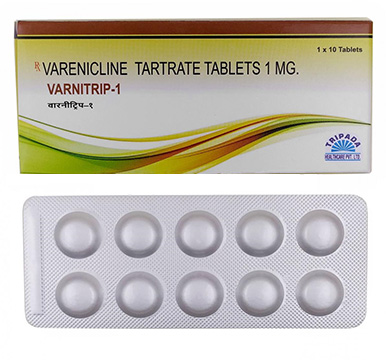
Packaging photos of Champix and generic blister layouts (0.5 mg and 1 mg) are useful for patient identification and should include alt text mentioning Champix starter pack.
All visuals should cite MHRA, EMA or NHS stop‑smoking resources and include a Yellow Card reporting link for adverse events.
Storage & Transport
How should varenicline be stored at the pharmacy and at home to preserve stability?
Store varenicline in the original packaging below 25°C and protect from moisture, as stated in the product information.
Keep blister packs intact until use and avoid transferring multiple tablets to a pill box for prolonged storage.
Transport under ambient conditions is acceptable in normal supply chains, but avoid exposure to high heat during distribution.
Pharmacies should follow Good Distribution Practice and check batch records against regulatory portals for any recalls.
Advise patients to keep the medicine away from children and to avoid storing it in humid rooms such as bathrooms.
Guidelines For Proper Use
What practical steps ensure varenicline is used safely and effectively in UK practice?
Confirm the patient’s goal to stop smoking and arrange behavioural support through NHS stop‑smoking services alongside medication.
Screen for psychiatric history and cardiovascular risk and check renal function with a calculated creatinine clearance before finalising dose.
Adjust dose for severe renal impairment (CrCl <30 ml/min) to a maximum of 0.5 mg per day.
Use the standard titration schedule to reduce early adverse effects and counsel patients on common side effects and when to seek help.
Document informed consent and consider extending treatment to 24 weeks for relapse prevention in patients who are abstinent at week 12.
Prescribe 0.5 mg and 1 mg film‑coated tablets according to the labelled schedule and check local NHS formularies for generic versus branded options.
Arrange follow‑up contacts at weeks 1–4 and at month 3 to reinforce adherence and address side effects early.
Delivery Across United Kingdom
| City | Region | Delivery Time |
|---|---|---|
| London | Greater London | 5–7 days |
| Birmingham | West Midlands | 5–7 days |
| Manchester | Greater Manchester | 5–7 days |
| Glasgow | Scotland | 5–7 days |
| Leeds | West Yorkshire | 5–7 days |
| Liverpool | Merseyside | 5–7 days |
| Bristol | South West England | 5–7 days |
| Sheffield | South Yorkshire | 5–9 days |
| Newcastle | North East England | 5–7 days |
| Nottingham | Nottinghamshire | 5–9 days |
| Southampton | South East England | 5–9 days |
| Brighton | East Sussex | 5–9 days |
| Plymouth | Devon | 5–9 days |
| Belfast | Northern Ireland | 5–9 days |
Final Notes For Clinicians And Patients
What are the practical takeaways for busy clinicians and motivated smokers in the UK?
Varenicline is the first nicotinic receptor partial agonist licensed for smoking cessation and offers strong evidence for improved long‑term abstinence when used with behavioural support.
Screen patients for psychiatric and cardiovascular history and check renal function before initiating therapy.
Advise patients about common early side effects such as nausea and vivid dreams and explain the titration schedule to improve tolerability.
Document shared decision‑making, consider extended treatment for relapse prevention where appropriate and report suspected adverse reactions via the Yellow Card scheme.
Where cost is a concern, discuss generic varenicline as an authorised alternative to branded Champix and consult local NHS formularies for preferred options.
For patients seeking support, direct them to NHS stop‑smoking services which improve outcomes when combined with medication.
When counselling, put anecdotal reports in context with the trial evidence and reassure patients that most adverse effects are transient and manageable.
Pharmacies should maintain GDP compliance, store products below 25°C and avoid supplying from unverified import sources to protect patient safety.