Vibramycin
Vibramycin
- Vibramycin is officially a prescription-only medicine in the UK, EU and US, but availability varies by country; in some regions and from certain pharmacies (including some online suppliers) it can be purchased without a prescription—check local regulations and seller policies before buying.
- Vibramycin (doxycycline) is used to treat a wide range of bacterial infections (acne, respiratory infections, urogenital infections, tick‑borne illnesses, malaria prophylaxis, anthrax exposure and skin/soft tissue infections). It is a tetracycline antibiotic that inhibits bacterial protein synthesis by binding the 30S ribosomal subunit, producing a bacteriostatic effect.
- Typical adult dosing: an initial 200 mg on day one (loading) then 100 mg daily for many infections; severe infections commonly 100 mg every 12 hours. Acne: 50–100 mg once daily (up to 12 weeks). Malaria prophylaxis: 100 mg daily starting 1–2 days before travel and for 4 weeks after return. Paediatric dosing (when indicated): 2.2 mg/kg every 12 hours up to 200 mg/day.
- Available oral forms include 100 mg and 50 mg tablets and 100 mg capsules (blisters or bottles); there are also 100 mg powder vials for intravenous use and occasional oral suspensions (e.g. 25 mg/5 ml).
- Vibramycin reaches therapeutic blood levels within 1–3 hours of oral dosing; clinical improvement is often seen within 48–72 hours for many infections.
- Duration of action: doxycycline has a long half‑life (around 18–22 hours), allowing once‑daily dosing in many cases and maintaining antibacterial activity for approximately 24 hours.
- Avoid excessive alcohol while taking vibramycin; alcohol can increase gastrointestinal side effects and may worsen photosensitivity—minimise alcohol intake and avoid prolonged sun exposure.
- The most common side effec include gastrointestinal upset (nausea, vomiting, diarrhoea), photosensitivity (increased risk of sunburn), headache and occasionally mild liver enzyme elevations or oesophageal irritation.
- Would you like to try vibramycin without a prescription?
Vibramycin
Key Findings From Recent Trials
- INN (International Nonproprietary Name): Doxycycline
-
Brand Names Available In United Kingdom:
Vibramycin is listed as an originator brand with global distribution, including the UK.
Multiple generic doxycycline products are supplied by manufacturers such as Hexal AG/Sandoz, Mayne Pharma and Mylan, and local distributors supply regionally branded generics.
- ATC Code: J01AA02 (Tetracyclines, systemic broad‑spectrum antibacterials)
-
Forms & Dosages:
Oral tablets and capsules 100 mg and 50 mg in blisters or bottles, powder for injection as 100 mg single‑use vials, and oral suspension formulations (eg. 25 mg/5 ml) where available.
-
Manufacturers In United Kingdom:
Pfizer is the originator manufacturer of Vibramycin globally; generics are available from Hexal AG/Sandoz, Mayne Pharma and other suppliers.
-
Registration Status In United Kingdom:
Doxycycline is prescription only in the UK and is regulated by the MHRA.
-
OTC / Rx Classification:
Prescription‑only (Rx Only) across jurisdictions including the UK, EU and US.
What do the latest clinical trials mean for patients and prescribers considering vibramycin?
Recent randomised controlled trials and meta‑analyses from 2022–2024 emphasise doxycycline’s continued role in ambulatory respiratory infections and tick‑borne diseases.
Outpatient community‑acquired pneumonia studies repeatedly show doxycycline is non‑inferior to macrolides or beta‑lactams for mild to moderate disease where atypical pathogens are suspected.
Large observational cohorts reaffirm doxycycline’s effectiveness in early Lyme disease and rickettsial infections with consistent clinical cure rates.
Malaria prophylaxis trials continue to validate a daily 100 mg schedule for travellers as an effective preventive option.
Clinical Mechanism Of Action
How does vibramycin stop infections in plain terms?
Doxycycline stops bacteria growing by preventing them from making essential proteins required for replication and survival.
It is a broad‑spectrum antibiotic useful against many respiratory, skin and vector‑borne bacteria when the exact pathogen is not yet known.
What is happening at a molecular level?
Doxycycline belongs to the tetracycline class (ATC J01AA02) and binds the 30S ribosomal subunit, blocking tRNA attachment and inhibiting bacterial protein synthesis.
Key pharmacokinetic highlights include high oral bioavailability and good tissue penetration into lung and skin, plus a long half‑life that supports once‑ or twice‑daily dosing.
The bacteriostatic action tends to slow bacterial growth rather than kill immediately, which has implications for selection pressure and clinical use.
Resistance remains possible through efflux pumps and ribosomal protection genes in some pathogens and should guide stewardship decisions.
Scope Of Approved And Off‑Label Use
Which conditions is vibramycin approved for in the UK and beyond?
Approved indications include acne vulgaris, bacterial respiratory tract infections (pneumonia and bronchitis), urogenital infections such as chlamydia, periodontitis, tick‑borne diseases including Lyme disease, malaria prophylaxis and anthrax exposure.
NHS guidance and local formularies commonly list doxycycline for atypical pneumonia and outpatient treatment of Lyme disease.
What off‑label uses are commonly seen in practice?
Low‑dose doxycycline for chronic inflammatory dermatology and periodontal host‑modulation is increasingly reported, alongside prolonged courses for acne under specialist supervision.
Travel medicine clinics also use doxycycline regimens pragmatically for malaria prophylaxis where appropriate and advised by clinicians.
Dosage Strategy
What dosing patterns should patients expect when prescribed vibramycin?
Typical adult dosing for most infections is a 200 mg initial dose on day one followed by 100 mg daily maintenance, or 100 mg twice daily for severe infections.
Once‑ or twice‑daily regimens are standard due to doxycycline’s pharmacokinetic profile and oral formulations such as doxycycline tablets or doxycycline capsules facilitate this.
Condition‑specific guidance is as follows.
For most respiratory and uncomplicated infections: 200 mg on day one then 100 mg once daily, or 100 mg twice daily if clinically indicated.
For acne vulgaris: 50–100 mg once daily for up to 12 weeks as part of a supervised regimen.
For malaria prophylaxis: 100 mg daily starting 1–2 days before travel, continued daily during exposure and for 4 weeks after return.
Paediatric dosing for severe cases: 2.2 mg/kg every 12 hours up to a maximum of 200 mg/day and reserved for children over 8 years where benefits outweigh risks.
Dose adjustments are usually unnecessary in renal impairment and care should be taken in severe hepatic dysfunction with hepatic monitoring where needed.
Safety Protocols
Who should not take vibramycin, and what precautions matter most?
Absolute contraindications include known hypersensitivity to doxycycline or other tetracyclines, pregnancy, breastfeeding and children under 8 years except in life‑threatening situations.
Relative contraindications include severe hepatic impairment, myasthenia gravis and a history of photosensitivity reactions.
Common adverse effects are gastrointestinal, including nausea, vomiting, diarrhoea and abdominal pain, which are frequently the reason patients stop treatment early.
Dermatologic photosensitivity is well documented and patients must be warned about the risk of severe sunburn and advised on sun protection.
Less commonly observed effects include transient liver enzyme elevations and oesophageal irritation or ulceration; counsel patients to take tablets with a full glass of water and avoid lying down immediately after dosing.
Report serious reactions such as anaphylaxis or severe hepatitis to the MHRA Yellow Card scheme in the UK.
Interaction Mapping
What should patients avoid eating or taking with vibramycin to maintain effectiveness?
Calcium‑rich foods, dairy products and antacids containing aluminium, magnesium or calcium can chelate doxycycline and reduce its absorption; advise spacing by at least two hours where possible.
Taking doxycycline with food can reduce gastrointestinal upset but may modestly affect bioavailability; balance comfort and absorption when counselling patients.
Key drug combinations to avoid include concurrent use with polyvalent cation supplements such as iron or calcium, and caution is required with systemic retinoids because of an increased risk of intracranial hypertension.
Enzyme‑inducing antiepileptics may alter antibiotic levels indirectly, and combined use with oral contraceptives can potentially reduce contraceptive efficacy so add‑on contraception should be discussed.
When co‑prescribing warfarin, monitor anticoagulation closely because antibiotics including doxycycline may potentiate INR changes.
Patient Experience Analysis
What do patients say about taking vibramycin for common problems?
Survey data from primary care and travel clinics indicate high satisfaction for short‑course doxycycline in tick‑borne and respiratory infections due to oral convenience and rapid symptom improvement.
Adherence tends to be good for once‑daily regimens, and the availability of doxycycline tablets in standard pack sizes supports straightforward dosing.
Forum discussions commonly highlight photosensitivity incidents, oesophageal discomfort from tablets taken without water, and anxiety about tooth staining in children and during pregnancy.
Many travellers report a preference for daily doxycycline for malaria prophylaxis because it fits a daily routine compared with weekly alternatives, though cost and pack size influence the choice between branded vibramycin and generics.
Distribution And Pricing Landscape
How is vibramycin supplied and what affects price in the UK market?
Vibramycin (Pfizer) is the originator product and is widely known, but the UK market is dominated by generics such as Doxy 100, Doxyhexal and locally supplied brands which drive prices down on NHS formularies.
Packaging varies from PVC/Alu blisters to HDPE bottles for oral tablets and 100 mg single‑use vials for injectables, with pack sizes typically ranging from 10 to 100 tablets.
Pricing is influenced by pack size, whether the product is branded or generic, and the procurement route; private travel clinics and private prescriptions may charge a premium for branded stock.
Export markets in Eastern Europe, MENA and South Asia commonly feature locally produced generics with varied packaging and smaller strip sizes.
In our online pharmacy, vibramycin is available without a prescription, with discreet delivery to United Kingdom in 5-14 days.
Alternative Options
What are reasonable antibiotic alternatives when doxycycline is unsuitable?
Minocycline is a tetracycline alternative with a similar spectrum and is often chosen in acne care but carries higher risks of vestibular side effects and skin pigmentation.
Macrolides such as azithromycin or clarithromycin cover atypical respiratory pathogens and remain options where doxycycline is contraindicated, though rising macrolide resistance and drug interactions can limit their use.
Beta‑lactams like amoxicillin are preferred for typical streptococcal pneumonia and are effective for many community‑acquired bacterial infections, but they lack atypical coverage.
Pros of doxycycline include broad spectrum, good oral bioavailability, favourable tissue penetration and inclusion on WHO essential medicines lists.
Cons include contraindication in pregnancy and young children, photosensitivity and gastrointestinal intolerance, and the potential for resistance in certain organisms.
Regulatory Status
Is vibramycin controlled or available over the counter where I live?
Doxycycline products including Vibramycin are prescription‑only across major jurisdictions, and in the UK they are regulated by the MHRA.
EMA and FDA approvals exist for multiple indications, and national labels specify doses, contraindications and monitoring requirements.
Country‑specific registrations are widespread; for example, Romanian authorities list Vibramycin 100 mg film‑coated tablets in the public registry as an illustration of broad EU registration.
Clinicians and pharmacists should report suspected adverse reactions through national pharmacovigilance systems such as the MHRA Yellow Card service.
Consolidated FAQ
Can I take vibramycin during pregnancy?
No. Doxycycline is contraindicated in pregnancy because of the risk of fetal toxicity and permanent tooth discolouration.
What about children?
Doxycycline is generally avoided in children under 8 years and is reserved for severe or life‑threatening infections with paediatric dosing at 2.2 mg/kg every 12 hours, up to 200 mg/day, when clinically justified.
How can I reduce oesophageal irritation?
Take tablets with a full glass of water and remain upright for 30 minutes after dosing to reduce the risk of oesophageal ulceration.
Is dose adjustment needed in renal failure?
Usually not, because doxycycline is not primarily renally excreted; however, exercise caution and monitor hepatic function in patients with severe liver disease.
How should vibramycin be stored?
Store at room temperature between 15–30°C, protect from moisture and light, and do not use expired product.
Visual Guide
What images and diagrams help patients understand vibramycin use?
Suggested visual assets include a simple infographic showing 30S ribosome blockade to explain mechanism of action to patients in plain terms.
A dosing flowchart that maps a loading dose to maintenance dosing and durations by indication (respiratory infection, acne, malaria prophylaxis) aids clinic counselling.
Side‑effect icons for gastrointestinal upset, photosensitivity and hepatic monitoring clarify key safety messages at a glance.
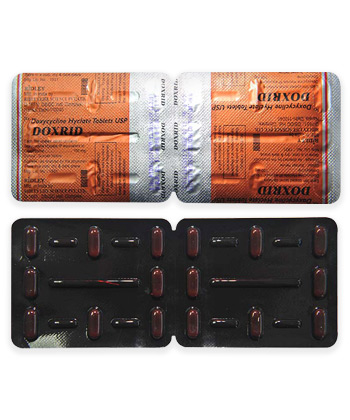
A packaging gallery showing 100 mg tablets in blister and bottle formats plus 100 mg injectable vials helps pharmacists and clinicians recognise common brands such as Vibramycin, Doxy 100 and Doxyhexal.
Use UK labelling conventions and MHRA patient safety colour schemes for leaflets and posters.
Storage And Transport
How should vibramycin be handled in pharmacy stock and when sent to patients?
Store oral products at room temperature between 15–30°C, and protect from moisture and light in the original packaging.
Do not use expired product as degradation may produce toxic compounds, and always keep medicines out of reach of children.
Transport tablets under ambient conditions with protection from humidity; injectables such as 100 mg vials require sterile chain‑of‑supply handling and appropriate cold‑chain procedures if specified by the manufacturer.
Manufacturers supply various packaging types including PVC/Alu blisters and HDPE bottles which affect stability and dispensing choices.
Guidelines For Proper Use
What should prescribers and pharmacists confirm before issuing vibramycin?
Use a prescribing checklist: confirm the indication aligns with NICE, BTS or NHS guidance, and document the clinical rationale if prescribing off‑label.
Review pregnancy status and patient age — avoid use in pregnancy and in children under 8 years unless life‑threatening.
Advise patients on photosensitivity precautions, GI mitigation techniques (take with water or food as appropriate) and chelation interactions with cations.
Provide clear duration guidance: for acute infections 7–10 days, acne up to 12 weeks, and malaria prophylaxis throughout exposure plus 4 weeks after return.
Report adverse events to the MHRA and ensure appropriate follow‑up and hepatic monitoring when risk factors exist.
Delivery Across United Kingdom
| City | Region | Delivery Time |
|---|---|---|
| London | Greater London | 5–7 days |
| Birmingham | West Midlands | 5–7 days |
| Manchester | Greater Manchester | 5–7 days |
| Glasgow | Scotland | 5–7 days |
| Leeds | West Yorkshire | 5–7 days |
| Sheffield | South Yorkshire | 5–7 days |
| Liverpool | Merseyside | 5–7 days |
| Bristol | South West England | 5–9 days |
| Edinburgh | Scotland | 5–9 days |
| Cardiff | Wales | 5–9 days |
| Belfast | Northern Ireland | 5–9 days |
| Newcastle | Tyne and Wear | 5–9 days |
| Nottingham | Nottinghamshire | 5–9 days |
| Brighton | East Sussex | 5–9 days |