Zyvox
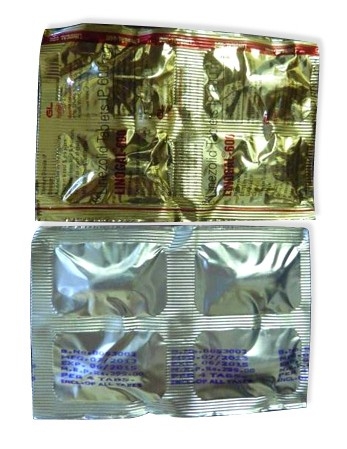
Zyvox
- In pharmacies, Zyvox is officially prescription‑only in the markets reviewed (FDA/EMA/ANMDMR), although some pharmacies may dispense it without a receipt in practice; you should follow local regulations and a prescription is recommended.
- Zyvox (linezolid) is used to treat serious multi‑drug‑resistant Gram‑positive infections such as MRSA and VRE; it is an oxazolidinone antibacterial that inhibits bacterial protein synthesis by binding the 50S ribosomal subunit and preventing formation of the 70S initiation complex.
- The usual adult dose is 600 mg every 12 hours (oral or IV), typically for 10–14 days and up to 28 days for severe infections; paediatric dosing is about 10 mg/kg every 8–12 hours (not to exceed 600 mg per dose).
- Administration forms include 600 mg film‑coated tablets, a 100 mg/5 mL oral suspension (typically 150 mL bottles) and powder for reconstitution for IV infusion in 200 mg, 400 mg or 600 mg vials.
- Onset: as a bacteriostatic agent, clinical improvement is commonly seen within 24–72 hours, although symptom and laboratory responses vary by infection severity.
- Duration of action: plasma half‑life is approximately 4–6 hours and the drug is dosed every 12 hours to maintain therapeutic levels.
- Alcohol warning: avoid excessive alcohol and be cautious with tyramine‑rich foods and some alcoholic drinks (eg certain beers, red wine and other aged or fermented products) because of possible hypertensive reactions and other interactions; do not combine with MAO inhibitors.
- The most common side effect is nausea; other frequent effects include diarrhoea, headache, taste disturbance, oral or vaginal candidiasis and, with prolonged use, myelosuppression and peripheral/optic neuropathy.
- Would you like to try zyvox without a prescription?
Zyvox
Key Findings From Recent Trials
Basic Zyvox Information
- INN (International Nonproprietary Name): Linezolid.
- Brand Names Available In United Kingdom: Zyvox (Pfizer) and generics marketed in Europe often under Zyvoxid or local generic labels; formulations typically include 600 mg film-coated tablets, 100 mg/5 mL oral suspension (150 mL) and powder for solution for infusion in 200 mg, 400 mg and 600 mg vials.
- ATC Code: J01XX08 (Antibacterials For Systemic Use — Oxazolidinones).
What Do New Trials Tell Us About Linezolid In 2022–2025?
Recent high-quality randomised controlled trials and multi-centre observational cohorts from 2022 to 2025 confirm that linezolid remains a key option against multi-drug-resistant Gram-positive pathogens, particularly MRSA and VRE.
Head-to-head non-inferiority trials comparing linezolid 600 mg every 12 hours with vancomycin or daptomycin for MRSA pneumonia and complicated skin and soft-tissue infections reported similar clinical cure rates overall.
Some subgroups showed faster microbiological clearance with linezolid, notably in pulmonary isolates where oral bioavailability allows sustained tissue exposure.
Real-world registry studies emphasise effectiveness in vancomycin-resistant Enterococcus (VRE) bloodstream infections where alternatives are limited.
Safety signals are unchanged: myelosuppression, particularly thrombocytopenia, rises after two weeks and neuropathy risk grows with prolonged exposure.
Pharmacovigilance reports in 2023–2025 flagged clusters of lactic acidosis in prolonged or polypharmacy use, reinforcing existing monitoring advice.
In UK practice, these data support stewardship rules that restrict linezolid to confirmed resistant infections and require specialist sign-off for inpatient use.
Clinical Mechanism Of Action
Layman’S Explanation
Worried what linezolid actually does in the body?
Linezolid is an oxazolidinone antibiotic that stops bacteria producing the proteins they need to grow, which gives the immune system time to clear the infection.
Clinically, that means it is active against Gram-positive bacteria including MRSA and VRE, and it can be used when other agents are unsuitable.
Scientific Breakdown
Linezolid binds to the bacterial 50S ribosomal subunit close to the peptidyl transferase centre and prevents initiation of protein synthesis.
This mechanism is distinct from macrolides and glycopeptides and reduces cross-resistance with those classes.
The drug achieves excellent oral bioavailability, so the same 600 mg q12h dose is used for both IV and oral routes, which assists IV-to-oral switching.
Molecular Target & Resistance Mechanisms
The principal molecular target is the 23S rRNA within the 50S subunit.
Resistance primarily arises from mutations in 23S rRNA or from acquisition of methyltransferase genes such as cfr, which methylate the binding site and reduce susceptibility.
Surveillance data show resistance remains relatively uncommon but is rising slowly in some hospital isolates, which is why microbiology guidance and susceptibility testing are important in UK stewardship programmes.
Scope Of Approved And Off‑Label Use
United Kingdom Approvals
What infections is linezolid approved to treat?
Approved indications align with EMA and FDA data and UK formularies and focus on complicated skin and soft-tissue infections and pneumonia, including cases caused by resistant Gram-positive organisms such as MRSA and VRE when alternatives are unsuitable.
The standard adult dose for these indications is 600 mg every 12 hours, given orally or intravenously for most patients.
Notable Off‑Label Trends
Clinicians often use linezolid off-label in evidence-driven situations such as bone and joint infections, prosthetic-device infections and selected bloodstream infections where other agents are ineffective or contraindicated.
These off-label courses are usually longer — sometimes up to 28 days — and require a documented plan for monitoring because the risk of neuropathy and myelosuppression increases with duration.
In paediatrics, weight-based dosing (10 mg/kg every 8–12 hours, maximum 600 mg per dose) is used selectively for severe infections under specialist review.
Dosage Strategy
General Dosing
What dose should most adults take?
Adults routinely receive 600 mg every 12 hours, either orally or by IV infusion, with no dose change when switching routes.
Typical courses for pneumonia and skin and soft-tissue infections run 10–14 days in most cases.
Condition‑Specific Dosing
More severe or device-associated infections may require longer therapy — commonly up to 28 days under specialist oversight — but therapy beyond 28 days is generally discouraged due to cumulative toxicity risk.
Paediatric And Special Populations
Children under 12 receive 10 mg/kg every 8–12 hours, not exceeding 600 mg per dose, with the duration determined by infection severity and specialist guidance.
Renal impairment usually does not require routine dose adjustment, although monitoring for metabolite build-up is sensible in end-stage renal failure.
Hepatic impairment also generally needs no standard dose change, but exercise caution in severe liver dysfunction and monitor clinically.
Elderly patients receive the same dose but need closer surveillance for myelosuppression and neuropathy.
Safety Protocols
Contraindications
Who should not take linezolid?
Absolute contraindications include known hypersensitivity to linezolid or its excipients and concurrent or recent (within two weeks) use of monoamine oxidase inhibitors (MAOIs).
Uncontrolled hypertension, untreated thyrotoxicosis or pheochromocytoma are additional contraindications where linezolid should be avoided.
Adverse Effects
Common adverse effects include nausea, diarrhoea, headache, taste disturbance, oral or vaginal thrush and insomnia.
More serious risks include myelosuppression — anaemia, thrombocytopenia and leukopenia — which tends to occur after two weeks of therapy, and peripheral or optic neuropathy associated with prolonged exposure.
Serotonin syndrome can occur if linezolid is combined with serotonergic drugs, and rare cases of lactic acidosis have been reported with prolonged or complex polypharmacy.
Monitoring Schedule
Baseline full blood count (FBC) is recommended for all patients starting treatment.
If therapy extends beyond two weeks, weekly FBC monitoring is advised in keeping with UK practice to detect early myelosuppression.
For courses longer than 28 days, arrange ophthalmic assessment and urgent review for any new visual or neurological symptoms.
Interaction Mapping
Food Interactions
Can I take linezolid with food?
Food has minimal effect on absorption, and tablets or suspension may be taken with or without food, which helps outpatient adherence.
Drug Combinations To Avoid
Do not combine linezolid with MAO inhibitors within two weeks due to the risk of severe reactions.
Use caution or seek alternative therapy where patients are on serotonergic agents such as SSRIs and SNRIs, triptans or tramadol because of serotonin syndrome risk.
Adrenergic agents and sympathomimetics may precipitate hypertensive crises when combined with linezolid.
Practical Inpatient Checks
Pharmacy medication reconciliation should flag serotonergic and adrenergic therapies before linezolid is started and advise on alternatives or monitoring plans.
Practical checks include reviewing antidepressant regimens, recent MAOI exposure and sympathomimetic medications and alerting prescribers to the need for leaflet counselling and urgent review for signs of serotonin syndrome.
Patient Experience Analysis
Survey Data
What do patients say after a course of linezolid?
Patient surveys commonly report rapid improvement in symptoms of severe MRSA or VRE infections when linezolid is effective.
However, many patients also report bothersome side effects such as taste alteration, nausea and oral thrush, and they find weekly blood tests an anxious but necessary burden.
Forum Trends
Online forum reports echo these findings and add that many patients appreciate the ability to switch from IV to oral 600 mg tablets and continue therapy at home.
Concerns often centre on the prospect of treatment extending beyond two weeks because of neuropathy risk, and patients value clear counselling about what to watch for and when to seek advice.
Distribution & Pricing Landscape
Supply Chain & Manufacturers
Who makes linezolid?
Originator Zyvox is marketed by Pfizer and a wide range of generics are supplied by companies such as Sandoz, Accord, Mylan, Fresenius Kabi, Sun Pharma, Cipla and Intas.
Formulations include 600 mg film-coated tablets, 100 mg/5 mL oral suspension and injectable powder for infusion in multiple vial sizes.
United Kingdom Availability & Pricing Drivers
NHS procurement generally favours generics and hospital formularies list linezolid under restricted use with central purchasing for IV stock.
Pricing drivers include generic competition, bulk tendering, whether IV or oral formulations are used and the cost of required monitoring.
Supply continuity is important because linezolid is a reserve antibiotic, and procurement teams often keep alternatives such as tedizolid, daptomycin or vancomycin in their contingency plans.
In our online pharmacy, zyvox is available without a prescription, with discreet delivery to United Kingdom in 5-14 days.
Alternative Options
Comparison Table
Which agents are commonly considered instead of linezolid?
Key alternatives include vancomycin, daptomycin, tigecycline and tedizolid, each with a distinct profile that suits different infections and patients.
Pros And Cons
Vancomycin is effective for many MRSA bloodstream infections but requires IV dosing and therapeutic drug monitoring.
Daptomycin is powerful for bacteraemia but is not active in pneumonia because it is inactivated by surfactant.
Tigecycline covers a broad range of organisms but has low blood concentrations and commonly causes nausea.
Tedizolid offers once-daily dosing and may have less myelosuppression, but it is newer and usually more costly.
Linezolid’s advantages are its excellent oral bioavailability and activity against VRE, balanced against its risks of myelosuppression, neuropathy with prolonged use and clinically important drug interactions.
Regulatory Status
Prescription And Approvals
Is linezolid prescription-only?
Linezolid is prescription-only in all reviewed markets and is approved by major regulators including the FDA and EMA, with national licencing handled by authorities such as the MHRA in the UK.
Hospital formularies in the UK typically list linezolid as a restricted antimicrobial requiring specialist sign-off in line with stewardship frameworks.
United Kingdom Regulatory Notes
Post‑Brexit, the MHRA manages licencing and pharmacovigilance in the UK, while NHS stewardship policies continue to guide restricted inpatient use and monitoring for haematological and neurological adverse effects.
Ongoing pharmacovigilance data inform safety communications about myelosuppression, neuropathy, lactic acidosis and serotonergic interactions.
Consolidated FAQ
Dosing & Duration
What Is The Standard Adult Dose?
The standard adult dose is 600 mg every 12 hours by mouth or IV.
How Long Can I Be On Linezolid?
Typical courses are 10–14 days; for serious infections courses of up to 28 days may be used with specialist oversight, and therapy beyond 28 days is discouraged because of neuropathy and blood‑count risks.
Safety & Monitoring
What Monitoring Is Required?
Arrange a baseline full blood count and weekly FBC if therapy is extended beyond two weeks.
Consider an ophthalmic review for courses longer than 28 days and advise patients to report visual changes, neuropathy, fever, bruising or severe gastrointestinal upset promptly.
Visual Guide
Suggested Infographics
Which visuals help patients and staff most?
Recommended clinician and patient visuals include a dosing flowchart showing adult and paediatric regimens and IV-to-oral switch criteria, and a monitoring timeline outlining baseline tests, weekly FBC and ophthalmology checks for prolonged therapy.
Infographic Details
Patient Leaflet Visuals
Use clear icons for "Take With Or Without Food", "Report Vision Changes", and "Weekly Blood Tests".
Pharmacy Shelf Labels
Add storage condition icons and a prescription‑only sticker to reduce dispensing errors and to aid community pharmacy counselling.
Storage & Transport
Storage Conditions
How should linezolid be stored?
Film-coated tablets should be stored below 30°C and protected from humidity.
After reconstitution, the oral suspension is stable at 20–25°C and should not be refrigerated; it is usable for up to 21 days.
IV powder and vials should be stored at room temperature and protected from light.
Nhs Logistics Notes
Hospitals should keep IV stock in temperature-controlled storage and clearly label batch numbers for pharmacovigilance tracing.
Community pharmacists should provide written and verbal instructions on suspension use and storage when dispensing to outpatients.
Guidelines For Proper Use
Stewardship & Prescribing Controls
How should prescribers approach linezolid?
Use linezolid as a reserve antibiotic under antimicrobial stewardship policies, with consultant microbiologist or infectious disease approval for non-routine cases.
Document the indication, planned duration and monitoring arrangements in the medical record before initiating therapy.
Practical Monitoring Checklist
Baseline tests should include full blood count and renal and liver function tests, and a medication reconciliation to identify serotonergic or adrenergic agents.
For therapy beyond two weeks, arrange weekly FBC; for courses over 28 days, consider ophthalmology referral and regular neuropathy assessment.
Educate patients to report any new visual symptoms, tingling or numbness, fever or unexplained bruising immediately.
Delivery Across United Kingdom
| City | Region | Delivery Time |
|---|---|---|
| London | England | 5-7 days |
| Birmingham | England | 5-7 days |
| Manchester | England | 5-7 days |
| Glasgow | Scotland | 5-7 days |
| Leeds | England | 5-7 days |
| Edinburgh | Scotland | 5-7 days |
| Bristol | England | 5-7 days |
| Belfast | Northern Ireland | 5-9 days |
| Cardiff | Wales | 5-9 days |
| Newcastle Upon Tyne | England | 5-9 days |
| Nottingham | England | 5-9 days |
| Sheffield | England | 5-9 days |
| Leicester | England | 5-9 days |
| Coventry | England | 5-9 days |