Coreg
Coreg
- Coreg (carvedilol) is supplied in pharmacies and by licensed online pharmacies; it is prescription-only in most territories (you should normally have a prescription), although in some local pharmacies it is reportedly possible to obtain Coreg without a receipt—consult local laws and a healthcare professional before purchase.
- Coreg is used for heart failure, hypertension and left ventricular dysfunction after myocardial infarction; it is a combined non‑selective β‑adrenoceptor blocker with α1‑blocking activity, reducing heart rate and myocardial contractility and causing vasodilation to lower blood pressure and reduce cardiac workload.
- Typical doses: heart failure usually starts at 3.125 mg twice daily, titrated to 25 mg twice daily (patients >85 kg may require higher doses); hypertension and post‑MI often start at 6.25 mg twice daily and may be titrated to 25 mg twice daily; extended‑release (CR) formulations are given once daily in doses from 10–80 mg as directed by a prescriber.
- Administered orally as immediate‑release tablets (3.125–25 mg) or as extended‑release capsules/tablets (Coreg CR 10–80 mg); take with food to reduce the risk of orthostatic hypotension.
- Onset of measurable blood‑pressure and heart‑rate effects is typically within 1–2 hours for immediate‑release carvedilol; symptomatic benefits in heart failure develop over days to weeks as the dose is titrated.
- Duration of action: immediate‑release carvedilol has effects lasting around 12 hours (hence twice‑daily dosing); the CR (extended‑release) formulation provides roughly 24‑hour coverage with once‑daily dosing.
- Avoid excessive alcohol while taking Coreg because alcohol can increase dizziness and low blood pressure; alcohol may worsen side effects such as lightheadedness and fainting.
- The most common side effect is dizziness (particularly on initiation or with dose increases); other common effects include fatigue, diarrhoea, bradycardia and postural hypotension.
- Would you like to try coreg without a prescription?
Coreg
Basic Coreg Information
- INN (International Nonproprietary Name): Carvedilol
- Brand Names Available In United Kingdom: Carvedilol (various generic brands; Coreg is the original brand name).
- ATC Code: C07AG02 (carvedilol)
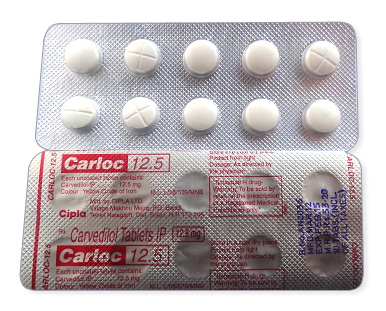
- Forms & Dosages: Tablets (immediate‑release) 3.125 mg, 6.25 mg, 12.5 mg, 25 mg; Capsules (extended‑release, “CR”) 10 mg, 20 mg, 40 mg, 80 mg.
- Manufacturers In United Kingdom: GlaxoSmithKline (original brand), Zentiva, Mylan, Teva, Accord Healthcare (generic suppliers; local listings may vary).
- Registration Status In United Kingdom: Not specified
- OTC / Rx Classification: Prescription only (Rx)
Key Findings From Recent Trials
Worried about whether carvedilol still matters with modern heart failure drug combinations?
Contemporary evidence continues to support carvedilol’s mortality and morbidity benefits in reduced ejection fraction heart failure.
Recent systematic reviews and meta‑analyses from 2022–2024 have compared carvedilol with selective β1 blockers and examined real‑world cohorts.
Pooled analyses often show carvedilol produces comparable or modestly better all‑cause mortality reduction versus selective β1‑blockers when combined with ACE inhibitor, ARB or ARNI therapy.
Benefits also extend to patients with left ventricular dysfunction after myocardial infarction where trial evidence exists.
Main Outcomes
Which outcomes improved in the trials?
Key outcomes included reductions in all‑cause mortality and hospital admissions for heart failure in HFrEF populations.
Improvements in functional capacity and symptoms were reported in registry and trial data.
Comparative meta‑analyses suggested carvedilol sometimes outperforms certain β1‑selectives in pooled cohorts, though head‑to‑head results vary by study.
Safety Observations
What safety points did the recent data highlight?
Common safety signals were bradycardia and symptomatic hypotension, especially during initiation and up‑titration.
Hepatic metabolism variability was emphasised, with carvedilol contraindicated in significant hepatic impairment per product information.
UK registries and clinical practice note that slow up‑titration—using twice‑daily immediate‑release tablets or CR equivalents—improves tolerability.
Clinical Mechanism Of Action
What does carvedilol do in plain terms?
Carvedilol lowers heart rate and blood pressure and reduces the heart's workload by blocking stress hormones’ effects.
The net effect eases breathlessness, improves exercise tolerance and reduces the chance of worsening heart failure or further cardiac events.
Scientific Breakdown
How does it work at a pharmacological level?
Carvedilol is a non‑selective beta‑adrenergic blocker with additional alpha‑1 antagonism (ATC C07AG02).
Beta blockade produces negative chronotropic effects and lowers myocardial oxygen demand.
Alpha‑1 antagonism causes vasodilation and reduces afterload, which can improve forward cardiac output.
Pharmacodynamics
What are the main receptor effects?
β1 and β2 blockade reduces sympathetic drive and myocardial oxygen consumption.
α1 blockade decreases peripheral resistance and afterload, aiding cardiac output in heart failure patients.
Pharmacokinetics
How is carvedilol given and processed by the body?
Immediate‑release tablets are available in 3.125–25 mg strengths and CR capsules in 10–80 mg strengths.
Carvedilol is metabolised hepatically via CYP pathways, which makes hepatic function important for safety.
Because of hepatic metabolism variability, carvedilol is contraindicated in clinically significant hepatic impairment.
Clinical Implications
What does this mean when choosing treatment?
The combined alpha/beta action may reduce afterload more than β1‑selective agents and can be advantageous in HFrEF.
However, non‑selective β blockade raises the risk of bronchospasm in people with reactive airways disease.
Scope Of Approved & Off-Label Use
Which conditions is carvedilol licensed to treat in practice?
Carvedilol (INN carvedilol; marketed as Coreg and generics) is prescription‑only and indicated for heart failure, hypertension and left ventricular dysfunction after myocardial infarction.
Dosing follows standard summaries of product characteristics: start low and up‑titrate to tolerated maintenance doses, often twice daily for IR tablets.
Notable Off‑Label Trends
Do clinicians use carvedilol for other problems?
There are off‑label uses including control of certain tachyarrhythmias and complex resistant hypertension regimens, though evidence varies.
Occasional use in portal hypertension complications is reported in some centres but is not routine in UK practice.
Special Populations
How about children, older adults and people with liver disease?
Children: safety and effectiveness are not well established, so routine use is uncommon.
Elderly: increased sensitivity is expected, so begin at lower doses and titrate cautiously.
Liver impairment: carvedilol is contraindicated in clinically significant hepatic impairment and should be avoided.
Dosage Strategy
How should carvedilol be started and titrated?
Standard advice is to start low and increase slowly while monitoring blood pressure and pulse.
Take doses with food to reduce orthostatic hypotension and to stabilise absorption.
General Dosing
What strengths are commonly used?
Immediate‑release tablets: 3.125 mg, 6.25 mg, 12.5 mg and 25 mg.
Coreg CR capsules provide 10–80 mg for once‑daily dosing where CR is used.
Heart Failure (HFrEF)
What is the usual heart failure regimen?
Initiate at 3.125 mg twice daily and double every two weeks as tolerated to a usual target of 25 mg twice daily.
Patients over 85 kg may require higher doses, sometimes up to 50 mg twice daily as per product information.
Hypertension
How is carvedilol used for high blood pressure?
Start commonly at 6.25 mg twice daily and up‑titrate to 25 mg twice daily if needed and tolerated.
Post‑MI Left Ventricular Dysfunction
What dosing follows a myocardial infarction?
Start often at 6.25 mg twice daily, moving to 25 mg twice daily where tolerated to reduce adverse cardiac events.
Special Considerations
What monitoring is essential during titration?
- Measure blood pressure and heart rate regularly during up‑titration.
- Monitor clinical signs of heart failure and review for dizziness or symptomatic hypotension.
Safety Protocols
Can everyone take carvedilol safely?
Certain conditions make carvedilol unsafe or require close monitoring.
Contraindications
Who must not take carvedilol?
Absolute contraindications include bronchial asthma and other bronchospastic conditions, severe hepatic impairment, severe bradycardia (below 50 bpm), second‑ or third‑degree AV block unless a pacemaker is present, sick sinus syndrome, cardiogenic shock and known hypersensitivity to carvedilol or excipients.
Overt cardiac failure requiring intravenous inotropic support is also a contraindication.
Adverse Effects
What side effects do patients commonly report?
Common events are dizziness and fatigue, especially during the initial weeks of treatment.
Diarrhoea is reported commonly.
Bradycardia and postural hypotension can be dose related.
Peripheral oedema and modest weight gain may occur in patients with heart failure.
Monitoring Plan
What baseline checks are recommended?
Baseline blood pressure, heart rate and a review of liver function are advised before starting therapy.
During titration, check vitals frequently and reassess LFTs if clinically indicated.
Management Of Side Effects
How should clinicians handle adverse effects?
Reduce dose or slow the titration schedule when dizziness, hypotension or bradycardia occur.
Switch to a β1‑selective agent if bronchospasm risk or intolerable side effects arise.
Do not stop carvedilol abruptly; taper under supervision to avoid rebound cardiovascular events.
Interaction Mapping
Will carvedilol clash with my food or other medicines?
Food improves tolerability and helps reduce orthostatic drops in blood pressure.
Food Interactions
How should carvedilol be taken with meals?
Take immediate‑release carvedilol with food, typically twice daily, to reduce light‑headedness and stabilise absorption.
CR capsules have specific instructions—follow the product leaflet.
Drug Combinations To Avoid
Which drug combinations increase risk?
Additive bradycardia or AV block can occur with verapamil, diltiazem, digoxin and some antiarrhythmics, so monitor ECG and pulse.
Strong hepatic CYP inhibitors may raise carvedilol levels because carvedilol is hepatically metabolised.
Concurrent use with other antihypertensives, nitrates or alcohol may cause excessive hypotension.
Because carvedilol is non‑selective, avoid in active asthma due to bronchospasm risk.
Patient Experience Analysis
What do patients say about carvedilol in everyday life?
Many patients notice symptom improvement in breathlessness and exercise tolerance after stabilising on a tolerated dose.
Initial weeks commonly bring tiredness and dizziness which tend to settle with slow titration.
Survey Data
What do registries and surveys show?
Real‑world registries report adherence challenges during up‑titration, with discontinuation rates higher in older adults.
Patient‑reported outcomes often improve once the maintenance dose is reached, especially in well‑supported heart failure pathways.
Forum Trends
What themes appear on patient forums?
Online discussions highlight early tiredness and sleep changes, weight fluctuation and practical tips like always taking carvedilol with food.
Many forum posts balance early side‑effects with later improvements in symptoms.
Practical Counselling Points
How should pharmacists counsel patients?
- Explain a 2–8 week adjustment period is common and expected.
- Advise taking carvedilol with food and to monitor pulse and blood pressure at home if practicable.
- Warn against abrupt discontinuation and advise reporting breathlessness, fainting, or signs of liver problems promptly.
Distribution & Pricing Landscape
How easy is it to get carvedilol in the UK and what does it cost?
Carvedilol is prescription‑only in the UK and widely available as generics supplied by multiple manufacturers.
Generics from manufacturers such as Zentiva, Mylan, Teva and Accord have lowered prices compared with the original Coreg brand.
NHS Context
How do NHS prescribers choose between brands?
Prescribers and formularies tend to favour cost‑effective generics and local trusts may specify a preferred supplier to maintain continuity of supply.
Supply Chain Notes
What should pharmacists watch for?
Check national shortage alerts for intermittent supply issues and verify whether a dispensed product is IR or CR to avoid dosing errors.
Generic carvedilol provides low‑cost options for most patients compared with branded Coreg.
Alternative Options
Should carvedilol always be the first‑line beta‑blocker?
Choice between carvedilol and other beta‑blockers depends on comorbidity, trial evidence and tolerability.
Comparison Table
How does carvedilol compare with metoprolol, bisoprolol or nebivolol?
Carvedilol has strong HFrEF data and an alpha component which reduces afterload.
β1‑selective agents like bisoprolol or metoprolol may be better tolerated in patients with reactive airways disease due to lower bronchospasm risk.
Pros And Cons
What are the practical advantages and drawbacks?
Pros: robust HFrEF evidence, vasodilatory benefit from α1 blockade and wide generic availability.
Cons: non‑selective profile increases bronchospasm risk, hepatic metabolism considerations and twice‑daily IR dosing may affect adherence (CR offers once‑daily where used).
Regulatory Status
Is carvedilol approved and monitored?
Carvedilol is approved in major jurisdictions including the FDA and in the EU via national agencies.
Classification remains prescription only in most territories.
UK Specifics
What should UK clinicians remember?
Prescribers should consult the product leaflet and local formularies for up‑to‑date licensing details and contraindications, particularly regarding hepatic impairment.
Pharmacovigilance
How are adverse events reported?
Report serious bradycardia, hepatic reactions or unexpected bronchospasm via the MHRA Yellow Card scheme.
Consolidated FAQ
Which common patient questions are asked most often?
Common Patient Questions
How should I take carvedilol?
Take carvedilol with food, follow the prescribed titration schedule and do not double doses if a dose is missed.
What doses are available?
IR tablets: 3.125, 6.25, 12.5 and 25 mg; CR capsules: 10, 20, 40 and 80 mg.
Can people with asthma take it?
No—carvedilol is contraindicated in bronchial asthma and other bronchospastic conditions.
What monitoring is needed?
Monitor blood pressure, heart rate, clinical heart failure status and check liver function tests where clinically indicated.
Stopping carvedilol?
Avoid abrupt cessation; taper under medical supervision to reduce risk of rebound hypertension or arrhythmia.
Clinician Considerations
What should prescribers remember?
Start lower in elderly patients, avoid carvedilol in severe hepatic impairment and be mindful of interactions with verapamil, diltiazem, digoxin and other negative chronotropes.
Document shared decision‑making and plan follow‑up for titration.
Visual Guide
How can dosing and monitoring be presented simply to patients?
Use a dosage ladder infographic and a monitoring timeline to improve adherence and safety in primary care and heart failure services.
Dosage Visualisation
What should a dosage ladder show?
Start 3.125 mg twice daily (HFrEF) then double every two weeks as tolerated to reach 25 mg twice daily, with CR equivalence shown for once‑daily dosing where applicable.
Side‑Effect & Monitoring Flowchart
Which timeline is practical for monitoring?
Baseline BP/HR and LFTs, weekly checks during the first month of titration, monthly until stable and routine heart failure reviews thereafter.
Include clear icons for dizziness, fatigue, bradycardia and hypotension with actions such as “reduce dose” or “seek urgent care”.
Storage & Transport
How should carvedilol be stored at home and in pharmacy?
Store at room temperature (20–25°C) and protect from moisture and heat.
Keep tablets in original packaging and check batch and expiry dates before dispensing.
Handling Tips
What should pharmacists tell patients?
Advise patients to keep tablets in their blister packs and to return expired or unused medicines via pharmacy take‑back schemes per NHS guidance.
Legal / Regulatory
Are there special dispensing records required?
Carvedilol is prescription only; ensure secure dispensing records and compliance with local pharmacy policies.
Guidelines For Proper Use
What checklist should prescribers use before starting carvedilol?
Prescribing Checklist
- Confirm indication (HFrEF, hypertension, post‑MI LV dysfunction).
- Review absolute contraindications such as asthma and severe hepatic impairment.
- Obtain baseline vitals and consider LFTs as clinically indicated.
- Choose formulation: IR tablets (3.125–25 mg) or CR capsules (10–80 mg) as appropriate.
- Document titration schedule and monitoring plan; obtain informed consent about side effects and the need to avoid abrupt withdrawal.
Patient Counselling Points
What should be discussed at dispensing?
Advise taking with food, warn about transient tiredness and dizziness during titration, and instruct patients to check pulse and BP.
Arrange early review within 1–2 weeks of initiation and frequent checks during titration.
Emphasise reporting of adverse events to the MHRA Yellow Card scheme.
Delivery Across United Kingdom
| City | Region | Delivery Time |
|---|---|---|
| London | England | 5-7 days |
| Birmingham | England | 5-7 days |
| Manchester | England | 5-7 days |
| Glasgow | Scotland | 5-7 days |
| Leeds | England | 5-7 days |
| Liverpool | England | 5-7 days |
| Bristol | England | 5-7 days |
| Sheffield | England | 5-9 days |
| Edinburgh | Scotland | 5-9 days |
| Newcastle | England | 5-9 days |
| Leicester | England | 5-9 days |
| Coventry | England | 5-9 days |
| Cardiff | Wales | 5-9 days |
| Belfast | Northern Ireland | 5-9 days |
Alternative Options
If carvedilol is unsuitable, which beta‑blockers are considered?
Metoprolol and bisoprolol are commonly used β1‑selective agents with trial evidence in heart failure and a lower bronchospasm risk.
Nebivolol may be chosen for patients preferring once‑daily dosing and favourable tolerability, depending on clinician judgement.
Pros And Cons Recap
Summarising quickly for clinicians and patients:
Carvedilol: solid HFrEF evidence, vasodilatory benefit, generic availability, twice‑daily IR dosing or once‑daily CR where used.
Alternatives: β1‑selectives may be preferable with asthma or COPD and may offer once‑daily options.
Regulatory Status
How is carvedilol regulated and monitored in practice?
Carvedilol is an established prescription medicine with approvals across major jurisdictions and ongoing pharmacovigilance via national schemes.
Consolidated FAQ
One last rapid‑fire review of common queries.
How should I take carvedilol?
Take with food; immediate‑release tablets are typically twice daily; follow the prescribed titration schedule and do not double up missed doses.
What monitoring should clinicians do?
Monitor BP, heart rate and clinical heart failure status; check LFTs if clinically indicated, and report serious events via Yellow Card.
Note on availability: In our online pharmacy, coreg is available without a prescription, with discreet delivery to United Kingdom in 5-14 days.
Storage & Waste
How should patients dispose of unused carvedilol?
Return expired or unwanted tablets to your pharmacy for safe disposal under NHS guidance.
Final Practical Notes
Avoid abrupt cessation to prevent rebound hypertension or arrhythmia.
Ensure shared decision‑making, clear titration plans and early follow‑up during the first weeks of treatment.
For country‑specific product monographs consult national regulatory databases if you need more detail.