
Metformin + Glyburide
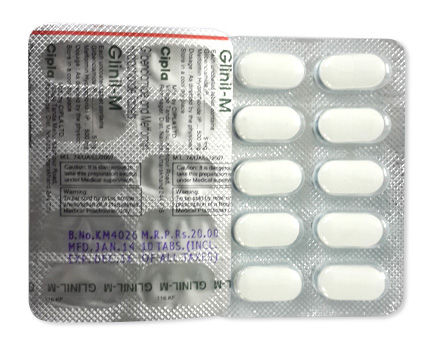
Metformin + Glyburide
- In our pharmacy, you can buy metformin + glyburide without a prescription, with delivery across the United Kingdom in 5–14 days and discreet packaging.
- Metformin + glyburide is used to treat type 2 diabetes by combining metformin (which reduces hepatic glucose production and improves insulin sensitivity) with glyburide (a sulfonylurea that increases insulin secretion from the pancreas).
- The usual starting dose is 1.25mg/250mg once or twice daily with meals, titrated every 2 weeks as needed; the maximum recommended total daily dose is 20mg glyburide / 2000mg metformin.
- The form of administration is oral tablets.
- The glyburide component begins to lower blood glucose within about 1–2 hours; metformin’s glucose‑lowering effects begin within hours, with fuller effects seen over days to weeks.
- The duration of action is generally 12–24 hours for the combination, so daily dosing is required for ongoing glycaemic control.
- Avoid excessive alcohol while taking this medicine, as alcohol increases the risk of lactic acidosis from metformin and can worsen hypoglycaemia from glyburide.
- The most common side effect is gastrointestinal upset (nausea, diarrhoea, abdominal discomfort); hypoglycaemia is also a notable risk, especially if meals are missed or with strenuous exercise.
- Would you like to try metformin + glyburide without a prescription?
Metformin + Glyburide
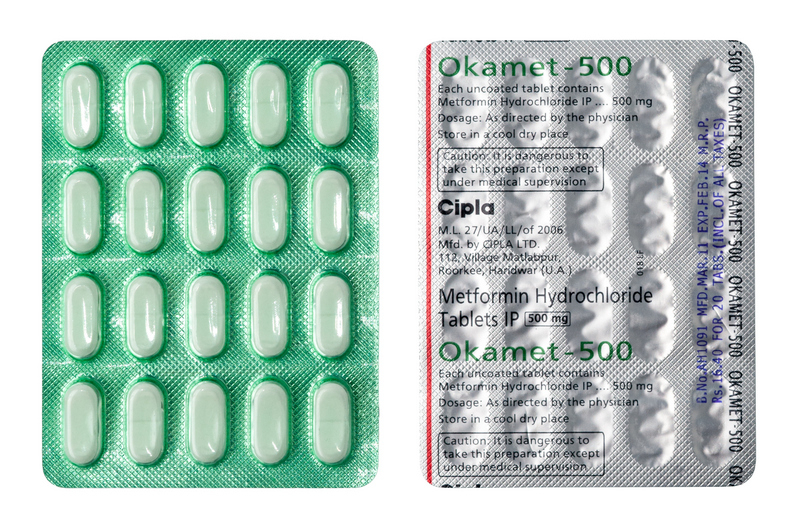
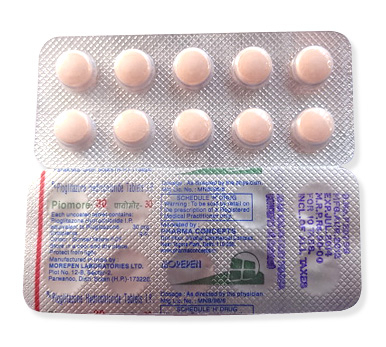
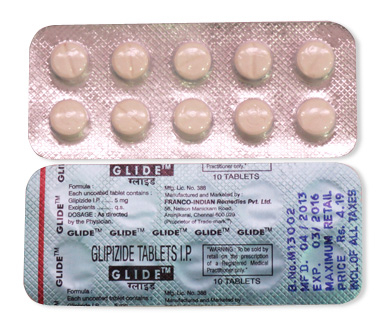
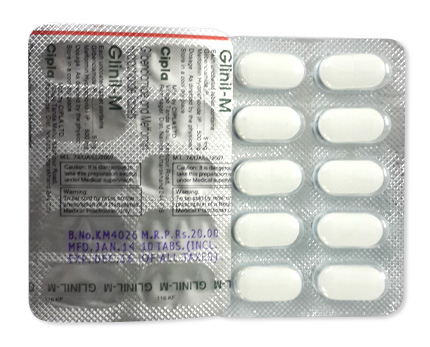
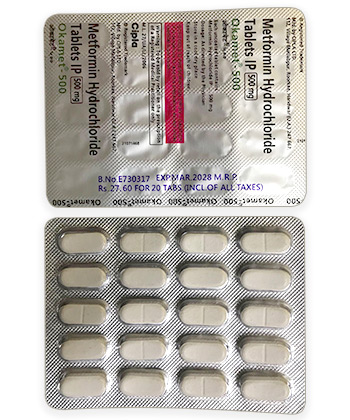
Basic Metformin + Glyburide Information
- INN (International Nonproprietary Name): Metformin and Glyburide.
- Brand Names Available In United Kingdom: not specified.
- ATC Code: A10BD03.
- Forms & Dosages: Oral tablets in strengths 1.25mg/250mg, 2.5mg/500mg and 5mg/500mg.
- Manufacturers In United Kingdom: not specified.
- Registration Status In United Kingdom: not specified.
- OTC / Rx Classification: Prescription only (Rx) globally.
Key Findings From Recent Trials
Worried that metformin + glyburide has been forgotten by modern research?
Major 2022–2025 studies specifically testing the metformin + glyburide combination are limited, and contemporary randomised controlled trials are scarce.
Most high‑quality randomised data for the combination date from earlier decades rather than 2022–2025.
Contemporary guideline shifts focus on cardiovascular and renal outcome data for newer add‑ons such as SGLT2 inhibitors and GLP‑1 receptor agonists rather than revisiting sulfonylurea‑biguanide fixed combinations.
Real‑world cohort analyses and pharmacovigilance reports since 2022 show the combination produces effective HbA1c reductions compared with metformin alone.
Those same analyses show a higher incidence of symptomatic hypoglycaemia than occurs with DPP‑4 or SGLT2 add‑ons.
Safety surveillance continues to highlight metformin‑associated lactic acidosis risk in renal impairment and glyburide‑related hypoglycaemia, especially in elderly and polypharmacy patients.
Product information and historical Glucovance data state the combination targets both insulin secretion and insulin resistance.
For UK clinical practice this translates to a reliable glycaemic effect but less preference where cardiovascular or renal outcome evidence guides therapy choice.
Main Outcomes
The combination achieves larger HbA1c reductions than metformin monotherapy in most studies included in older RCTs.
Glyburide adds potent insulin secretagogue activity while metformin reduces hepatic glucose output and improves insulin sensitivity.
Glycaemic efficacy is the strongest consistent finding across trials and real‑world registries.
Newer agents with CV/renal outcome benefits increasingly replace sulfonylurea combinations for many patients.
Safety Observations
Hypoglycaemia is the principal safety concern and is more frequent with glyburide-containing regimens than with DPP‑4 inhibitors or SGLT2 inhibitors paired with metformin.
Metformin accumulation and lactic acidosis are rare but serious, and risk increases with reduced renal function.
Elderly patients and those on interacting medications are at particular risk of symptomatic hypoglycaemia.
Clinicians should consider these safety signals when prescribing and monitor renal function and hypoglycaemia frequency.
Clinical Mechanism Of Action
Are you wondering how two pills in one actually improve blood sugar?
In simple terms, metformin improves the body's response to insulin while glyburide increases insulin release from the pancreas.
Layman’s Explanation
Metformin lowers the amount of sugar your liver makes and helps muscles use insulin better.
Glyburide tells the pancreas to release more insulin to lower blood sugar after meals.
Together the two medicines reduce blood glucose by addressing both resistance to insulin and insufficient insulin release.
Metformin (Biguanide) Actions
Metformin primarily reduces hepatic gluconeogenesis and produces a modest improvement in peripheral insulin sensitivity.
It also appears to activate AMPK‑related pathways that affect cellular energy handling.
Metformin alone carries a low intrinsic risk of hypoglycaemia.
Glyburide (Sulfonylurea) Actions
Glyburide closes KATP channels on pancreatic beta cells, triggering insulin granule exocytosis.
The effect is dose‑dependent and carries a higher hypoglycaemia risk than metformin.
Fixed‑dose combination tablets are available in strengths from 1.25mg/250mg to 5mg/500mg to aid titration.
Pharmacokinetically, glyburide is processed hepatically and may be affected by CYP interactions.
Metformin is renally excreted unchanged, which makes renal monitoring essential.
Scope Of Approved & Off‑Label Use
Who is the metformin + glyburide pill approved for and who should avoid it?
United Kingdom Approvals
The metformin + glyburide fixed combination is classified as prescription only worldwide.
The active ingredients are listed under ATC code A10BD03 and the combination has been marketed as Glucovance historically.
Generics now dominate global supply, but specific UK brand listings are not specified in the product information provided.
Prescribers in the UK should verify MHRA and BNF entries for local licence details before prescribing.
The approved adult indication is Type 2 diabetes mellitus for glycaemic control and not for Type 1 diabetes or paediatric use.
Standard starter guidance from product documentation is 1.25mg/250mg once or twice daily with meals, titrating every two weeks up to a maximum of 20mg/2000mg per day.
Notable Off‑Label Trends
The combination is generally avoided in frail elderly patients and in patients requiring insulin due to hypoglycaemia risk.
It is not recommended during pregnancy, lactation or in children according to available product information.
In UK practice, clinicians tend to favour newer agents with cardiovascular and renal outcome data for many patients.
The fixed tablet remains an option where cost, adherence and individual patient preference make it appropriate.
Dosage Strategy
How should dosing be started and adjusted safely?
General Dosing
Follow the product recommendations for starting and titration.
Begin at 1.25mg/250mg once or twice daily with meals to reduce gastrointestinal upset.
Increase dose every two weeks based on blood glucose response and tolerability.
Do not exceed 20mg glyburide / 2000mg metformin daily.
Common tablet strengths are 1.25/250 mg, 2.5/500 mg and 5/500 mg.
Condition‑Specific Dosing
Elderly patients should start at the lowest dose and have renal function closely monitored.
Severe renal impairment is an absolute contraindication because metformin accumulation increases lactic acidosis risk.
Hepatic impairment is not recommended for use due to increased risk of toxicity.
For procedures using iodinated contrast follow local protocols which often advise temporary interruption of metformin.
Practical Titration Example
Start 1.25/250 mg once daily for two weeks with food.
If tolerated and glucose remains above target, increase to 1.25/250 mg twice daily.
Subsequent escalation can move to 2.5/500 mg as required while monitoring for hypoglycaemia.
Adjust or stop therapy if renal function falls or if recurrent hypoglycaemia occurs despite adjustments.
Safety Protocols
Patients often ask what the most serious risks are and how to avoid them.
Contraindications
Absolute contraindications include severe renal impairment with eGFR below 30 ml/min.
Other absolute contraindications are metabolic acidosis including lactic acidosis, known hypersensitivity to either component, and Type 1 diabetes.
Use is not recommended in hepatic impairment and caution is required around major surgery, trauma and alcohol misuse.
Adverse Effects
Common side effects are gastrointestinal and include nausea, diarrhoea and upset stomach mainly from metformin.
Hypoglycaemia symptoms such as shakiness, sweating and hunger are primarily due to glyburide.
Rare but serious events include lactic acidosis, which presents with lethargy, rapid breathing and muscle pain and requires immediate medical attention.
Monitoring should include baseline and periodic renal function tests, HbA1c checks and assessment of hypoglycaemia frequency.
Interaction Mapping
What should patients avoid eating or taking while on the combination?
Food Interactions
Take the tablets with meals to reduce gastrointestinal upset and lessen hypoglycaemia risk from glyburide.
Avoid excessive alcohol because it increases the risk of metformin‑related lactic acidosis and can worsen hypoglycaemia.
Drug Combinations To Avoid
Around imaging with iodinated contrast, follow local recommendations which often call for temporary metformin interruption in patients with reduced renal reserve.
Drugs that impair renal function can raise metformin levels and should prompt closer monitoring or alternative therapy.
Other glucose‑lowering drugs such as additional sulfonylureas or insulin increase hypoglycaemia risk and should be used cautiously.
Strong CYP inhibitors can increase glyburide exposure and hypoglycaemia risk, so review medications such as some azole antifungals and macrolide antibiotics.
Beta‑blockers may mask warning signs of hypoglycaemia and require patient counselling.
Primary care and hospital discharge summaries should be reviewed to avoid interacting prescriptions.
Patient Experience Analysis
What do people actually say about taking a single tablet that contains two drugs?
Survey Data
Published patient surveys specific to the fixed metformin+glyburide pill are sparse in recent years.
Historical RCT extensions and registries show patients value single‑tablet convenience and improved glycaemic control versus metformin alone.
Patients report an increased frequency of symptomatic hypoglycaemia compared with metformin monotherapy.
Early treatment is often associated with transient GI intolerance such as nausea and diarrhoea.
Forum Trends
Online patient forums commonly discuss two priorities: avoiding hypoglycaemia and reducing pill burden.
Practical tips that appear frequently include careful meal timing and monitoring blood glucose when starting or increasing doses.
Elderly patients and carers often report concern about nocturnal hypoglycaemia with glyburide.
Clinicians should document shared decision‑making about risks and consider alternative add‑ons where hypoglycaemia risk is unacceptable.
Distribution & Pricing Landscape
How easy and costly is it to get metformin + glyburide in the UK?
The fixed combination was originally sold as Glucovance but generics now dominate the global market.
Manufacturers listed in product data include Teva, Apotex, Aurobindo and Sandoz in the US/EU, and several suppliers in India.
Common tablet strengths are 1.25/250 mg, 2.5/500 mg and 5/500 mg and packaging varies by country.
The combination can be cost‑effective where generics are used because a single tablet may be cheaper than two separate products.
NHS prescribing generally starts with metformin monotherapy and only escalates to fixed combinations where clinically and economically justified.
Supply and price depend on manufacturer, procurement channel and any import arrangements.
For convenience, metformin + glyburide is available without a prescription from our online pharmacy, with discreet delivery to United Kingdom in 5-14 days.
Alternative Options
Which treatment choices are commonly used instead of the fixed combination?
Comparison Table (Text)
Metformin Alone — First‑line, low cost and low risk of hypoglycaemia, but GI side effects are common.
Metformin + Glyburide — Stronger HbA1c reduction than metformin alone but carries higher hypoglycaemia risk.
Metformin + DPP‑4 Inhibitor — Moderate HbA1c reduction, low hypoglycaemia risk and weight neutral.
Metformin + SGLT2 Inhibitor — Glycaemic control with cardiovascular and renal benefits; higher cost and risk of genital infections.
Metformin + GLP‑1 Receptor Agonist — Potent HbA1c lowering and weight loss benefits, usually injectable and more expensive.
Pros And Cons
Pros of the metformin+glyburide combination include oral single‑tablet convenience, clear titration schedules and potential cost savings with generics.
Cons include increased risk of hypoglycaemia, lack of modern cardiovascular and renal outcome data and contraindication in significant renal or hepatic impairment.
Choose therapy based on the patient's risk of hypoglycaemia, comorbid cardiovascular or renal disease and cost considerations.
Regulatory Status
What do regulators say about the fixed tablet?
The combination is categorised under ATC code A10BD03 and historically approved in the USA as Glucovance (NDA 021178).
Generics are authorised across the EU and in several other countries including Canada and Romania.
Worldwide classification is prescription only, and SPCs detail contraindications such as eGFR below 30 ml/min and lactic acidosis warnings.
Post‑Brexit, UK prescribers should check MHRA and BNF listings for the most current licence information.
Consolidated FAQ
Is Metformin + Glyburide Available In The UK?
Yes, generics or legacy brands may be available, but check MHRA, BNF and local formularies for current licensed products.
Who Should Not Take It?
Patients with eGFR below 30 ml/min, Type 1 diabetes, metabolic acidosis, or significant hepatic impairment should not take the combination.
What Is The Starting Dose?
Start 1.25mg/250mg once daily with meals and titrate every two weeks as tolerated up to 20mg/2000mg per day.
How Do I Manage A Missed Dose?
Take as soon as remembered unless the next dose is due soon and do not double the dose.
Is It Safe In Pregnancy Or Lactation?
It is not recommended and specialist advice is required.
What Are The Key Side Effects?
Gastrointestinal upset from metformin, hypoglycaemia from glyburide and rare lactic acidosis are the main concerns.
What Monitoring Is Required?
Baseline and periodic renal function checks, HbA1c monitoring and reviews for hypoglycaemia frequency are required.
Visual Guide
What should be included on a patient or clinician infographic?
Mechanism Schematic (Simple)
Include two panels showing the liver and pancreas.
Show metformin decreasing hepatic glucose output and modulating AMPK.
Show glyburide closing KATP channels on beta cells to increase insulin release.
Dosing & Titration Chart
Starter row: 1.25/250 mg once daily with food.
Two‑week review with option to increase to 1.25/250 mg twice daily.
Escalation steps to 2.5/500 mg or 5/500 mg with a maximum of 20mg/2000mg daily.
Include monitoring checkpoints such as renal function and HbA1c at three months.
Red Flag Checklist
Include eGFR below 30 ml/min, symptoms of lactic acidosis, recurrent hypoglycaemia, major surgery or scheduled iodinated contrast procedures and pregnancy.
Provide a patient action card on how to manage hypoglycaemia and missed doses.
Storage & Transport
How should pharmacies and patients store the tablets?
Store tablets at controlled room temperature between 20–25°C and protect from moisture and heat.
Transport in original packaging for traceability and avoid exposing the product to moisture during storage.
Dispensing labels should instruct patients to take with meals and avoid alcohol.
For disposal, advise patients to follow NHS or local council guidance and not to flush medicines.
Guidelines For Proper Use
What monitoring schedule should clinicians follow and when should therapy be stopped?
Monitoring Schedule
Obtain baseline renal function before starting and monitor periodically depending on age and comorbidity.
Check HbA1c at around three months after initiation or dose change, then per routine diabetes care.
Review renal function within weeks of dose change and at least every 3–12 months according to risk.
Monitor for hypoglycaemia episodes and review concomitant medications that increase risk.
When To Switch Or Stop
Stop the combination if eGFR falls below 30 ml/min or if lactic acidosis is suspected.
Consider switching when recurrent hypoglycaemia occurs despite dose and lifestyle optimisation.
Switch to alternatives such as DPP‑4 inhibitors, SGLT2 inhibitors or GLP‑1 receptor agonists when cardiovascular or renal benefits are a priority or when hypoglycaemia risk is unacceptable.
Document shared decision‑making and arrange follow‑up blood glucose checks after any transition.
Delivery Across United Kingdom
| City | Region | Delivery Time |
|---|---|---|
| London | Greater London | 5-7 days |
| Birmingham | West Midlands | 5-7 days |
| Manchester | Greater Manchester | 5-7 days |
| Glasgow | Scotland | 5-7 days |
| Leeds | West Yorkshire | 5-7 days |
| Liverpool | Merseyside | 5-7 days |
| Edinburgh | Scotland | 5-7 days |
| Bristol | South West England | 5-7 days |
| Sheffield | South Yorkshire | 5-9 days |
| Newcastle upon Tyne | North East England | 5-9 days |
| Southampton | South East England | 5-9 days |
| Nottingham | Nottinghamshire | 5-9 days |
| Belfast | Northern Ireland | 5-9 days |
| Cardiff | Wales | 5-9 days |
Concluding Notes For Clinicians
The metformin + glyburide combination remains a valid, effective option for blood glucose lowering when used in the right patient.
Its principal strengths are glycaemic efficacy, single‑tablet convenience and potential cost advantages with generics.
Main limitations are the higher hypoglycaemia risk and contraindication in significant renal or hepatic impairment.
Where cardiovascular or renal protection is a clinical priority, consider modern alternatives such as SGLT2 inhibitors or GLP‑1 receptor agonists.
Ensure baseline renal function is documented and schedule regular monitoring after initiation or dose changes.
Provide patients with clear hypoglycaemia action plans and advice on alcohol avoidance and timing of meals.
Document shared decision‑making and review the medicine list for interactions at each contact.