Periactin
Periactin
- In our pharmacy, you can buy Periactin without a prescription, with delivery in 5–14 days throughout United Kingdom. Discreet and anonymous packaging.
- Periactin (cyproheptadine) is used for allergic conditions and as an off‑label appetite stimulant and migraine prophylaxis; it is a first‑generation H1 antihistamine with anticholinergic and anti‑serotonergic (5‑HT2) activity.
- The usual adult dose for allergies is 4 mg (one tablet) three times daily; for appetite stimulation 2–4 mg up to three times daily; children ≥2 years typically 2 mg (half tablet) two to three times daily—doses should be individualised and infants under 2 years should not be given cyproheptadine.
- Available as 4 mg tablets and as a syrup (commonly 2 mg/5 ml).
- The effect usually begins within 15–60 minutes after oral administration.
- The clinical duration of action is typically around 6–8 hours, though effects may persist longer in some individuals.
- Avoid alcohol or use with caution, as alcohol increases sedation and central nervous system depression.
- The most common side effect is drowsiness.
- Would you like to try periactin without a prescription?
Periactin

Basic Periactin Information
- INN (International Nonproprietary Name): Cyproheptadine
- Brand Names Available In United Kingdom: Periactin (listed as Periactin in Australia, India and the UK in supplier data)
- ATC Code: R06AX02
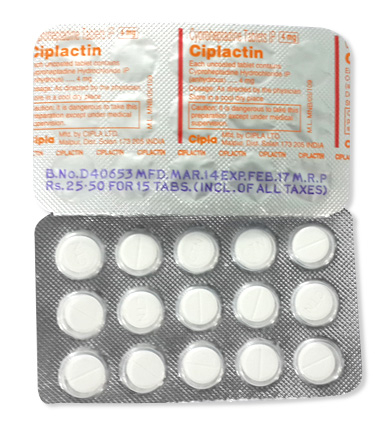
- Forms & Dosages: Tablet 4 mg (Periactin, Ciplactin); Syrup 2 mg/5 ml (cyproheptadine preparations)
- Manufacturers In United Kingdom: not specified
- Registration Status In United Kingdom: not specified
- OTC / Rx Classification: Australia & India — OTC; USA and EU — Prescription only (Rx)
Key Findings From Recent Trials
What does the recent evidence (2022–2025) tell clinicians and carers about Periactin for appetite and migraine use?
A focused read of the recent literature highlights small randomised trials and observational cohorts prioritising two clinical areas: paediatric appetite stimulation and off‑label migraine prophylaxis.
High‑quality, large randomised controlled trials remain scarce, and the strongest evidence comes from controlled paediatric studies reporting short‑term appetite or weight gains versus placebo and from small neurology cohorts noting reduced migraine frequency at low doses.
Most trials report modest efficacy and short follow‑up, which limits claims about long‑term benefit or safety.
Major 2022–2025 Studies
Which studies should clinicians look at when considering cyproheptadine for non‑allergy uses?
Recent paediatric randomised trials commonly enrolled children with failure to thrive or poor appetite and showed modest, short‑term improvements in appetite or weight compared with placebo.
Neurology case series and small cohorts used low doses of cyproheptadine and reported fewer migraine days in a subset of patients, mostly those intolerant of standard prophylactics.
There is a clear pattern of small sample sizes and brief follow‑up across these reports, so caution is advised when extrapolating to routine practice.
Main Outcomes
What clinical effects were seen and how meaningful are they?
Overall effect sizes were modest and clinically meaningful appetite increases were seen only in a subset of children enrolled in controlled trials.
Migraine data were mixed, with clear responders among patients who could not tolerate first‑line prophylactic agents, but no large RCT confirmed superiority over standard options.
Practically, cyproheptadine may be considered as a targeted option rather than a broad first‑line therapy for appetite or migraine prevention.
Safety Observations
What safety signals cropped up in recent work?
Across trials the common safety signals were sedation or drowsiness, anticholinergic effects such as dry mouth and urinary retention, and paradoxical excitation reported in some children.
Older adults and people with hepatic impairment were under‑represented in the literature, leaving a gap in evidence for these higher‑risk groups.
UK adaptation of the data supports cautious, specialist‑guided off‑label use and indicates that routine primary‑care prescribing for appetite stimulation remains uncommon.
Clinical Keywords In Context
Clinicians searching for trial evidence will commonly see terms such as Periactin trials, cyproheptadine studies, appetite stimulation evidence and migraine prophylaxis cyproheptadine.
Clinical Mechanism Of Action
How does Periactin work and why does it affect appetite and migraine?
Layman’s Explanation
Cyproheptadine is a first‑generation antihistamine that blocks H1 histamine receptors, which reduces allergy symptoms and commonly causes sedation.
It also blocks certain serotonin receptors, which is thought to help increase appetite and may contribute to migraine prevention in some people.
Scientific Breakdown
The drug is classified under ATC code R06AX02 and combines antihistamine, antiserotonergic and anticholinergic actions.
Antihistamine Activity
Competitive H1 antagonism reduces histamine‑mediated vasodilation, pruritus and rhinorrhoea, accounting for the licensed antihistamine effect.
Antiserotonergic & Anticholinergic Effects
Blockade of 5‑HT2 receptors and antimuscarinic activity are associated with increased appetite and central neurotransmitter changes that may influence migraine frequency.
Antimuscarinic activity is also responsible for side effects such as dry mouth and urinary retention.
Pharmacokinetics And Clinical Implications
Oral formulations include 4 mg tablets and 2 mg/5 ml syrup, are well absorbed, and cross the blood‑brain barrier which explains pronounced sedation.
Dose adjustment is advised in elderly patients and those with hepatic impairment due to increased risk of CNS effects and drug accumulation.
In UK practice, benefits must be weighed against sedation and anticholinergic burden, particularly in frail older people and those on multiple anticholinergic medicines.
Scope Of Approved & Off‑Label Use
What is Periactin authorised for, and where is it used off‑label?
United Kingdom Approvals
Periactin (cyproheptadine) is marketed and recognised by brand data as available in the UK.
Across jurisdictions the standard authorised indication is systemic antihistamine use for allergic reactions.
In UK clinical practice prescribing is typically by clinicians for allergic indications when indicated and for selected off‑label purposes under supervision.
Notable Off‑Label Trends
Off‑label uses dominate public interest and include paediatric appetite stimulation for failure to thrive or cachexia, certain migraine prophylaxis regimens and selected pruritic dermatological conditions.
Market listings show Periactin 4 mg tablets and cyproheptadine syrup 2 mg/5 ml, and international availability differs — OTC in Australia and India but prescription‑only in the USA and EU.
UK clinicians usually reserve cyproheptadine for patients who do not tolerate second‑generation antihistamines or when appetite stimulation is a clear therapeutic goal, with documented consent and monitoring.
Dosage Strategy
What doses are used and how should they be adjusted for age and condition?
General Dosing
Common tablet strength is 4 mg and syrup is 2 mg/5 ml.
Typical adult dosing cited in product data is 4 mg three times daily.
Children aged two years and older often start at 2 mg (half a tablet) two to three times daily and infants under two years are not recommended to receive cyproheptadine.
Condition‑Specific Dosing
Allergic Reactions
Short‑term courses commonly use 4 mg three times daily until symptoms are controlled with frequent reassessment of response and adverse effects.
Appetite Stimulation (Paediatric)
Dosing for appetite stimulation is typically 2–4 mg up to three times daily and should be individualised, staying below 0.25 mg/kg per dose for children.
Response should be assessed at two to six weeks to decide on continuation.
Migraine Prophylaxis (Off‑Label)
Neurology cohorts report benefit at low doses such as 4 mg twice to three times daily but specialist initiation and follow‑up are advised when used for migraine prevention.
Dose Adjustments And Practical Notes
Elderly patients and those with hepatic or renal impairment should start at the lower end of the dosing range and be monitored closely for CNS and anticholinergic effects.
UK prescribers should document the rationale for treatment and intended duration, particularly for off‑label indications.
Safety Protocols
What safety checks and warnings should guide prescribing and counselling?
Contraindications
Absolute contraindications from product data include known hypersensitivity to cyproheptadine or excipients, newborns and premature infants, acute asthmatic attacks, angle‑closure glaucoma, bladder neck obstruction and concurrent or recent MAOI therapy within 14 days.
Pregnancy and breastfeeding require a risk‑benefit assessment and caution is advised.
Adverse Effects
Common adverse effects are drowsiness, dry mouth, dizziness, increased appetite or weight gain, headache and nausea.
More moderate or severe effects include confusion in elderly patients, urinary retention, visual disturbance and paradoxical CNS excitation in some children.
Overdose can present with CNS depression or excitation and anticholinergic toxicity and requires emergency care and supportive management.
In UK practice a baseline assessment of comorbidities and concomitant medicines is recommended, and patients should be warned about sedation — including avoiding driving or alcohol until the response is known.
Interaction Mapping
Which medicines and foods change how cyproheptadine works, or increase risk?
Food Interactions
No major food interactions are documented in supplier data.
Alcohol and other central nervous system depressants potentiate sedation and should be avoided while taking cyproheptadine.
Drug Combinations To Avoid
Concurrent use of monoamine oxidase inhibitors is contraindicated within 14 days because of unpredictable interactions.
Other sedatives and centrally acting medicines such as opioids, benzodiazepines and some antipsychotics have additive CNS depressant effects and should be co‑prescribed with caution.
Combining cyproheptadine with other anticholinergic medicines increases anticholinergic burden and risk of urinary retention and blurred vision.
Strong CYP inhibitors or drugs that prolong QT should prompt clinical monitoring and consideration of alternatives.
In primary care, review the full medicines list including over‑the‑counter antihistamines and herbal remedies before prescribing and set clear review dates when using cyproheptadine off‑label.
Patient Experience Analysis
What do families and patients actually report when taking Periactin?
Survey Data
Patient surveys and clinic audits report predictable sedation and increased appetite as the most frequently noted effects.
Caregivers of children often describe appetite gains positively but balance this against daytime sleepiness and school‑time drowsiness.
Higher‑quality patient‑reported outcome studies are limited, so anecdote and small audits shape much of the experiential evidence.
Forum Trends
Common online searches and forum posts include phrases like “Periactin for weight gain” and “Periactin drowsy”, reflecting interest in appetite effects and concern about sedation.
UK‑based posts emphasise access and prescription status and ask for clinician guidance on timing doses to reduce daytime drowsiness.
A practical clinical takeaway is to provide structured counselling, suggest night dosing to reduce daytime sedation where appropriate, and monitor weight, mood and urinary function during treatment.
Distribution & Pricing Landscape
Where does Periactin come from, and what should pharmacies and patients expect on price and packaging?
Periactin is marketed internationally with suppliers including Viatris, Auden Mckenzie, Teva and multiple generics such as Ciplactin in India and Arena brands in Latin America.
Tablets are usually supplied in blister packs or bottles and syrup typically in 120 mL bottles for many markets.
Regulatory and market differences create variable availability — OTC in Australia and India versus prescription‑only in the USA and EU — and this affects price and ease of purchase.
Branded Periactin tends to cost more than generics and NHS formulary position will dictate availability on prescription in the UK.
Pharmacies should check packaging and imprints such as the Australian “P4” where relevant and confirm the correct product strength before dispensing.
Alternative Options
What are reasonable alternatives if Periactin is unsuitable or unavailable?
Comparison Table (Summary)
- Cyproheptadine (Periactin): first‑generation, sedating, antiserotonergic, can stimulate appetite.
- Loratadine/Cetirizine/Fexofenadine: second‑generation antihistamines, less sedating, not appetite stimulants.
- Chlorpheniramine/Diphenhydramine: other first‑generation agents with similar or greater sedation.
Pros And Cons
Periactin’s advantages include usefulness when appetite stimulation is clinically desired and efficacy for some allergic symptoms.
Its disadvantages are sedation, anticholinergic effects, limited modern long‑term efficacy data for appetite stimulation and several contraindications such as recent MAOI use and angle‑closure glaucoma.
For routine allergic rhinitis or urticaria in the UK, second‑generation antihistamines are preferred because of better safety and tolerability profiles.
Regulatory Status
How is Periactin regulated across countries and what must UK prescribers record?
Periactin is registered and marketed in multiple countries and has regulatory listings such as AUST R 62384 in Australia; India permits OTC availability for many manufacturers while the USA and EU generally treat cyproheptadine as prescription‑only.
In the UK product data confirm marketing presence but specific MHRA licence details should be checked by prescribers and pharmacists from official MHRA sources when needed.
Prescribers must document off‑label rationales, obtain informed consent for unlicensed or off‑label use and follow local formulary governance for ongoing supply.
Consolidated FAQ
What do patients most want to know?
Is Periactin Available In The UK?
Yes — Periactin (cyproheptadine) is marketed and listed in global supplier data as available in the UK and commonly supplied as 4 mg tablets or generic cyproheptadine preparations.
Can It Be Used For Weight Gain?
Periactin is used off‑label for appetite stimulation in paediatrics and cachexia but initiation should be clinician‑led and monitored carefully for sedation and anticholinergic adverse effects.
What Are The Main Safety Worries?
Primary concerns include sedation, anticholinergic effects, urinary retention, paradoxical excitation in young children and dangerous interactions such as recent MAOI use.
Avoid use in infants under two years and use caution in the elderly and those with hepatic impairment.
Storage And Shelf Life?
Store below 25°C and protect from moisture and light.
Typical shelf life in original packaging is up to around 36 months.
Visual Guide
How should staff and patients recognise Periactin products and key precautions?
Packaging & Formulations
Periactin commonly appears as 4 mg tablets in blister packs or bottles and as syrup 2 mg/5 ml typically in 120 mL bottles.
Tablet imprints and box art vary by manufacturer and country; confirm the tablet imprint before dispensing.
Quick‑Reference Visuals (Clinical)
Useful clinical visuals include a dosing chart mapping child weight to the <0.25 mg/kg per dose guidance, simple icons for sedation, dry mouth and urinary retention, and contraindication badges for MAOI use, glaucoma and infants under two years.
Pharmacy teams should check the product imprint and pack size, and advise patients on correct formulation and storage below 25°C.
Storage & Transport
What practical steps ensure product integrity from stock to patient?
Keep Periactin in original packaging and store below 25°C, protected from moisture and light.
Tablets and syrup should be rotated by batch and expiry date in pharmacy stock, and temperature‑controlled storage is not generally required for cyproheptadine unless supplier guidance specifies otherwise.
Transport at standard ambient conditions is acceptable but avoid prolonged heat or humidity and report storage deviations in line with MHRA good distribution practice.
Advise patients to keep the medicine away from children and not to use it beyond the expiry date printed on the pack.
Guidelines For Proper Use
How should clinicians prescribe and how should patients be counselled?
Prescribing Best Practice (UK)
Document the indication, noting whether the prescription is for a licensed or off‑label indication.
Start at the lowest effective dose and obtain informed consent for off‑label use, scheduling an early review at two to six weeks for appetite response.
Avoid use in infants under two years and start elderly patients at a lower dose while monitoring for delirium, falls and anticholinergic burden.
Patient Counselling & Monitoring
Warn patients about expected sedation and recommend dosing at night where appropriate to reduce daytime sleepiness.
Advise against alcohol and caution with driving or operating machinery until the individual response is known.
Monitor weight, urinary function, mood and sleep during treatment and report serious adverse events through normal clinical governance routes.
For missed doses, take the dose as soon as remembered unless close to the next scheduled dose and do not double doses.
For overdose seek emergency care; expect CNS and anticholinergic symptoms which will be managed supportively.
Patient Access And Ordering
How can patients in the United Kingdom obtain Periactin if appropriate?
Access varies by brand and local prescribing policy, with some markets selling cyproheptadine OTC and others requiring a prescription.
In our online pharmacy, periactin is available without a prescription, with discreet delivery to United Kingdom in 5‑14 days.
Private pricing varies between branded Periactin and generic cyproheptadine, and pharmacies should verify formulation strength and source before dispensing.
Delivery Across United Kingdom
| City | Region | Delivery Time |
|---|---|---|
| London | Greater London | 5-7 days |
| Birmingham | West Midlands | 5-7 days |
| Manchester | Greater Manchester | 5-7 days |
| Glasgow | Scotland | 5-7 days |
| Leeds | West Yorkshire | 5-7 days |
| Liverpool | Merseyside | 5-7 days |
| Bristol | South West England | 5-7 days |
| Sheffield | South Yorkshire | 5-9 days |
| Edinburgh | Scotland | 5-7 days |
| Cardiff | Wales | 5-7 days |
| Belfast | Northern Ireland | 5-7 days |
| Newcastle Upon Tyne | North East England | 5-9 days |
| Nottingham | Nottinghamshire | 5-9 days |
| Leicester | Leicestershire | 5-9 days |
Summary Checklist For Clinicians
What practical steps should be followed when considering Periactin for a patient?
- Confirm the indication and whether use is licensed or off‑label.
- Screen for absolute contraindications including recent MAOI use and angle‑closure glaucoma.
- Start at the lowest effective dose and plan an early review at two to six weeks for appetite response.
- Counsel on sedation, avoid alcohol and advise on night dosing when appropriate.
- Monitor for anticholinergic effects, urinary retention and paradoxical excitation in children.
Final Notes
Periactin (cyproheptadine) is an established first‑generation antihistamine with recognised off‑label uses and a clear adverse‑effect profile.
Decisions about using Periactin for appetite stimulation or migraine prophylaxis should be specialist‑guided or carefully documented in primary care with informed consent and monitoring.
When dispensing, confirm the correct 4 mg tablet or 2 mg/5 ml syrup and advise patients on storage below 25°C and expected side effects such as drowsiness and dry mouth.
Where availability or licensing is unclear, consult MHRA guidance and local formulary tools before initiating long‑term therapy.