
Itraconazole
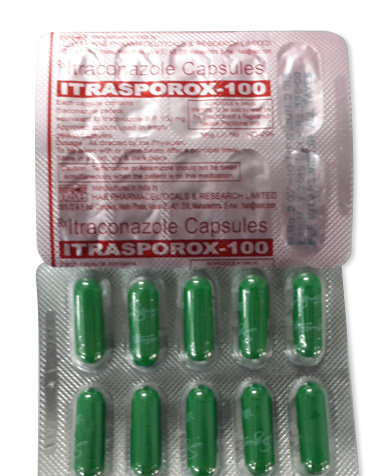
Itraconazole
- Itraconazole is available from pharmacies and hospital suppliers in many countries under brand names such as Sporanox, Orungal and generic itraconazole; however, it is normally a prescription-only medicine, although in some pharmacy settings it may be possible to buy itraconazole without a prescription. Availability and delivery depend on local regulations.
- Itraconazole is used to treat fungal infections, including nail fungal infections (onychomycosis), oropharyngeal and oesophageal candidiasis, dermatomycoses, and certain systemic mycoses such as histoplasmosis and aspergillosis. It works by inhibiting fungal lanosterol 14α-demethylase, which blocks ergosterol synthesis and weakens the fungal cell membrane.
- The usual dose depends on the condition: for nail infections, 200 mg daily; for systemic fungal infections, 200–400 mg daily; for oral candidiasis, 100–200 mg daily; and for skin fungal infections, 200 mg daily or 100 mg twice daily.
- Itraconazole is taken by mouth as capsules, tablets, or an oral solution; in some hospital settings it may also be given by intravenous infusion.
- Itraconazole does not act instantly; some improvement may be noticed within a few days, but the full antifungal effect often takes several days to weeks, depending on the infection and the body site involved.
- The duration of action is prolonged, with treatment usually lasting from 1–2 weeks for oral candidiasis to 6 weeks–3 months for nail infections, and several months for systemic or invasive fungal infections.
- Avoid alcohol, or keep intake to a minimum, as itraconazole can affect the liver and alcohol may increase the risk of liver-related side effects.
- The most common side effects are nausea, vomiting, diarrhoea, abdominal pain, headache, dizziness, rash, and raised liver enzymes.
- Would you like to try itraconazole without a prescription?
Itraconazole
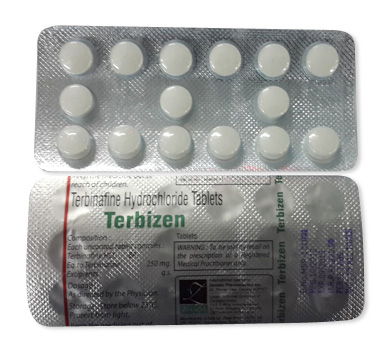
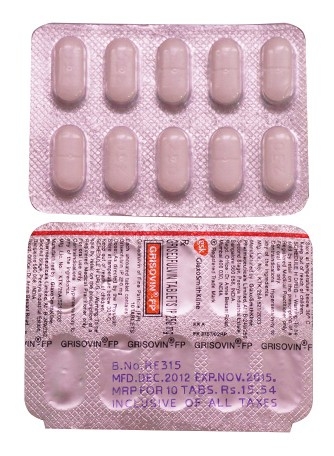
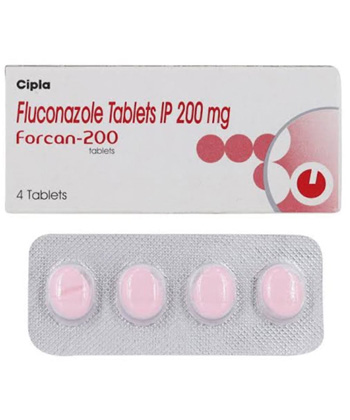
Basic Itraconazole Information
- INN (International Nonproprietary Name): Itraconazole
- Brand Names Available in United Kingdom: Sporanox, generic itraconazole
- ATC Code: J02AC02
- Forms & Dosages: Capsules/tablets 50mg, 100mg, 200mg; oral solution 10mg/mL; IV infusion 200mg/25mL
- Manufacturers in United Kingdom: Janssen Pharmaceutica/Johnson & Johnson, and generic suppliers depending on wholesaler availability
- Registration Status in United Kingdom: Prescription-only antifungal
- OTC / Rx Classification: Prescription-only medication (Rx)
Key Findings From Recent Trials
Major 2022–2025 Studies
What has changed in itraconazole research over the last few years, and does it still hold its place for fungal disease?
Recent trials and real-world reports from 2022 to 2025 still support itraconazole capsules and oral solution as established options for onychomycosis, mucosal candidiasis, aspergillosis and endemic mycoses.
Across nail disease studies, the pattern remains familiar: clinical improvement is slow, mycological clearance is better when treatment is completed properly, and relapse can still occur if courses are cut short.
In comparative work, itraconazole often performs as a useful systemic antifungal where tissue penetration matters, while fluconazole may be preferred for simpler candidiasis cases because of a narrower interaction burden.
In specialist settings, itraconazole research continues to matter for resistant fungal infections and for patients who need broader systemic exposure than topical treatment can provide.
Main Outcomes
For onychomycosis evidence, the key outcomes are still clinical cure, mycological cure and recurrence prevention after long courses such as 6 weeks for fingernails or 3 months for toenails.
For systemic antifungal outcomes, itraconazole remains a core oral option in histoplasmosis and aspergillosis cohorts, particularly when prolonged treatment is needed and specialist-led review is available.
Safety Observations
Safety signals have not changed the basic message: liver function monitoring matters, gastrointestinal intolerance is common enough to affect adherence, and cardiac caution remains important.
That is why itraconazole stays a prescription antifungal rather than a casual self-care product, with medication screening and interaction checks built into safe prescribing.
Clinical Mechanism Of Action
Layman’s Explanation
Does itraconazole simply “kill fungus”, or is there more to it?
In plain terms, itraconazole stops fungi from building healthy cell membranes, so they find it harder to survive and multiply.
That is why people searching for how itraconazole works often compare it with other azoles used for skin, nail and systemic infection.
Scientific Breakdown
Itraconazole is an azole antifungal, classified under ATC code J02AC02.
Its action is inhibition of fungal lanosterol 14-alpha-demethylase, which reduces ergosterol synthesis and weakens the fungal cell membrane.
Why This Matters Clinically
This mechanism gives itraconazole broad activity against dermatophytes, Candida species and some systemic fungi.
Its lipophilic distribution helps skin, nail and tissue penetration, although absorption depends on the formulation being used.
Formulation Differences
Capsules and tablets are commonly available in 50mg, 100mg and 200mg strengths.
Oral solution is usually 10mg/mL and may be preferred when absorption is a concern.
Spornox capsules and generic itraconazole are not handled the same way in every setting, so the product label always matters.
Scope Of Approved And Off-Label Use
United Kingdom Approvals
How is itraconazole used in UK practice, and who should prescribe it?
Itraconazole is a prescription-only medication in the UK and is used under clinician supervision.
Licensed-type use commonly covers nail fungal infection, certain mucosal candidiasis and selected systemic mycoses.
Brand names such as Sporanox and generic itraconazole are familiar in pharmacy supply, although availability depends on wholesaler stock and formulation.
Notable Off-Label Trends
Specialists in dermatology and infectious diseases may use itraconazole for difficult fungal infections when first-line options are unsuitable.
There is also interest in resistant dermatophyte infections and complex immunocompromised cases, where broader systemic coverage can be useful.
UK Practice Notes
Systemic disease usually needs specialist input, particularly when longer courses are planned.
Off-label itraconazole must be balanced against liver risk and the CYP3A4 interaction burden, which is why it is not a simple over-the-counter choice.
In our online pharmacy, itraconazole is available without a prescription, with discreet delivery to United Kingdom in 5-14 days.
Dosage Strategy
General Dosing
What dose is usually used, and why do people often see such different regimens online?
The standard adult regimens depend on the infection being treated.
For onychomycosis, the usual dose is 200 mg/day for 3 months for toenails or 6 weeks for fingernails.
For oropharyngeal or oesophageal candidiasis, the dose is usually 100–200 mg/day for 1–2 weeks.
For dermatomycoses, dosing is commonly 200 mg/day or 100 mg twice daily for 7–15 days.
For systemic mycoses, the usual range is 200–400 mg/day, adjusted to severity and clinical response.
Absorption And Formulation
Capsules and oral solution are not interchangeable without review.
Oral solution may be preferred where absorption is a concern, while capsules are often used in routine outpatient treatment.
Condition-Specific Dosing
Nail fungus treatment needs patience, because courses are long and adherence matters more than people expect.
Invasive infections often need prolonged therapy until clinical and microbiological response is clear.
Special Populations
Children need specialist dosing by weight because safety data are limited.
Elderly patients should have liver and kidney function monitored closely.
In liver disease, dose reduction or avoidance may be needed depending on severity.
In renal impairment, monitoring is important and oral solution may be preferred.
Safety Protocols
Contraindications
Which patients should not take itraconazole without specialist review?
Absolute contraindications include known hypersensitivity to itraconazole or excipients, pregnancy unless the infection is life-threatening, active or chronic hepatic impairment, and coadministration with certain CYP3A4 substrates.
Those high-risk interacting medicines include terfenadine, cisapride, pimozide, quinidine and dofetilide because of the risk of serious cardiac arrhythmias.
United Kingdom Prescribing Caution
Itraconazole is not a casual self-care medicine.
Older adults and patients with comorbidity need a medication review before treatment starts.
Adverse Effects
The common side effects are nausea, vomiting, diarrhoea, abdominal pain, headache, dizziness, rash and hypokalaemia.
Less common but serious risks include hepatotoxicity, congestive heart failure and QT prolongation.
Monitoring
Liver function tests should be checked before and during prolonged treatment.
Patients should be reviewed urgently if dyspnoea, oedema, jaundice or palpitations develop.
Interaction Mapping
Food Interactions
Could a simple meal or stomach acid issue change how itraconazole works?
Yes, capsule absorption may be affected by gastric acidity and by food timing.
Oral solution is handled differently from capsules in practice, so product-specific advice should always be followed.
Practical United Kingdom Note
Patients should check whether they have capsules or oral solution before assuming the instructions are the same.
Drug Combinations To Avoid
Itraconazole has a high-risk CYP3A4 interaction profile and needs careful screening.
Combinations with terfenadine, cisapride, pimozide, quinidine and dofetilide should be avoided or reviewed urgently.
Other medicines that often need specialist review include statins, some benzodiazepines, antiarrhythmics, immunosuppressants and certain anticoagulants.
Interaction Screening Priorities
Pharmacy-led medicines reconciliation is central to safe use.
That is especially important when a patient is already taking long-term medicines and then adds a prescription antifungal.
Patient Experience Analysis
Survey Data
What do people actually say after starting itraconazole?
Typical patient-reported themes are slower-than-expected improvement in nail disease, long treatment courses and adherence challenges.
Visible benefit often lags behind treatment start, which can be frustrating when the nail still looks unchanged after a few weeks.
Forum Trends
Common discussion points include gastrointestinal side effects, pill burden and whether Sporanox differs from generic itraconazole.
Quality-Of-Life Themes
Onychomycosis often causes embarrassment because the nail changes are easy to see and slow to clear.
By contrast, patients with specialist-managed systemic infection often feel relief when breathing or other systemic symptoms begin to improve.
UK Patient Context
People also ask about private versus NHS access, prescription requirements and brand substitution.
That is a normal concern when a medicine is used for weeks or months and the pharmacy label changes between orders.
Distribution And Pricing Landscape
What should UK customers expect when looking for itraconazole capsules, tablets or oral solution?
Globally, the best-known brands include Sporanox, Orungal, Onmel, Itraconazole EMS and Itraconazole EG, alongside many generic versions.
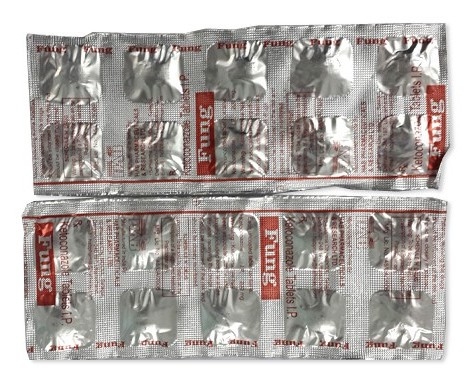
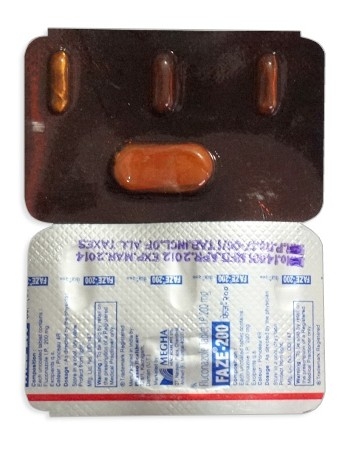
Packaging is usually blister packs for capsules and tablets, bottles for oral solution and hospital vials for IV use.
In the UK market, supply varies by wholesaler and by whether the product is branded or generic.
Search interest often focuses on itraconazole price UK, generic itraconazole and Sporanox oral solution, but exact pricing changes with pack size, formulation and prescription route.
That is why value is usually judged by what is clinically suitable rather than by pack price alone.
Alternative Options
Comparison Table
| Medicine | Main Role | Route | Key Considerations |
|---|---|---|---|
| Itraconazole | Broad systemic antifungal for nail and selected systemic infections | Oral, sometimes IV | Broad spectrum, major interactions, liver monitoring |
| Fluconazole | Common for candidiasis | Oral, IV | Often simpler, narrower interaction burden |
| Voriconazole | Specialist systemic antifungal | Oral, IV | Used in selected invasive disease |
| Posaconazole | Specialist systemic antifungal | Oral, IV | Alternative for high-risk fungal infection |
| Isavuconazole | Specialist systemic antifungal | Oral, IV | Another triazole option in invasive disease |
| Ketoconazole | Older antifungal | Oral | Less favoured because of toxicity |
| Echinocandins | Severe systemic infection | IV | Hospital-based use |
| Amphotericin B | Severe systemic infection | IV | Used for severe cases |
Decision Factors
Choice depends on spectrum of activity, route, toxicity, interaction burden and whether the infection is a nail problem or a systemic one.
Pros And Cons
Itraconazole’s strengths are its broad spectrum, established systemic role and usefulness in selected dermatophyte and endemic fungal infections.
Its weaknesses are the major drug interaction profile, absorption variability, hepatic monitoring requirement and heart failure caution.
United Kingdom Relevance
In routine practice, fluconazole may be preferred for simpler cases.
Itraconazole is chosen when spectrum or tissue targeting matters more, especially in specialist care.
Regulatory Status
Is itraconazole actually authorised, or is it just a product name people search for online?
Itraconazole is a prescription-only antifungal in the UK and internationally, consistent with Rx classification.
It has approval context through the FDA in the United States, the EMA in the European Union and national registers such as ANMDMR in Romania.
Local branding and pack types vary by country and manufacturer, so a patient may receive branded Sporanox or generic itraconazole depending on supply and formulary decisions.
Some forms are region-specific, such as Onmel in the USA.
Consolidated FAQ
Core Questions
What is itraconazole used for? It is used for fungal infections such as nail fungus, candidiasis and selected systemic mycoses.
Is itraconazole the same as Sporanox? Sporanox is a brand name for itraconazole.
How long does itraconazole take to work for nail fungus? Nail improvement is slow and may take weeks to months, even when treatment has started correctly.
Can itraconazole be taken with other medicines? Sometimes, but only after careful interaction screening because itraconazole affects many CYP3A4 substrates.
Patient-Facing Clarifications
Capsules and oral solution are not always managed the same way.
Liver monitoring may be needed, especially for longer courses.
Dosage varies by condition and formulation, so a pharmacist or prescriber should confirm the exact regimen.
Visual Guide
A clear visual layout can make itraconazole easier to understand at a glance.
Useful blocks include the medicine name and ATC code J02AC02, the main forms of capsules/tablets, oral solution and IV infusion, and the standard strengths of 50mg, 100mg, 200mg and 10mg/mL.
Brand examples such as Sporanox, Orungal and Onmel help patients recognise packaging across pharmacies.
Best Visual Assets
A brand comparison card, a dosage-by-condition chart, an interaction warning icon set, a storage and expiry checklist and a UK prescription pathway diagram all work well for this medicine.
Storage And Transport
How should itraconazole be stored at home or when travelling?
Capsules and tablets should be stored below 30°C, kept dry and left in original packaging.
Oral solution should be stored at room temperature and must not be frozen.
IV vials should be used immediately after opening and protected from light.
Keep packs out of bathrooms, away from heat and humidity, and always check expiry dates before use.
When transporting medicines, blister packs should be protected from moisture and temperature extremes.
Guidelines For Proper Use
Safe Administration
What is the safest way to take itraconazole?
Take it exactly as prescribed and do not double a missed dose.
Overdose needs supportive care and urgent medical review if symptoms occur.
Treatment Adherence
Completing the full course matters, especially for nail and systemic infections.
Visible improvement may take weeks to months, so patients should not stop early just because the nail still looks the same.
Monitoring And Follow-Up
Liver function monitoring is important for longer courses.
Interactions should be checked again whenever a new medicine is started.
Urgent escalation is needed if jaundice, breathlessness, swelling, palpitations or rash appear.
Delivery Across United Kingdom
| City | Region | Delivery time |
|---|---|---|
| London | England | 5-7 days |
| Birmingham | England | 5-7 days |
| Manchester | England | 5-7 days |
| Leeds | England | 5-7 days |
| Liverpool | England | 5-7 days |
| Newcastle upon Tyne | England | 5-7 days |
| Sheffield | England | 5-7 days |
| Bristol | England | 5-7 days |
| Edinburgh | Scotland | 5-7 days |
| Glasgow | Scotland | 5-7 days |
| Cardiff | Wales | 5-7 days |
| Belfast | Northern Ireland | 5-7 days |
| Norwich | England | 5-9 days |
| Exeter | England | 5-9 days |
| Dundee | Scotland | 5-9 days |