
Zocor
Zocor
- Zocor (simvastatin) can be obtained from pharmacies and a range of online suppliers; in some pharmacies and online vendors it may be possible to buy Zocor without a prescription, although officially simvastatin/Zocor is prescription-only in the US, the EU and most other countries.
- Zocor is used to lower cholesterol and reduce cardiovascular risk (primary hyperlipidaemia, mixed dyslipidaemia, familial hypercholesterolaemia and secondary prevention). It is an HMG‑CoA reductase inhibitor (a statin) that reduces cholesterol biosynthesis.
- Typical adult doses start at 10–20 mg once daily (usual range 10–40 mg once daily); for homozygous familial hypercholesterolaemia 40 mg once daily (some patients may be prescribed up to 80 mg in specific situations). Children (≥10 years with HeFH) are usually 10–40 mg once daily. Elderly and those with significant organ impairment require lower doses and monitoring.
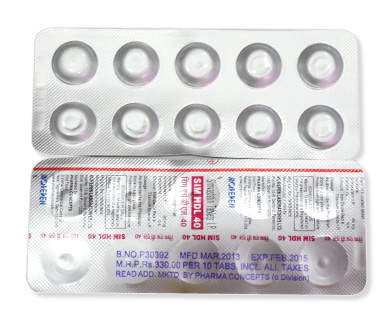
- Administered orally as film‑coated tablets (available commonly in 5, 10, 20, 40 and 80 mg strengths).
- The lipid‑lowering effect begins within 1–2 weeks and becomes more apparent by 2 weeks, with maximal LDL reduction typically achieved after about 4–6 weeks of continuous therapy.
- The pharmacological effect is maintained with once‑daily dosing (clinical cholesterol‑lowering effect is sustained with daily treatment; the drug is given once a day, usually in the evening).
- Avoid excessive alcohol consumption while taking Zocor; alcohol increases the risk of liver injury and may worsen the risk of statin‑related adverse effects—do not drink heavily and avoid alcohol if you have active liver disease.
- The most common side effect is headache (other frequent effects include gastrointestinal upset and myalgia; rare but serious effects include rhabdomyolysis and severe hepatic dysfunction).
- Would you like to try zocor without a prescription?
Zocor
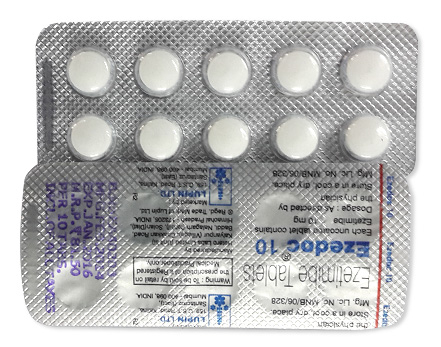
Basic Zocor Information
- INN (International Nonproprietary Name): Simvastatin
- Brand Names Available In United Kingdom: Zocor (commonly used name in the UK); generics sold under simvastatin by manufacturers such as Accord Healthcare, Sandoz, Teva, Mylan, Actavis, Egis, Sun Pharma, Aurobindo.
- ATC Code: C10AA01
- Forms & Dosages: Oral film-coated tablets in 5 mg, 10 mg, 20 mg, 40 mg and 80 mg strengths; typical pack sizes include blisters of 10, 20, 28, 30, 60 or 90 tablets.
- Manufacturers In United Kingdom: Originator Merck & Co.; generic suppliers include Accord Healthcare and others listed above.
- Registration Status In United Kingdom: Authorised and prescription-only; licensed across EU/UK markets with national MAH details on packaging.
- OTC / Rx Classification: Prescription only (Rx).
Key Findings From Recent Trials
Major 2022–2025 Studies
Clinicians still ask whether simvastatin remains relevant after newer statins arrived on the market.
High-quality randomised trials and meta-analyses from 2022–2025 continued to examine outcomes for the statin class and included simvastatin as a comparator or as standard‑of‑care in many cohorts.
These studies focused on both primary and secondary prevention populations and pooled data in class-wide analyses of LDL lowering and cardiovascular events.
Main Outcomes
Across trials, simvastatin at 20–40 mg daily produced clinically meaningful LDL reductions in the range of about 20–40%.
Secondary‑prevention cohorts showed fewer non‑fatal myocardial infarctions and strokes compared with placebo or usual care, consistent with the statin class effect.
Surrogate endpoints such as carotid intima–media thickness and inflammatory markers improved in several studies that included simvastatin arms.
When compared with higher‑intensity statins such as atorvastatin and rosuvastatin, simvastatin produced smaller absolute LDL reductions but similar patterns of event reduction relative to the decrease in LDL.
Safety Observations
Safety findings repeated familiar patterns: rates of myalgia increased with dose and in patients taking multiple interacting drugs.
Rhabdomyolysis remained rare but linked to drug interactions, particularly with potent CYP3A4 inhibitors.
Trials and meta-analyses emphasised that tolerability and drug‑interaction management are key to safe use of simvastatin.
In the UK, clinicians balance efficacy with cost‑effectiveness and the availability of generics when selecting simvastatin or an alternative statin.
Clinical Mechanism Of Action
Layman’s Explanation
People commonly ask how a small tablet can lower cholesterol and reduce heart attacks.
Simvastatin blocks a liver enzyme that helps make cholesterol so the liver takes more LDL out of the blood, lowering circulating LDL‑C and cutting cardiovascular risk.
The everyday effect is fewer plaque events over time when therapy is continued.
Scientific Breakdown
Simvastatin is an HMG‑CoA reductase inhibitor (ATC C10AA01).
It is a lactone prodrug converted in the liver to an active β‑hydroxy acid that competitively inhibits HMG‑CoA reductase.
Inhibition reduces mevalonate production and downstream cholesterol biosynthesis, which lowers hepatic cholesterol and upregulates LDL receptors.
Pharmacokinetics
Absorption occurs after oral dosing of film‑coated tablets with significant first‑pass hepatic uptake.
Metabolism is predominantly hepatic via CYP3A4; active metabolites contribute to the lipid‑lowering effect.
Elimination is by biliary and renal routes, and although plasma half‑life is short, hepatic enzyme inhibition persists beyond measurable plasma levels.
Mechanistic Implications
CYP3A4 interactions can raise systemic simvastatin exposure and therefore increase the risk of myopathy.
Active liver disease is a contraindication because further hepatotoxic stress is undesirable with HMG‑CoA reductase inhibition.
Scope Of Approved And Off-Label Use
United Kingdom Approvals
Zocor (simvastatin) is licensed in the UK for primary hyperlipidaemia and mixed dyslipidaemia, homozygous familial hypercholesterolaemia and cardiovascular risk reduction.
Typical licensed adult doses range from 10–40 mg once daily, with 40–80 mg reserved for specific severe cases under specialist supervision.
Paediatric use is licensed for heterozygous familial hypercholesterolaemia in children aged 10 years and older at 10–40 mg once daily.
Notable Off‑Label Trends
Clinicians sometimes use simvastatin as part of combination lipid‑lowering therapy when interaction risk is manageable and cost is a concern.
Combining simvastatin with fibrates or high‑dose niacin is approached cautiously because these combinations raise the risk of myopathy and rhabdomyolysis.
In severe renal impairment, guidance advises limiting simvastatin to 10 mg/day unless the clinician judges the benefits outweigh the risks.
Pregnancy and breastfeeding are absolute contraindications to simvastatin use.
Dosage Strategy
General Dosing
Patients frequently ask where to start and how fast to titrate therapy.
Begin at the lowest effective dose and reassess at intervals of at least four weeks with lipid monitoring after any dose change.
Typical adult initial doses are 10–20 mg once daily, with maintenance commonly 10–40 mg daily depending on lipid targets and tolerability.
Condition‑Specific Dosing
Cardiovascular Risk Reduction
For secondary prevention, 20–40 mg once daily is common, balancing LDL targets against tolerability and interaction risks.
Familial Hypercholesterolaemia
In homozygous familial hypercholesterolaemia, 40 mg once daily is used and doses up to 80 mg may be considered in specialist care.
For heterozygous familial hypercholesterolaemia in children aged 10 years and older, the licensed range is 10–40 mg once daily.
Special Populations
Elderly patients should use the lowest effective dose with careful monitoring for myopathy.
People with severe renal impairment should generally be limited to 10 mg/day unless a specialist indicates otherwise.
Routine use of 80 mg is discouraged because of higher myopathy risk and interaction concerns; if 80 mg is required, avoid concomitant CYP3A4 inhibitors.
Safety Protocols
Contraindications
Absolute contraindications include known hypersensitivity to simvastatin or its excipients, active liver disease, unexplained persistent transaminase elevations, pregnancy and breastfeeding.
Concomitant use with potent CYP3A4 inhibitors such as certain azole antifungals, macrolides and HIV protease inhibitors is contraindicated or requires strict avoidance.
Caution is required with a history of liver disease, heavy alcohol use and with combination lipid‑lowering therapies that increase myopathy risk.
Adverse Effects
Common mild adverse effects include headache, abdominal pain, nausea, constipation and upper respiratory tract infections.
Moderate effects include myalgia, muscular cramps and raised liver enzymes.
Rare but serious events include rhabdomyolysis and severe hepatic dysfunction.
UK monitoring protocol is baseline liver function tests before starting and periodic lipid panels and LFTs thereafter.
Check creatine kinase if a patient reports unexplained muscle pain, and advise prompt reporting of muscle pain, dark urine or jaundice.
Interaction Mapping
Food Interactions
Grapefruit juice inhibits intestinal CYP3A4 and can raise simvastatin plasma levels, increasing risk of myopathy.
Advise patients to avoid regular grapefruit consumption while taking simvastatin tablets.
Drug Combinations To Avoid
Potent CYP3A4 inhibitors such as ketoconazole, itraconazole, erythromycin, clarithromycin and some HIV protease inhibitors can markedly increase simvastatin exposure and are commonly contraindicated.
Combined use with gemfibrozil or high‑dose niacin increases the risk of myopathy and usually prompts selection of an alternative statin or close specialist review.
When a necessary interacting drug is prescribed, consider switching to pravastatin or rosuvastatin that have fewer CYP3A4 interactions, or adjust therapy per national guidance.
Pharmacies should check the shared medicines record and OTC purchases such as macrolide antibiotics or azole antifungals before dispensing.
Patient Experience Analysis
Survey Data
Primary care surveys in the UK show higher adherence when patients understand the absolute cardiovascular benefit of statin therapy.
Discontinuation is commonly driven by perceived side effects, most often muscle symptoms or gastrointestinal upset.
Real‑world data indicate many muscle complaints are mild, transient or attributable to non‑statin causes; confirmed statin myopathy is uncommon.
Forum Trends
Online forums reveal two recurring concerns: confusion about brand versus generic names (Zocor versus simvastatin) and anxiety about interactions such as grapefruit juice.
Patient education that explains monitoring, when to report symptoms and the availability of alternative statins improves persistence with therapy.
Pharmacists and practice nurses in the UK play a central role counselling on dosing times, missed‑dose handling and interaction avoidance.
Distribution And Pricing Landscape
Market And Availability
Zocor and multiple generic simvastatin products are widely available in community pharmacies and via NHS prescriptions across the UK.
Typical packaging includes film‑coated tablets in strengths of 5, 10, 20, 40 and 80 mg, commonly supplied in blisters of 28–30 tablets.
Generic competition has driven down the cost per dose, making simvastatin a cost‑effective first‑line statin on many local formularies and NHS lists.
Procurement And Supply Notes
Regional formularies and integrated care systems often list simvastatin among low‑cost options, while atorvastatin and rosuvastatin are reserved for higher‑intensity needs.
Pharmacies should check batch and marketing‑authorisation holder information on packaging when dispensing.
In our online pharmacy, zocor is available without a prescription, with discreet delivery to United Kingdom in 5-14 days.
Alternative Options
Comparison Table
When simvastatin is unsuitable because of potency requirements or interactions, alternatives include atorvastatin, rosuvastatin, pravastatin and fluvastatin.
Pros And Cons
Atorvastatin delivers more potent LDL reductions and broad dose flexibility for high‑intensity therapy, now widely available as a generic.
Rosuvastatin has a longer half‑life and less CYP3A4 metabolism, making it useful when drug interactions are a concern.
Pravastatin is less likely to interact with other medicines and can be preferred in frail, elderly or polypharmacy patients.
Fluvastatin is lower in potency and may be chosen for tolerability reasons.
Simvastatin advantages include long clinical experience, generic affordability and paediatric licence for HeFH ≥10 years, while disadvantages centre on CYP3A4 interactions and dose‑related myopathy risk.
Regulatory Status
Snapshot
Simvastatin (Zocor) is an established prescription‑only medicine approved across major markets including the UK, EU and US.
Originator approval dates back decades, and multiple generics hold national marketing authorisations with MAH details shown on packaging.
National Guidance
MHRA licensing and NICE guidance inform UK prescribing practice, including baseline LFTs and ongoing monitoring recommendations.
Contraindications noted by regulators include pregnancy, active liver disease and concomitant use with potent CYP3A4 inhibitors.
Consolidated FAQ
Common Clinician Questions
Q: When should simvastatin be chosen over other statins?
A: Choose simvastatin where cost is a priority and LDL targets are moderate, with no major interaction risks; select atorvastatin or rosuvastatin when higher potency or fewer CYP3A4 interactions are needed.
Q: Is routine CK monitoring required?
A: Routine creatine kinase monitoring is not required; measure CK if unexplained muscle symptoms occur.
Common Patient Questions
Q: Can I take Zocor in pregnancy?
A: No. Pregnancy and breastfeeding are absolute contraindications to simvastatin use.
Q: What if I miss a dose?
A: Take the missed dose when remembered unless it is close to the time for the next dose; do not double up.
Q: Can I drink grapefruit juice?
A: Avoid regular grapefruit consumption because it can increase simvastatin levels and raise the risk of muscle side effects.
Visual Guide
Suggested Graphics
Infographic ideas support patient understanding and clinic leaflets.
- How Simvastatin Works — flowchart from tablet to liver activation to HMG‑CoA reductase inhibition to LDL lowering.
- Dose Range And Pack Sizes — visual of 5, 10, 20, 40, 80 mg tablets and typical blister packs.
- When To Seek Help — icons for muscle pain, dark urine, jaundice and severe abdominal pain.
- Pharmacy Checklist — interactions (grapefruit, macrolides, azoles), baseline LFTs and lipid checks.
Storage And Transport
Pharmacy Guidance
Store simvastatin below 25°C in the original container, protected from moisture and light.
Keep out of reach of children and avoid storage locations with heat or humidity such as bathrooms.
Transport And Patient Counselling
Transport under standard ambient conditions avoiding excessive heat or direct sunlight; cold chain is not required.
Advise patients to keep tablets in the blister until use and to dispose of expired products according to NHS guidance.
Guidelines For Proper Use
Clinician Checklist
- Confirm indication and baseline lipid profile.
- Obtain baseline liver function tests prior to starting.
- Review concomitant medicines for CYP3A4 inhibitors and interacting lipid‑lowering drugs.
- Start at the lowest effective dose and plan lipid recheck at least four weeks after dose changes.
- Advise on pregnancy avoidance and contraception for women of childbearing potential.
- Consider alternate statins if interactions or intolerance occur.
Patient Counselling Points
Take simvastatin once daily, preferably in the evening for maximal effect with shorter‑acting statins.
If a dose is missed, take it unless it is close to the next scheduled dose; do not double up.
Avoid grapefruit juice and report muscle pain, dark urine or yellowing of the skin promptly.
Document the informed discussion of absolute cardiovascular risk reduction, side‑effect profile and the rationale for the chosen statin in the patient record.
Delivery Across United Kingdom
| City | Region | Delivery Time |
|---|---|---|
| London | Greater London | 5-7 days |
| Birmingham | West Midlands | 5-7 days |
| Manchester | Greater Manchester | 5-7 days |
| Glasgow | Scotland | 5-7 days |
| Liverpool | North West | 5-7 days |
| Leeds | West Yorkshire | 5-7 days |
| Edinburgh | Scotland | 5-7 days |
| Sheffield | South Yorkshire | 5-9 days |
| Bristol | South West | 5-9 days |
| Cardiff | Wales | 5-9 days |
| Belfast | Northern Ireland | 5-9 days |
| Newcastle Upon Tyne | North East | 5-9 days |
| Nottingham | East Midlands | 5-9 days |