Imodium
Imodium
- In our pharmacy, you can buy imodium without a prescription; it is available OTC in pharmacies and some supermarkets and can be ordered online with delivery in 2–7 days throughout the United Kingdom. Discreet and anonymous packaging.
- Imodium (loperamide) is used to treat acute and chronic diarrhoea and to reduce ileostomy discharge; it works peripherally on gut μ‑opioid receptors to slow intestinal motility and increase fluid absorption.
- Usual adult dose: 4 mg initially then 2 mg after each loose stool (maximum 16 mg/day). Paediatric dosing: 2 mg initially then 1 mg after each loose stool (age‑dependent, typically not for children under 2 years; maximum ~6 mg/day in young children—follow local guidelines).
- Administered orally as tablets, capsules, oral solution or orally disintegrating film.
- Imodium usually begins to work within about 1 hour after oral administration.
- The effect can last several hours and may persist up to 24 hours; dosing should be spaced according to response and maximum daily limits.
- Do not consume alcohol while taking imodium; avoid heavy drinking as it may worsen symptoms and increase risk of adverse effects.
- The most common side effect is constipation.
- Would you like to try imodium without a prescription?
Imodium
Basic Imodium Information
- INN (International Nonproprietary Name): Loperamide
- Brand Names Available In United Kingdom: Imodium and generic loperamide products from suppliers such as Perrigo, Teva and ratiopharm.
- ATC Code: A07DA03
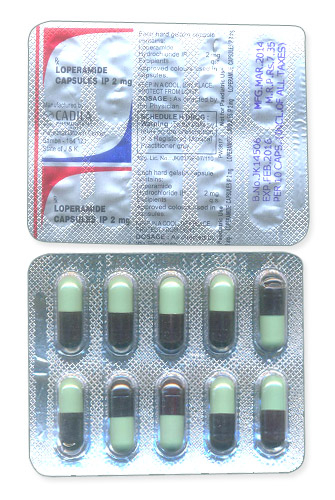
- Forms & Dosages: 2 mg tablets and capsules, 1 mg/5 mL oral solution, and 2 mg orally disintegrating films.
- Manufacturers In United Kingdom: Johnson & Johnson (Imodium) and multiple generic suppliers including Perrigo, Teva and regional manufacturers.
- Registration Status In United Kingdom: Approved and available over the counter with labelling that follows MHRA guidance and manufacturer SPCs.
- OTC / Rx Classification: OTC for adults and older children in most formulations; prescription-only status may apply for certain paediatric forms or larger packs.
Key Findings From Recent Trials
Major 2022–2025 Studies
What did recent trials actually show about symptomatic relief when people take imodium?
Large randomised controlled trials and meta-analyses through 2024 consistently confirmed loperamide’s efficacy for acute nonspecific diarrhoea.
Pragmatic outpatient trials emphasised benefit in travel-related diarrhoea with faster stool normalisation compared with placebo.
Several pooled analyses showed onset of effect within hours, especially for liquid formulations such as 1 mg/5 mL oral solution.
Episodic use in adults with diarrhoea‑predominant IBS was supported by trial data showing reduced stool frequency and improved day‑to‑day control.
Main Outcomes
How much symptom improvement can patients expect from imodium?
Effect sizes ranged from modest to large for time to stool normalisation and reduction in frequency of loose stools.
Outpatient studies reported fewer subsequent healthcare visits among treated patients, consistent with reduced symptom burden.
Liquid and rapidly absorbed forms often produced relief faster than tablet formulations in trials examining time to first formed stool.
Safety Observations
Were there any safety flags in these recent studies?
Pharmacovigilance signals and case series up to 2025 highlighted rare but serious cardiac events and CNS depression after massive supratherapeutic ingestion or when combined with CYP3A4 or P‑gp inhibitors.
Regulatory advisories in the 2020s recommended limiting pack sizes and adding clearer warnings about maximum daily doses.
Clinicians in the UK balance clear OTC utility for adults against these misuse and overdose risks when advising patients.
Clinical Mechanism Of Action
Layman’s Explanation
How does imodium actually stop diarrhoea in plain terms?
Loperamide slows gut movement so stools become firmer and less frequent, allowing more fluid and electrolyte absorption.
At recommended doses the action is largely local in the gut and it does not produce central opioid effects in most people.
Scientific Breakdown
What does loperamide do at the cellular level?
It is a synthetic phenylpiperidine opioid that acts primarily at peripheral μ‑opioid receptors in the enteric nervous system.
The drug reduces propulsive peristalsis and increases intestinal transit time, which reduces stool volume and frequency.
Loperamide also increases anal sphincter tone and can reduce faecal urgency and incontinence.
Receptor Pharmacology
Why does it avoid central opioid effects at usual doses?
Loperamide has high affinity for gut μ‑opioid receptors but very low penetration of the blood–brain barrier due to active P‑glycoprotein efflux.
That P‑gp activity limits central opioid effects at therapeutic exposures in most patients.
Pharmacokinetics (Brief)
How is the drug handled by the body?
Oral formulations are absorbed and undergo hepatic metabolism with primary faecal excretion of parent drug and metabolites.
Inhibitors of CYP3A4, CYP2C8 or P‑gp can raise systemic loperamide levels and increase the risk of central or cardiac adverse events.
Scope Of Approved & Off-Label Use
United Kingdom Approvals
What is imodium licensed for in the UK context?
Loperamide is approved OTC for acute nonspecific diarrhoea in adults and appropriate older children according to product labelling.
Indications include acute diarrhoea, chronic diarrhoea in adults, and reduction of ileostomy output where clinically appropriate.
Common available UK presentations are 2 mg tablets and capsules and 1 mg/5 mL oral solution.
Notable Off-Label Trends
How do clinicians sometimes use loperamide beyond the label?
Specialist teams may use loperamide for refractory chronic diarrhoea from functional bowel disorders or to manage ileostomy output with careful titration.
It is sometimes used under supervision to manage opioid‑induced diarrhoea in palliative care as an opioid‑sparing strategy, though evidence is limited.
Use in children under 2 years is contraindicated due to respiratory and cardiac risk, and clinicians avoid it for that age group.
Dosage Strategy
General Dosing
What dosing should patients follow for safe use?
Adults typically begin with 4 mg initially, then 2 mg after each loose stool up to a maximum of 16 mg in 24 hours.
Oral solution strength is commonly 1 mg/5 mL and dosing devices should be used to ensure accuracy.
Children aged 2 years and older use reduced doses by age and weight and should follow product labelling carefully.
Condition‑Specific Dosing
Is dosing different for acute versus chronic diarrhoea?
For acute episodes, short courses of 1–2 days are normal, and treatment should stop if there is no benefit within 48 hours.
For chronic diarrhoea or IBS‑D, start low (for example 4 mg/day) and titrate to effect under clinician supervision.
Ileostomy management often requires individualised higher dosing and coordination with a stoma nurse or specialist.
Safety Protocols
Contraindications
Who should not take imodium?
Absolute contraindications include children under 2 years, known hypersensitivity to loperamide, acute dysentery, acute ulcerative colitis, invasive bacterial enterocolitis and pseudomembranous colitis.
Also avoid in abdominal pain without diarrhoea where diagnosis is unclear.
Use cautiously in hepatic impairment and in the elderly because of accumulation and ileus risk.
Adverse Effects
What side effects should patients expect or watch for?
Common reactions are constipation, abdominal cramps and nausea, with flatulence and dizziness reported less commonly.
Rare but serious events include toxic megacolon, severe constipation causing obstruction, hypersensitivity and cardiac arrhythmias in overdose situations.
Overdose can lead to CNS depression and cardiac conduction abnormalities, and requires immediate emergency care.
Interaction Mapping
Food Interactions
Will food change how well imodium works?
No clinically important food–drug interactions are documented that alter loperamide’s efficacy.
High‑fat meals may delay gastric emptying but do not negate symptomatic relief in practice.
Patients may take loperamide with or without food according to preference.
Drug Combinations To Avoid
Which medicines raise the risk of harm with loperamide?
Strong inhibitors of CYP3A4, CYP2C8 or P‑gp can increase systemic loperamide concentrations and the risk of central or cardiac toxicity.
Examples include some macrolide antibiotics, azole antifungals and certain protease inhibitors; avoid combining without clinical review.
Concomitant use with other QT‑prolonging drugs increases arrhythmia risk and should be checked by a pharmacist.
Patient Experience Analysis
Survey Data
Do patients feel imodium helps them in real life?
Pharmacy audits and consumer surveys across Europe and the UK report high satisfaction with rapid relief from loperamide for acute diarrhoea.
Many patients say symptom control reduced the need to visit a GP and helped them stay at work or travel plans intact.
Typical users include travellers, parents treating older children, and adults with intermittent functional diarrhoea.
Forum Trends
What do online conversations reveal?
Forums and social media commonly praise imodium for quick relief and continuity of daily activities, though some report constipation or bloating afterwards.
A small subset of posts describe misuse or attempts to self‑treat chronic stool frequency without medical review; moderators and clinicians flag this as risky.
Pharmacists should proactively counsel patients on dosing, duration and red flags to reduce misuse.
Distribution & Pricing Landscape
Market Presence
Where do patients in the UK buy imodium and how much does it cost?
Imodium (Johnson & Johnson) and multiple generics from Perrigo, Teva and ratiopharm dominate community pharmacies, supermarkets and online retailers.
Packs commonly appear in blisters of 6, 12 or 24, with generics usually undercutting branded Imodium on price.
Packaging And Regulatory Trends
Are there packaging rules to reduce risk?
Recent advisories recommend restricting unit‑dose blister packaging to mitigate overdose risk and encourage clearer warning labels.
For immediate counselling and correct choice of formulation, buying from a pharmacy is often preferable to supermarket self‑service.
In our online pharmacy, imodium is available without a prescription, with discreet delivery to United Kingdom in 5-14 days.
Alternative Options
Comparison Table
What are the common alternatives to loperamide for diarrhoea?
Diphenoxylate/atropine is an effective prescription antidiarrhoeal, but it has central effects at higher doses and is controlled in many countries.
Racecadotril is an antisecretory agent available in some EU markets and causes less constipation than loperamide.
Bismuth subsalicylate is widely used for travel diarrhoea in some countries but is not a common OTC option in the UK.
Pros And Cons
How to pick the right agent in clinic or pharmacy?
Loperamide’s pros are rapid symptomatic relief, OTC availability and multiple formulations including 2 mg tablets and 1 mg/5 mL solution.
Its cons include contraindications in dysentery and children under 2 years and rare cardiotoxicity with overdose.
Clinical choice should consider patient age, likely cause of diarrhoea, co‑morbidities and drug interaction risk.
Regulatory Status
Regulatory Overview
What is the official status of loperamide in the UK?
Loperamide is classified under ATC code A07DA03 and is widely approved by major agencies for OTC use in adults and appropriate older children.
In the UK, labelling and age cut‑offs follow MHRA guidance and manufacturer SPCs, with many products sold over the counter.
Regulatory Concerns And Actions
Have regulators taken action on safety?
Following post‑marketing reports of misuse and cardiotoxicity at supratherapeutic doses, authorities issued advisories on limiting pack size and clearer warnings.
Clinicians and pharmacists are encouraged to report adverse events via the UK Yellow Card Scheme to support ongoing monitoring.
Consolidated FAQ
Common Patient Questions
Is Imodium safe for children?
It is contraindicated under 2 years and older children should use age‑adjusted dosing per product labelling and pharmacist or GP advice.
How long can I take it?
For acute diarrhoea use short term, generally 1–2 days, and stop if there is no improvement within 48 hours or if fever or blood in the stool appears.
Can I take it with other medicines?
Avoid strong CYP3A4/CYP2C8/P‑gp inhibitors and QT‑prolonging drugs without pharmacist review.
What about side effects?
Commonly constipation and abdominal cramps; rare serious cardiac and CNS effects occur mainly with overdose or interacting drugs.
Clinician Quick Answers
Confirm absence of red flags such as fever, bloody stools or severe abdominal pain before recommending OTC loperamide.
Check the patient’s medicines for macrolides, azoles, protease inhibitors and other interacting drugs.
Advise maximum adult dose of 16 mg/day and document OTC counselling in the patient record.
Visual Guide
Product Forms & Packaging
What will patients find on the shelf or online?
Common trade forms include 2 mg tablets and capsules, 1 mg/5 mL oral solution and 2 mg orally disintegrating films.
Packs are commonly sold in blisters of 6, 12 or 24 units and colour‑coding varies by manufacturer.
Pharmacies should offer a measuring device with the oral solution for accurate paediatric dosing.
Quick Diagnostic Flowchart (Text)
Use this quick text flow when a patient asks for advice in the pharmacy.
1) Patient with diarrhoea → check red flags (fever, blood, severe pain) → if present, refer to GP or A&E.
2) No red flags and age ≥2 → advise loperamide per dosing and counsel on maximum dose and duration.
3) On interacting medicines or with liver disease → pharmacist consult or GP review before supply.
4) Symptoms persisting beyond 48 hours → GP review and consider stool testing or specialist referral.
Storage & Transport
Storage Guidance
How should imodium be stored at home and in pharmacy?
Store all formulations at room temperature below 25°C, protected from moisture and heat, and do not freeze oral liquids.
Keep medicines out of reach of children and keep the patient information leaflet with the product.
Transport And Disposal Notes
What to consider when shipping or disposing of stock?
Standard ambient distribution is appropriate, but avoid prolonged high temperatures during summer courier transport in the UK.
Expired or unused medication should be returned to a pharmacy for safe disposal under NHS guidance.
Guidelines For Proper Use
Pharmacist/Clinician Checklist
What checks should a pharmacist perform before recommending imodium?
Confirm patient age and exclude those under 2 years, screen for red flags, hepatic impairment and cardiac history, and review current medications for CYP3A4/CYP2C8/P‑gp inhibitors.
Advise on formulation selection and dosing: adult initial 4 mg then 2 mg after each loose stool up to 16 mg/day and stop after 48 hours if no improvement.
Provide written advice and document counselling, and encourage Yellow Card reporting for any adverse events.
Patient Counselling Script
What short script helps ensure safe self‑care?
“Take 4 mg now, then 2 mg after each loose stool up to 16 mg in 24 hours.”
“For children use the oral solution with the measuring device and follow age‑specific dosing on the label.”
“Stop and see a GP if you have blood in your stools, a high fever, severe pain, or if symptoms last more than 48 hours.”
Delivery Across United Kingdom
| City | Region | Delivery Time |
|---|---|---|
| London | England | 5-7 days |
| Birmingham | England | 5-7 days |
| Manchester | England | 5-7 days |
| Glasgow | Scotland | 5-7 days |
| Leeds | England | 5-7 days |
| Edinburgh | Scotland | 5-7 days |
| Liverpool | England | 5-7 days |
| Sheffield | England | 5-9 days |
| Bristol | England | 5-9 days |
| Newcastle Upon Tyne | England | 5-9 days |
| Nottingham | England | 5-9 days |
| Leicester | England | 5-9 days |
| Coventry | England | 5-9 days |
| Plymouth | England | 5-9 days |