
Rabeprazole
Rabeprazole
- Rabeprazole can be obtained from community and online pharmacies; while it is classified as prescription-only in most countries (including the UK, EU and US), in some pharmacies and online vendors it is possible to buy rabeprazole without a prescription—availability varies by country, so check local regulations.
- Rabeprazole is used to treat acid-related conditions such as gastro‑oesophageal reflux disease (GORD/GERD), duodenal and gastric ulcers, H. pylori eradication (as part of combination therapy) and Zollinger–Ellison syndrome. It is a proton pump inhibitor prodrug that irreversibly inhibits the gastric H+/K+ ATPase in parietal cells, reducing gastric acid secretion.
- Usual adult dosing is 20 mg once daily for GERD and most ulcers; for H. pylori eradication 20 mg twice daily with antibiotics for 7–14 days; for Zollinger–Ellison syndrome starting doses may be much higher (eg 60 mg/day) and are individually titrated.
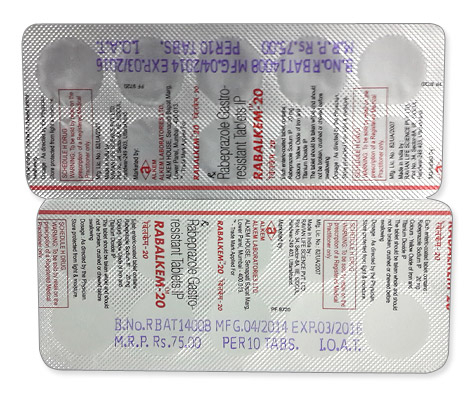
- Administered orally as enteric‑coated tablets (commonly 10 mg and 20 mg); granule/suspension formulations exist in some markets for paediatric use and co‑packaged kits are used for H. pylori therapy.
- Acid suppression begins relatively quickly compared with some PPIs—acid reduction can start within about 1 hour and some patients notice symptom improvement within 1–3 days.
- The pharmacological effect typically lasts around 24 hours per dose, which is why once‑daily dosing is common; full maximal acid suppression may develop over several days of dosing.
- Avoid excessive alcohol while taking rabeprazole as alcohol can worsen reflux and ulcer symptoms; moderate alcohol intake does not have a direct major interaction with rabeprazole but caution is advised, especially in patients with liver disease.
- The most common side effect is diarrhoea (other common adverse effects include headache, abdominal pain, nausea and constipation; rare but serious reactions include hepatic dysfunction and severe skin reactions).
- Would you like to try “rabeprazole” without a prescription?
Rabeprazole

Basic Rabeprazole Information
- INN (International Nonproprietary Name): Rabeprazole.
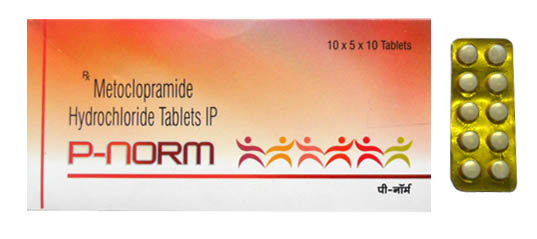
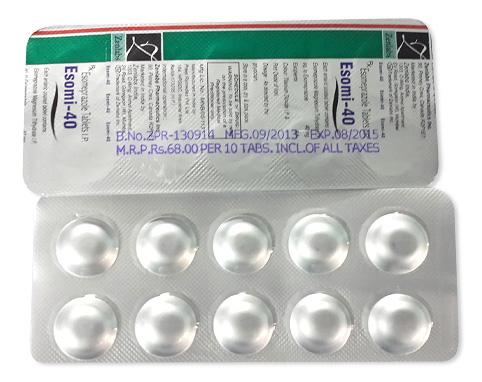
- Brand Names Available In United Kingdom: Pariet and Rabecid are listed for EU/UK markets; packaging commonly 10 mg and 20 mg tablets or blister strips.
- ATC Code: A02BC04 for rabeprazole monotherapy and A02BD12/13 for H. pylori combination therapies.
- Forms & Dosages: Enteric‑coated tablets 10 mg and 20 mg are the most common forms available.
- Manufacturers In United Kingdom: Not specified in the source data; global manufacturers include Eisai, Janssen, Dr. Reddy’s, Sun Pharma, Sandoz, Torrent, Hikma and Mylan.
- Registration Status In United Kingdom: Rabeprazole is authorised in EU/UK markets and marketed under brands such as Pariet; it is prescription‑only in nearly all jurisdictions.
- OTC / Rx Classification: Prescription only (Rx) in the United Kingdom and most regulatory regions due to proton pump inhibitor class safety considerations.
Key Findings From Recent Trials
Major 2022–2025 Studies
Which trials matter when you choose a PPI for fast relief?
Several high‑quality randomised controlled trials and pooled analyses between 2022 and 2025 focused on time to symptom relief, H. pylori eradication adjuncts and long‑term safety outcomes.
Head‑to‑head studies compared rabeprazole with other proton pump inhibitors and emphasised early symptom control.
Trials often enrolled patients with GORD, peptic ulcer disease and H. pylori infection receiving triple therapy.
Meta‑analyses pooled healing and eradication endpoints to assess non‑inferiority versus omeprazole and esomeprazole.
Main Outcomes
What did clinicians find most useful?
Rabeprazole showed faster initial acid suppression and earlier heartburn relief in several cohorts, supporting its niche for rapid symptomatic control.
Healing rates for ulcers and gastro‑oesophageal reflux disease were non‑inferior to omeprazole and esomeprazole in pooled analyses.
When used at 20 mg twice daily with antibiotics for 7–14 days, rabeprazole delivered equivalent H. pylori triple therapy eradication rates in reported studies.
These findings support selecting rabeprazole where faster onset or specific interaction profiles are clinically relevant.
Safety Observations
What safety signals were seen in trials and real‑world data?
Real‑world safety studies reiterated class risks: hypomagnesaemia, a fracture signal with multi‑year use, and increased Clostridioides difficile risk in older, long‑term users.
Pharmacovigilance reports through 2025 continued to report rare but serious reactions such as hepatic dysfunction and Stevens‑Johnson syndrome.
Regulatory surveillance emphasised minimising chronic unnecessary PPI exposure and routine reassessment of long‑term prescriptions.
For UK prescribers, the trial evidence favours rabeprazole where rapid symptom relief or lower CYP interaction matters but also prompts active deprescribing for long‑term cases.
Clinical Mechanism Of Action
Layman’s Explanation
How does rabeprazole bring relief?
Rabeprazole is a proton pump inhibitor that reduces stomach acid by switching off the acid‑producing pumps in the stomach lining.
It is a prodrug that activates inside parietal cell canaliculi, which helps produce quicker symptom relief for many patients.
Scientific Breakdown
What’s happening at the molecular level?
Rabeprazole (ATC A02BC04) is absorbed and converted to an active sulphenamide that covalently binds the H+/K+‑ATPase enzyme.
This irreversible inhibition reduces acid secretion until new pumps are synthesised by the parietal cells.
Enteric‑coated 10 mg and 20 mg tablets protect rabeprazole from gastric degradation and aid delivery to the small intestine for absorption.
Pharmacokinetics Basics
When and how should it be taken?
Tablets are enteric‑coated to prevent gastric degradation and the 10 mg and 20 mg strengths are the standard formulations.
Bioavailability is influenced by food timing but less markedly than some other PPIs, allowing flexible dosing in many patients.
Pharmacodynamics Nuances
How fast will acid suppression occur?
Onset of acid suppression can occur within hours, which supports once‑daily 20 mg dosing for GORD and twice‑daily 20 mg dosing in H. pylori eradication regimens.
Repeated daily dosing maintains pronounced acid suppression because the pump inhibition is effectively irreversible until new pumps are made.
Interaction Profile
Does rabeprazole clash with many medicines?
Rabeprazole has a relatively low CYP interaction burden compared with omeprazole, reducing interaction risk in polypharmacy.
That lower interaction profile is one reason clinicians may favour rabeprazole for patients on multiple drugs.
Scope Of Approved And Off‑Label Use
United Kingdom Approvals
What is rabeprazole licensed for in the UK?
Approved indications align with EMA labelling and include gastro‑oesophageal reflux disease, peptic ulcer healing and Zollinger‑Ellison syndrome with individualised dosing.
Standard dosing for GORD is 20 mg once daily for 4–8 weeks, and for H. pylori eradication rabeprazole 20 mg twice daily is used with antibiotics for 7–14 days.
Rabeprazole is prescription‑only in the United Kingdom.
Notable Off‑Label Trends
Where do prescribers sometimes use rabeprazole beyond the licence?
Short‑term use for functional dyspepsia, nocturnal acid breakthrough and limited paediatric, weight‑based dosing patterns occur in practice, though safety in under‑12s is not established.
UK gastroenterology guidance increasingly discourages indefinite PPI use without reassessment and supports deprescribing initiatives for low‑risk indications.
In complex cases with polypharmacy or hepatic impairment, clinicians may choose rabeprazole because of its faster onset and lower interaction potential.
Dosage Strategy
General Dosing
What doses are commonly used in adults?
Enteric‑coated tablets are available in 10 mg and 20 mg strengths, with most GORD and acid‑related conditions treated with 20 mg once daily for 4–8 weeks.
Advice on timing is to take once daily before breakfast for consistency unless local guidance specifies otherwise.
Condition‑Specific Dosing
How does the dose change by condition?
GORD: 20 mg once daily, repeat courses if symptoms recur.
Duodenal ulcer: 20 mg once daily for about 4 weeks.
Gastric ulcer: up to 6 weeks as clinically indicated.
Zollinger‑Ellison: often starts around 60 mg daily and is titrated to effect with divided dosing.
H. pylori eradication: 20 mg twice daily plus two antibiotics for 7–14 days.
Elderly patients usually do not require routine dose adjustment but need monitoring for sensitivity and long‑term risks.
Severe hepatic impairment may require dose reduction due to increased exposure.
Safety Protocols
Contraindications
Who should not take rabeprazole?
Absolute contraindications include known hypersensitivity to rabeprazole or substituted benzimidazoles and concomitant use where reduced gastric acidity critically affects absorption of an essential drug.
Use with caution in severe hepatic impairment, during pregnancy and breastfeeding unless benefits outweigh risks, and in patients at high fracture or infection risk.
Adverse Effects
What side effects should be expected and monitored for?
Common adverse effects are usually mild and include diarrhoea, constipation, abdominal pain, nausea, flatulence, headache and dizziness.
Other reported effects include rash, dry mouth and pharyngitis.
Rare but serious events recorded in pharmacovigilance include Stevens‑Johnson syndrome, hepatic dysfunction and blood dyscrasias.
Long‑term users should be monitored for hypomagnesaemia, vitamin B12 deficiency and recurrent C. difficile infection.
For UK practice, perform baseline risk assessment before long‑term prescribing and review duration at 4–8 weeks for GORD following deprescribing guidance.
Interaction Mapping
Food Interactions
Do meals change how rabeprazole works?
Enteric‑coated tablets are usually taken before meals to standardise absorption, though rabeprazole is less meal‑sensitive than many PPIs.
Food can modestly affect onset but typically does not prevent effective acid suppression.
Drug Combinations To Avoid
Which medicines need care when given with rabeprazole?
Reduced gastric acidity can impair absorption of certain antiretrovirals and antifungals such as itraconazole and ketoconazole, so avoid co‑administration when absorption is critical.
Clopidogrel interaction is less pronounced than with omeprazole, but clinician judgement is required in high‑risk patients.
Coordinate timing with antibiotics used for H. pylori eradication, particularly clarithromycin and amoxicillin, following local antimicrobial stewardship and resistance patterns.
UK prescribers should use electronic medicines optimisation tools and product SPCs to screen interactions in polypharmacy.
Patient Experience Analysis
Survey Data
What do patients say about starting rabeprazole?
Patient‑reported outcomes up to 2025 show rapid symptom relief, improved sleep and early return to normal activities commonly after starting rabeprazole.
Many patients report noticeable benefit within days, which aligns with the drug’s quicker onset of acid suppression.
Adherence is high for once‑daily regimens, but concerns about long‑term safety reduce willingness to continue indefinite therapy.
Forum Trends
What common concerns appear in online patient forums?
Rebound acid hypersecretion after stopping therapy is a frequent reason patients restart treatment and ask for a tapering plan.
Side‑effect reports mirror clinical data: gastrointestinal upset, headaches and occasional rash.
Some patients are confused about OTC availability; in the UK rabeprazole remains prescription‑only, though other PPIs are available OTC.
Clinicians should document shared decision‑making, provide deprescribing support and clear written instructions aligned with NICE and local medicines optimisation guidance.
Distribution And Pricing Landscape
How widely is rabeprazole available and what affects price?
Rabeprazole is manufactured by originator and generic companies including Eisai, Janssen, Dr. Reddy’s, Sun Pharma, Sandoz, Torrent, Hikma and Mylan.
Brand names include Pariet and AcipHex, with packaging typically foil blister cards of 10 mg and 20 mg tablets.
In the UK, both Pariet and generics are available; generics usually offer lower cost and are preferred for NHS cost containment.
Co‑packaged H. pylori kits exist in some countries but are less common in UK formularies where antibiotics are prescribed separately to match local resistance guidance.
Storage below 25°C and blister packaging protect stability during distribution.
Watch MHRA and supplier alerts for regional shortages that may affect local pricing and availability.
Alternative Options
Comparison Summary
How does rabeprazole stack up against other PPIs?
Rabeprazole offers faster onset of acid suppression and a relatively lower CYP interaction burden than omeprazole.
Omeprazole has a long safety record and low cost but higher potential for CYP‑mediated interactions.
Esomeprazole may offer potency advantages in some contexts but is often costlier.
Pantoprazole has a reputation for lower interaction potential in some systems.
All PPIs share long‑term class risks such as hypomagnesaemia, fracture risk and increased infection susceptibility.
Pros And Cons
Which drug should a clinician choose?
Choose rabeprazole when rapid symptom relief or a lower interaction profile is clinically important, and choose generics for routine cost‑effective prescribing in UK formularies.
Decisions should consider comorbidities, concomitant medications, local formulary rules and antimicrobial stewardship for H. pylori treatment.
Regulatory Status
Who has approved rabeprazole and what warnings apply?
Rabeprazole is authorised by major regulators including the US FDA (AcipHex), EMA across EU/UK member states and Japan PMDA as Pariet.
It is prescription‑only in nearly all jurisdictions due to class safety considerations.
ATC classification is A02BC04 for monotherapy and A02BD12/13 for H. pylori combinations where available.
Regulatory pharmacovigilance emphasises minimising unnecessary chronic PPI use and includes labelling about hypomagnesaemia, B12 deficiency potential, GI infection risk and fractures with long‑term therapy.
UK prescribers should align with current SPC, NICE guidance and local trust policies when prescribing rabeprazole.
Consolidated FAQ
Common questions patients and prescribers ask about rabeprazole.
Q: Is rabeprazole available OTC in the UK?
A: No — rabeprazole (Pariet/AcipHex) is prescription‑only in the United Kingdom according to available registration data.
Q: What is the typical dose for GORD?
A: 20 mg once daily for 4–8 weeks is the standard adult dose for healing reflux oesophagitis and symptomatic GORD.
Q: Can it be used for H. pylori?
A: Yes — as 20 mg twice daily combined with two antibiotics for 7–14 days as part of triple therapy in H. pylori eradication regimens.
Q: What are the long‑term safety concerns?
A: Class concerns include hypomagnesaemia, vitamin B12 deficiency, increased risk of C. difficile infection and a possible increased fracture risk with prolonged use.
Q: Are dose adjustments needed?
A: No routine renal adjustment is required; dose reduction may be necessary in severe hepatic impairment and use in children is limited and typically specialist‑led.
Q: How should rabeprazole be stored?
A: Store below 25°C in a dry place protected from moisture and light.
Visual Guide
What should clinical and patient visuals include?
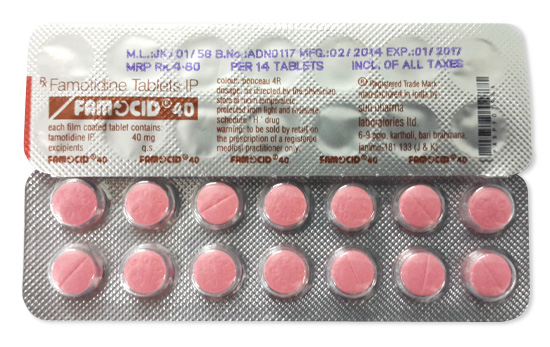
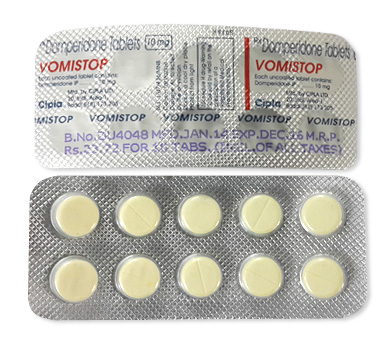
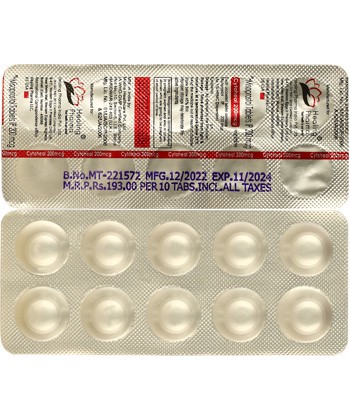
Show tablet types: 10 mg and 20 mg enteric‑coated tablets in blister cards to help patients identify packaging.
Include dosing timelines: GORD 4–8 weeks and H. pylori 7–14 days with antibiotics.
Use a simple mechanism infographic: prodrug → activation in parietal cell → H+/K+‑ATPase inhibition.
Provide a monitoring checklist with baseline magnesium, B12 and fracture risk assessment for chronic users.
Patient leaflets should list common side effects, missed‑dose advice (take when remembered unless near next dose) and overdose guidance (supportive care; minimal dialysis removal).
For UK leaflets, reference NICE and MHRA guidance where logos are permitted and include QR codes linking to SPC or MHRA updates.
Storage And Transport
How should pharmacies and patients store rabeprazole?
Store tablets and blister packs below 25°C and protect from humidity and direct light.
Blister foil packaging helps ensure stability during distribution and retail storage.
Manufacturers supplying rabeprazole globally include Eisai, Janssen, Dr. Reddy’s, Sun Pharma, Sandoz, Torrent, Hikma and Mylan.
Pharmacies should monitor MHRA supply notices and rotate stock according to expiry dates.
Advise patients to store medicines in a dry, cool place away from bathrooms and direct sunlight.
Guidelines For Proper Use
How should clinicians prescribe and stop rabeprazole?
Prescribe rabeprazole for licensed indications at recommended doses: GORD 20 mg daily for 4–8 weeks, H. pylori 20 mg twice daily with antibiotics for 7–14 days, and individualised dosing for Zollinger‑Ellison syndrome.
Deprescribing: review the need for continuation at defined intervals, step down to the lowest effective dose where possible and consider short‑term H2 blocker bridging or slow taper to reduce rebound acid on cessation.
Monitor baseline fracture risk, magnesium and B12 in chronic users and check hepatic function in severe impairment.
Provide safety counselling on common side effects and clear instructions on when to seek urgent help for severe rash or jaundice.
Prefer generics for cost‑effectiveness unless a specific brand is clinically indicated and document shared decision‑making with the patient.
Access And Ordering
How do patients in the UK obtain rabeprazole?
Rabeprazole is prescription‑only in the United Kingdom, and prescribers should follow local NHS and NICE guidance when issuing prescriptions.
In our online pharmacy, rabeprazole is available without a prescription, with discreet delivery to United Kingdom in 5‑14 days.
Patients should be counselled about the need for diagnostic review if symptoms persist or recur despite treatment.
Delivery Across United Kingdom
| City | Region | Delivery Time |
|---|---|---|
| London | England | 5–7 days |
| Birmingham | England | 5–7 days |
| Manchester | England | 5–7 days |
| Glasgow | Scotland | 5–7 days |
| Liverpool | England | 5–7 days |
| Leeds | England | 5–7 days |
| Sheffield | England | 5–7 days |
| Edinburgh | Scotland | 5–7 days |
| Bristol | England | 5–7 days |
| Nottingham | England | 5–7 days |
| Cardiff | Wales | 5–7 days |
| Belfast | Northern Ireland | 5–7 days |
| Newcastle Upon Tyne | England | 5–9 days |
| Leicester | England | 5–9 days |
| Southampton | England | 5–9 days |
Final Notes For Clinicians And Patients
Rabeprazole is a useful proton pump inhibitor when rapid onset and a low interaction profile are priorities.
Standard adult doses, storage below 25°C and common adverse effects are well described in product data and clinical guidance.
Monitor long‑term users for magnesium and B12 deficiency, infection risk and bone health and follow deprescribing algorithms where appropriate.
When prescribing for H. pylori, follow local antibiotic resistance patterns and antimicrobial stewardship while using rabeprazole 20 mg twice daily as the PPI component.
For patients, provide clear written instructions, a plan for review after 4–8 weeks for GORD and guidance on how to manage missed doses.
Where cost is a concern, generics are commonly preferred within UK formularies, while Pariet remains an available branded option.