
Losec
Losec
- In our pharmacy you can buy losec without a prescription (OTC 20 mg short-course packs) and we deliver across the United Kingdom in 5–14 days; higher doses (10 mg, 20 mg for chronic use, 40 mg) or larger packs may require a prescription—discreet and anonymous packaging available.
- Losec (omeprazole) is used to treat acid-related conditions such as heartburn/GERD, erosive oesophagitis, peptic/duodenal ulcers, H. pylori eradication (with antibiotics) and hypersecretory states; it is a proton pump inhibitor that blocks the H+/K+ ATPase in gastric parietal cells to reduce stomach acid production.
- Usual dosages: OTC heartburn — 20 mg once daily for 14 days (max one course every 4 months); erosive oesophagitis/ulcer — 20–40 mg once daily for 4–8 weeks; H. pylori eradication — 20 mg twice daily with antibiotics for 10–14 days; Zollinger–Ellison — start around 60 mg daily and titrate; paediatric dosing is weight- and age-based.
- Forms of administration include delayed‑release tablets or capsules (10 mg, 20 mg, 40 mg), oral suspension/powder packets (paediatric strengths), dispersible formulations and a limited IV formulation (40 mg vial) for hospital use.
- Onset time: suppression of acid secretion begins within about 1 hour and many patients notice symptom relief within 1–3 days, though some benefit may take longer.
- Duration of action: a single dose provides substantial acid suppression for about 24 hours; clinical healing and symptom control depend on the regimen (e.g. 14 days for OTC heartburn, 4–8 weeks for ulcer healing, longer for maintenance).
- Alcohol warning: avoid excessive alcohol while taking losec as alcohol can worsen reflux and gastric irritation; there is no specific acute interaction but alcohol may reduce symptom control and aggravate underlying conditions—drink in moderation and avoid during active ulceration.
- The most common side effect is headache; other frequent mild effects include stomach pain, nausea, diarrhoea, constipation, flatulence and dizziness.
- Would you like to try losec without a prescription?
Losec

Key Findings From Recent Trials
Basic Losec Information
- INN (International Nonproprietary Name): Omeprazole.
- Brand Names Available In United Kingdom: Losec; generics including Omeprazole Sandoz and Mylan Omeprazole.
- ATC Code: A02BC01 (Proton Pump Inhibitors for acid-related disorders).
- Forms & Dosages: Delayed-release capsule/tablet 10mg, 20mg, 40mg; oral suspension powder packets (2.5mg, 10mg per packet); dispersible/dry powder 10mg/20mg/40mg; IV formulation limited to 40mg per vial.
- Manufacturers In United Kingdom: Multinational suppliers active in UK markets include AstraZeneca, Sandoz, Teva, Mylan, Hikma and other generic manufacturers.
- Registration Status In United Kingdom: Omeprazole (Losec and generics) is authorised and marketed in the UK; 20mg short-course packs are available OTC while other strengths and larger packs are prescription-only depending on product labelling.
- OTC / Rx Classification: 20mg low-count short-course packs are OTC for short-term heartburn relief; other strengths (10mg, 20mg, 40mg) and larger prescription regimens remain Rx.
Worried about whether omeprazole still works better than placebo for reflux and oesophagitis?
Large randomised controlled trials and pooled meta-analyses from 2022–2025 confirm that omeprazole gives rapid symptom relief versus placebo for short-term GORD/heartburn.
Those trials also show consistent healing of erosive oesophagitis with daily 20–40mg dosing within 4–8 weeks.
Head-to-head studies with other PPIs report broadly comparable mucosal healing rates.
Network meta-analyses sometimes show marginally longer acid suppression with esomeprazole but do not consistently translate into better clinical outcomes.
Primary endpoints in OTC studies focus on symptom resolution at 14 days while prescription trials use mucosal healing at 4–8 weeks.
H. pylori eradication regimens combining omeprazole 20mg twice daily with standard antibiotics continue to deliver eradication rates above 80% in many regional studies.
Recent safety-focused cohort studies note small absolute risk associations with chronic PPI use, including hypomagnesaemia, modest fracture risk and observational links to AKI/CKD, although causality is debated.
Regulatory bodies continue to recommend using PPIs for indicated periods and to monitor patients on long-term therapy.
Clinical Mechanism Of Action
How does omeprazole actually reduce heartburn?
Omeprazole is a proton pump inhibitor (ATC A02BC01) that lowers stomach acid by blocking the H+/K+ ATPase enzyme, commonly called the proton pump, in parietal cells.
Less acid in the stomach eases heartburn and allows ulcers and oesophageal erosions to heal.
Scientifically, omeprazole is a prodrug activated in the acidic secretory canaliculi of parietal cells and then forms a covalent disulphide bond with the proton pump.
This covalent binding causes prolonged suppression of acid secretion that outlasts the short plasma half-life of the molecule.
Acid control builds up over several days and is dose- and formulation-dependent.
Typical UK formulations are delayed-release capsules/tablets of 10mg, 20mg and 40mg; an IV 40mg vial exists for limited hospital use.
Delayed‑release coatings protect omeprazole from gastric degradation so it reaches the small intestine before absorption.
Hepatic metabolism via CYP2C19 and CYP3A4 affects clearance, so patients with significant liver impairment should use lower doses, commonly recommended to a maximum of 10–20mg daily.
Scope Of Approved And Off-Label Use
Can I use losec for the range of stomach problems I read about online?
In the UK, omeprazole is marketed as Losec and multiple generics and is authorised for GORD/oesophagitis, peptic ulcer disease, H. pylori combination therapy, Zollinger–Ellison syndrome and for short-term OTC symptomatic relief.
OTC 20mg short-course packs are labelled for a maximum 14-day course with advice to limit one course every four months for self-care.
Off-label uses seen in practice and research include visceral hypersensitivity and functional dyspepsia trials, plus selective long-term prophylaxis for NSAID-associated ulcers in high-risk patients.
Across UK primary care there are active deprescribing initiatives to reduce inappropriate long-term PPI continuation when indications are unclear or absent.
Clinicians balance standard authorised regimens — typically 4–8 weeks for ulcer or erosive disease — with audits and step-down strategies for maintenance prescriptions.
When considering off-label use, the prescriber should document rationale and monitor outcomes according to national guidance.
Dosage Strategy
What dose of omeprazole should I take for heartburn or an ulcer?
For uncomplicated heartburn the usual adult OTC dose is 20mg once daily for a 14-day short course.
For erosive oesophagitis or peptic ulcer disease prescriptions commonly use 20–40mg once daily for 4–8 weeks.
Available formulations in UK practice include delayed‑release capsule/tablet strengths of 10mg, 20mg and 40mg, dispersible packets and limited IV 40mg vials.
For H. pylori eradication the regimen is omeprazole 20mg twice daily combined with appropriate antibiotics for 10–14 days.
Hypersecretory conditions such as Zollinger–Ellison syndrome start at higher doses (often 60mg daily) and are titrated; maintenance doses vary widely between 20–120mg/day and are individualised.
Paediatric dosing is weight-based, for example around 10mg daily for children 10–20kg and 20mg for those over 20kg, with formulations adjusted accordingly.
Hepatic impairment calls for dose reduction to a maximum of 10–20mg/day; routine renal adjustment is not required.
Safety Protocols
What should make a pharmacist hesitate before recommending long-term PPI therapy?
Absolute contraindications include known hypersensitivity to omeprazole or other substituted benzimidazoles and concomitant use with drugs such as nelfinavir due to serious interaction risks.
Relative concerns include severe hepatic impairment where lower doses are advised, a history of Clostridium difficile infection, osteoporosis risk and patients prone to hypomagnesaemia.
Common adverse effects are generally mild and self-limiting and include headache, abdominal pain, nausea, diarrhoea or constipation, flatulence and dizziness.
For patients on prolonged therapy clinicians should monitor serum magnesium, assess bone health risk factors, and review renal function periodically because observational data link long-term PPI use to AKI and chronic kidney disease.
Follow MHRA and BNF guidance on dosing and monitoring in hepatic impairment, and review long-term indications regularly to reduce unnecessary exposure.
Interaction Mapping
Could my regular medicines change how well losec works or increase risk?
Take delayed‑release omeprazole tablets or capsules before breakfast for more predictable acid suppression because food can delay absorption and reduce efficacy for immediate‑release acid‑labile forms.
There are important drug interactions mediated by CYP2C19 and CYP3A4.
Omeprazole can reduce activation of clopidogrel, so weigh the cardiovascular risk and consider alternative antiplatelet strategies or PPIs with less CYP2C19 effect when clinically necessary.
Nelfinavir is contraindicated with omeprazole because of serious interactions.
Other medicines requiring caution or monitoring include warfarin, certain antiretrovirals, some statins, azole antifungals and methotrexate; check an up‑to‑date interaction tool for complex cases.
In UK pharmacy and primary care workflows review the full medication list including OTCs and advise patients about timing with antiplatelet therapy and when to seek prescriber input for polypharmacy.
Patient Experience Analysis
Will losec stop my heartburn quickly and is it easy to stop afterwards?
UK and European patient surveys report high satisfaction with short‑term OTC omeprazole 20mg courses, with many people achieving rapid relief within days and completing a 14‑day course as directed.
Primary‑care audits commonly find patients remaining on long‑term prescriptions beyond guideline-recommended durations, which can lead to concerns when stopping.
Online forums frequently describe effective symptom control but recurring themes are rebound acid hypersecretion after stopping long‑term therapy and difficulty deprescribing.
Patients share practical tapering tips, short trials of H2 blockers and lifestyle measures such as weight management, reducing alcohol and smoking cessation to reduce recurrence.
Clinicians should use shared decision‑making, explain the expected OTC course length, warn about possible rebound symptoms, and provide a clear step‑down or follow‑up plan aligned to NICE and local guidance.
Distribution And Pricing Landscape
Where can I buy losec and how much should I expect to pay?
Losec and generic omeprazole are widely available in UK pharmacies and online in blister packs and bottles across strengths of 10mg, 20mg and 40mg.
OTC 20mg short-course packs (14 tablets) are commonly sold over the counter and online; prescription formulations cover chronic and higher‑dose needs.
Major suppliers who supply UK markets include AstraZeneca historically for branded Losec/Prilosec and generics from Sandoz, Teva, Mylan and Hikma, alongside other manufacturers.
Generic competition keeps prices low for NHS formularies and community retail; individual OTC retail pricing varies by retailer and brand packaging.
In our online pharmacy, losec is available without a prescription, with discreet delivery to United Kingdom in 5-14 days.
For NHS prescribing, cost‑effective generic omeprazole is standard practice and many clinical commissioning groups direct clinicians to preferred generic suppliers.
Alternative Options
Is there a better PPI than omeprazole for my symptoms?
Alternative PPIs available in the UK include esomeprazole (Nexium), pantoprazole, lansoprazole and rabeprazole.
All PPIs reduce gastric acid; differences are mainly pharmacokinetic and formulary driven rather than huge clinical differences in healing rates for most indications.
Esomeprazole, the S‑enantiomer of omeprazole, may give marginally longer acid suppression in some analyses but this does not always mean better patient outcomes and it usually costs more.
Omeprazole advantages are an extensive evidence base, multiple formulations and low cost due to generic availability.
Choose a PPI based on the clinical indication, prior patient response, potential drug interactions (for example the clopidogrel interaction), cost and local formulary preference.
For simple OTC heartburn, omeprazole 20mg short course remains an appropriate community pharmacy option.
Regulatory Status
Are there special UK rules about buying and using losec?
Omeprazole is approved across the EU and UK under brand names such as Losec and as many generics for acid‑related disorders.
In the UK, the regulatory approach permits 20mg short‑course packs to be sold OTC for self‑care while chronic or higher‑dose regimens are prescription only.
Pack labelling and SmPCs follow national regulations and local MHRA/BNF guidance should be consulted for up‑to‑date prescribing and monitoring advice.
OTC labelling for 20mg packs specifies a 14‑day maximum course and recommends one course every four months for self‑treatment.
Prescribers must adhere to BNF and local guidance when initiating or continuing long‑term therapy and ensure monitoring is in place where indicated.
Consolidated FAQ
Can I buy Losec OTC in the UK?
Yes. 20mg short‑course packs (14 tablets) are widely available OTC in UK pharmacies; chronic or higher‑dose regimens require a prescription.
How long should I take omeprazole?
For OTC heartburn take 20mg once daily for 14 days and do not repeat more frequently than the pack recommends (one course every four months for self‑care).
For erosive disease or peptic ulcer the typical prescription course is 4–8 weeks and maintenance therapy may extend to 12 months depending on the indication.
Is long‑term use safe?
Short‑term use is well tolerated. Long‑term therapy should be regularly reviewed, with monitoring for magnesium levels, bone health risk factors and renal function, and dose reduction for hepatic impairment as recommended.
What about children?
Paediatric dosing is weight‑based; examples include around 10mg once daily for children 10–20kg and 20mg for those over 20kg, using appropriate paediatric formulations.
Visual Guide
What images help patients understand how losec works and how to use it?
Useful visuals include an anatomical diagram showing gastric acid secretion and the proton pump target, and a dosing chart that contrasts the OTC 14‑day course with prescription 4–8 week healing regimens.
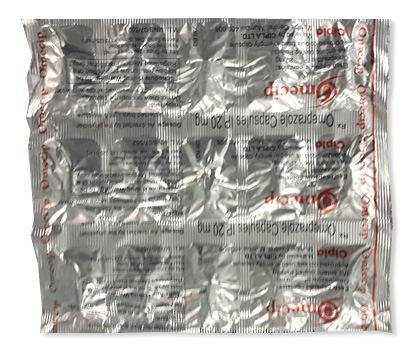
Packaging images of Losec and common generics (10/20/40mg) help patients identify licensed UK products.
A simple H. pylori triple therapy flowchart clarifies the PPI plus antibiotic regimen and duration.
Infographic elements to consider: a timeline for onset of symptom relief over days, mucosal healing over weeks, and a tapering schedule for deprescribing.
A drug interaction heatmap highlighting contraindicated interactions such as nelfinavir, and monitored combinations like clopidogrel and warfarin, is valuable for pharmacists and prescribers.
Ensure captions reference SmPC or MHRA sources, include alt text, and use images of UK‑licensed packaging when showing product photos.
Storage And Transport
How should I store or ship losec so it stays effective?
Store omeprazole at normal room temperature, ideally between 20–25°C, and keep it protected from moisture and strong light.
Do not refrigerate oral suspensions and avoid opening delayed‑release capsules unless the product leaflet instructs you to do so.
Blister packs and bottles are standard in the UK supply chain; maintain dry conditions during transport to protect the delayed‑release coatings.
IV vials (40mg) are hospital‑sourced and manufacturers’ handling instructions should be followed if cold‑chain or special storage is required.
Advise patients to keep the medicine in its original packaging, store away from bathroom humidity and out of reach of children.
For dispersible powders or suspensions, instruct patients to prepare immediately before use and follow leaflet storage directions for any remaining preparation.
Guidelines For Proper Use
How should pharmacists and GPs manage dispensing and deprescribing of PPIs like losec?
In community pharmacy for OTC 20mg packs, confirm symptoms fit uncomplicated heartburn, advise a 14‑day single course and document the advice provided.
Refer patients with recurrent, severe or alarm symptoms for GP review and consider endoscopy per NICE and British Society guidance where indicated.
For long‑term prescriptions review indications at least annually and attempt step‑down strategies where safe, such as reducing to the lowest effective dose, intermittent therapy or switching to H2 blockers for symptomatic control.
Address lifestyle factors that contribute to GORD: weight reduction, alcohol moderation, smoking cessation and dietary changes.
Pre‑prescribing safety checks include confirming no hypersensitivity, reviewing hepatic function (reduce dose where needed), checking for drug interactions like nelfinavir contraindication, and advising patients to report adverse effects promptly.
Provide patient information leaflets that reflect UK SmPC and MHRA guidance and include a clear plan for stopping or reviewing therapy.
Delivery Across United Kingdom
| City | Region | Delivery Time |
|---|---|---|
| London | England | 5-7 days |
| Birmingham | England | 5-7 days |
| Manchester | England | 5-7 days |
| Glasgow | Scotland | 5-7 days |
| Leeds | England | 5-7 days |
| Edinburgh | Scotland | 5-7 days |
| Liverpool | England | 5-7 days |
| Bristol | England | 5-9 days |
| Sheffield | England | 5-9 days |
| Newcastle Upon Tyne | England | 5-9 days |
| Nottingham | England | 5-9 days |
| Leicester | England | 5-9 days |
| Belfast | Northern Ireland | 5-9 days |
| Southampton | England | 5-9 days |